·6/2/2026
from
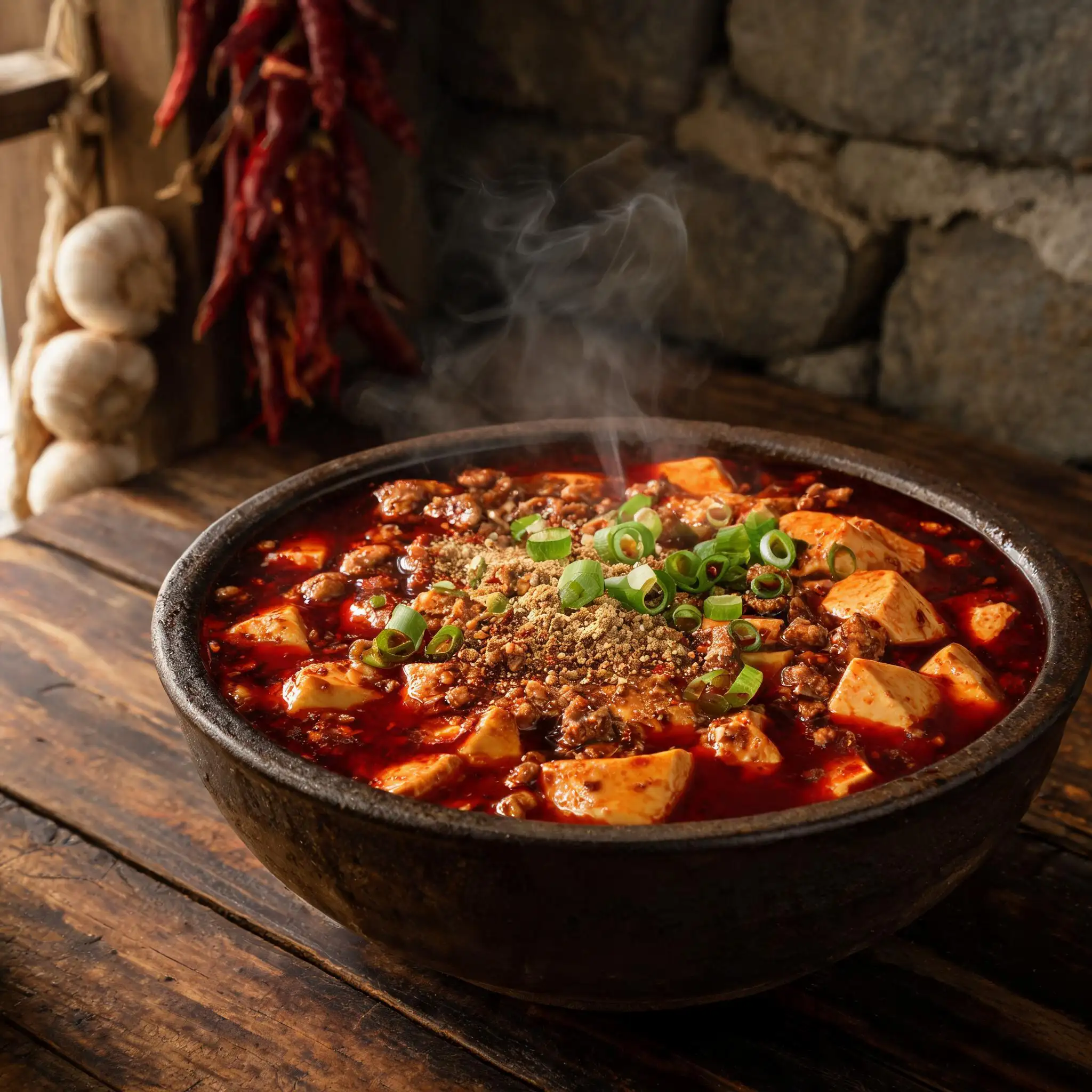
Mapo Tofu
**Mapo Tofu** *(麻婆豆腐)*
---
**Ingredients**
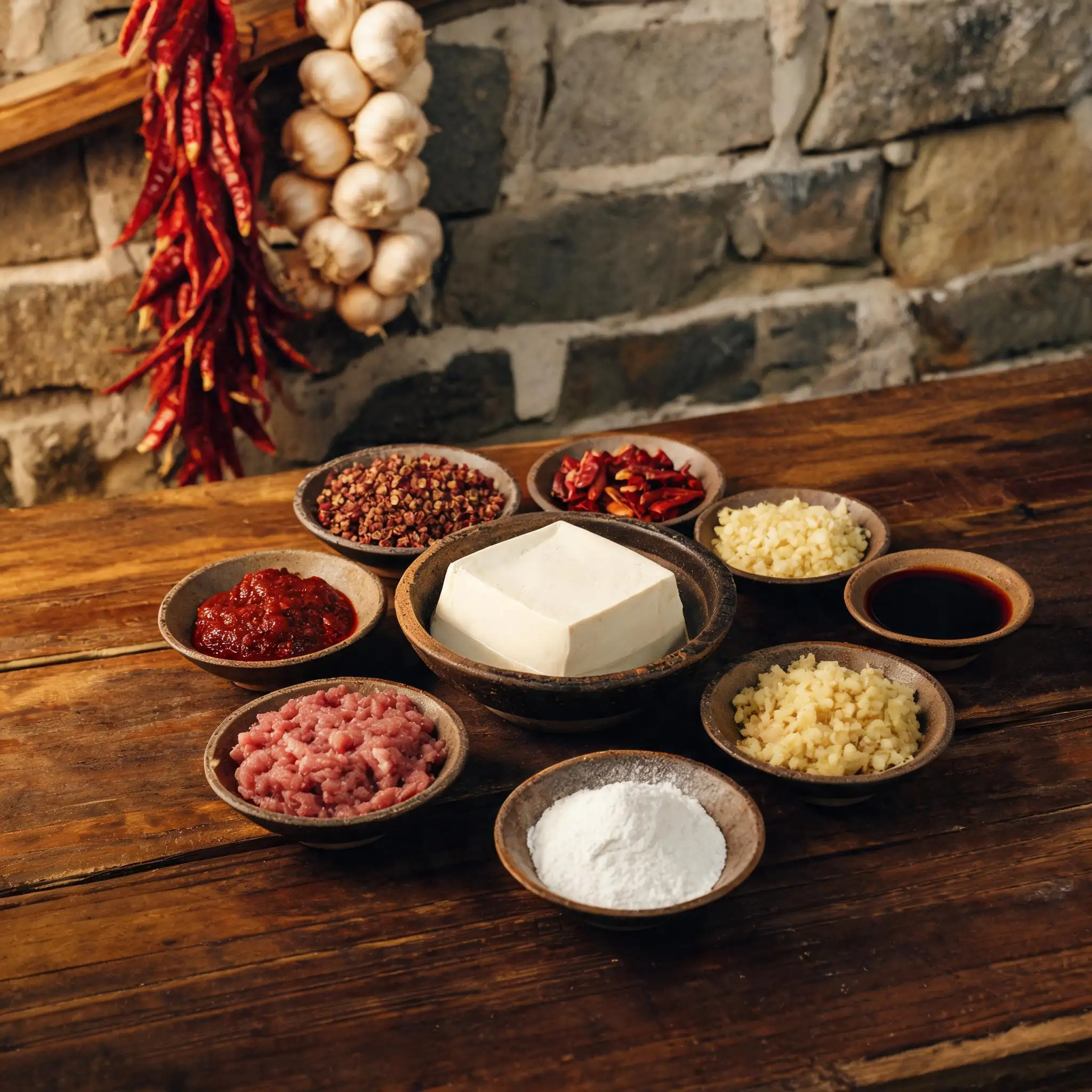
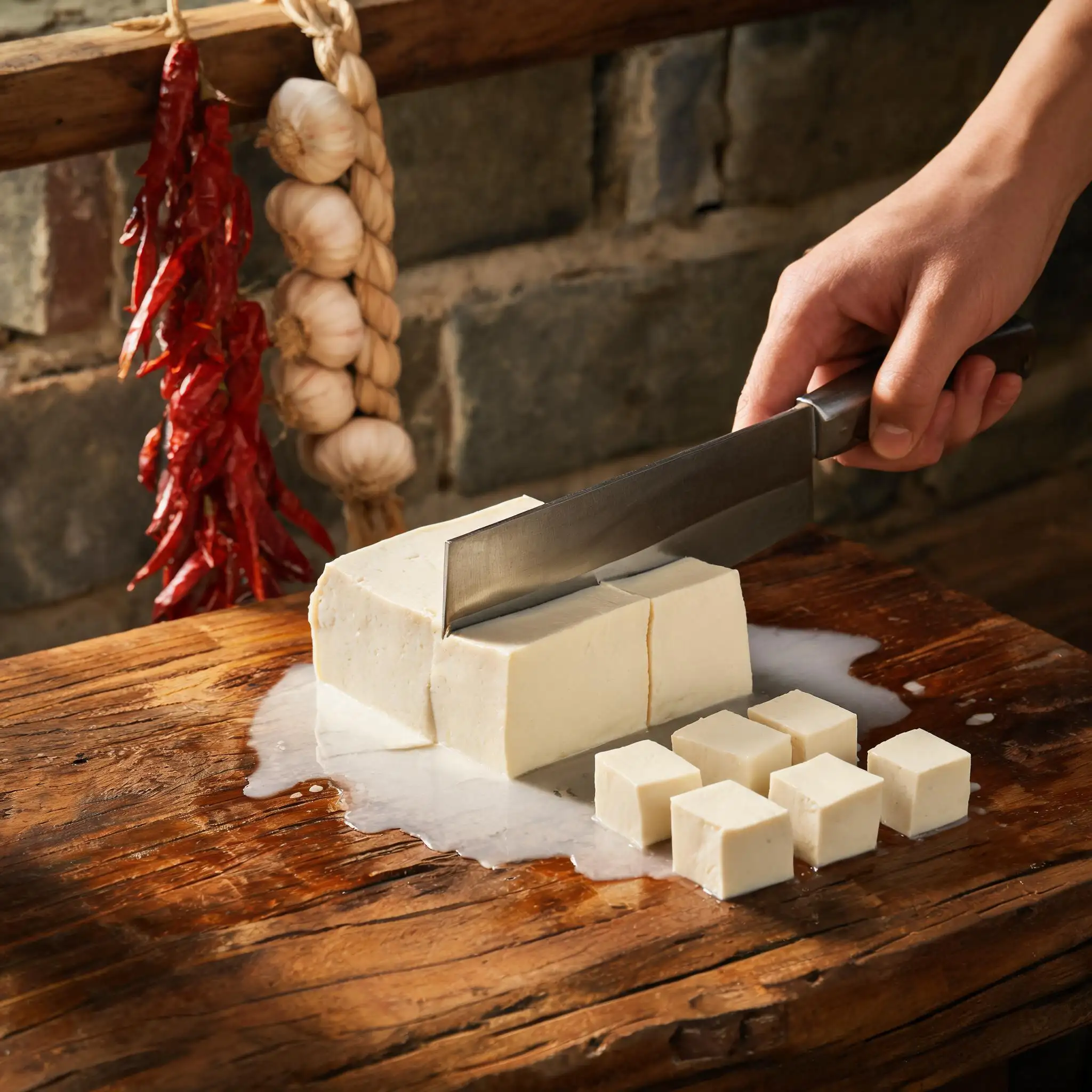
silky soft tofu — one block, cut into 2cm cubes, white and smooth
ground beef — about 100g, loose and raw
doubanjiang chili bean paste — two heaped tablespoons, finely chopped before going in
Sichuan peppercorns — a small pinch, toasted dry in the wok until fragrant, then ground
dried red chilies — a few, cut into short segments
garlic — three cloves, minced fine
ginger — one small piece, minced fine
starch — two tablespoons dissolved in cold water, for thickening
For the sauce bowl:
soy sauce — a small drizzle; dark soy sauce — a few drops for color; neutral cooking oil — enough to coat the wok
---
**How it's made**
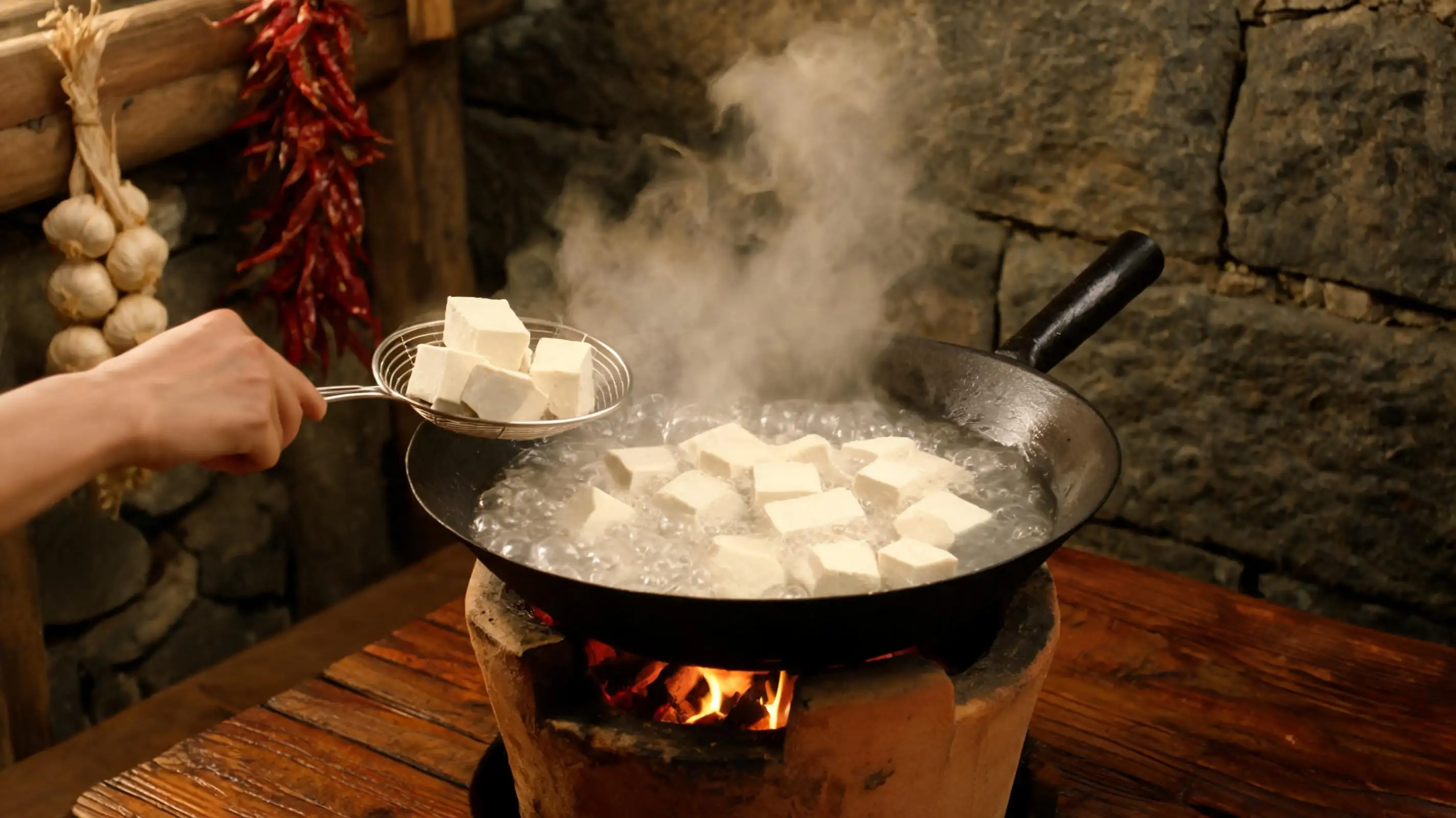
The tofu goes into salted boiling water first, just a minute or two, nothing more. This is the step most people skip at home, and you can tell when they do. The tofu firms up just enough to hold its shape later when the sauce gets going. It comes out white, slightly tightened, and without that raw bean smell that lingers if you go straight to the wok.
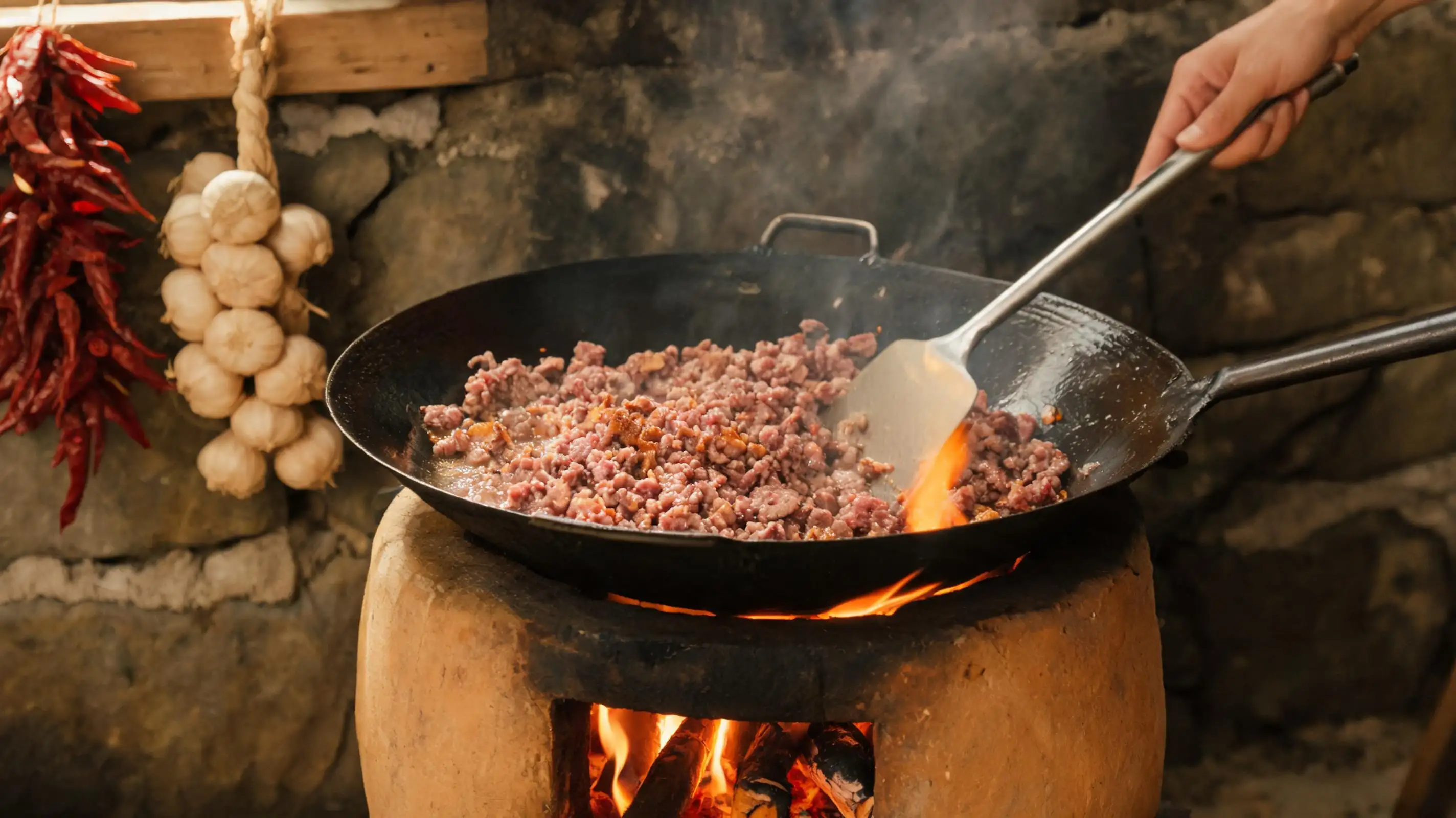
While the tofu sits draining, ground beef goes into the wok in a splash of hot oil. High heat, no stirring for the first thirty seconds — you want the bottom to brown and crisp before you break it apart. Press and scatter it around the wok until the pieces are small and slightly caramelized at the edges. The fat renders out and the meat smells nutty and a little charred. Set it aside.
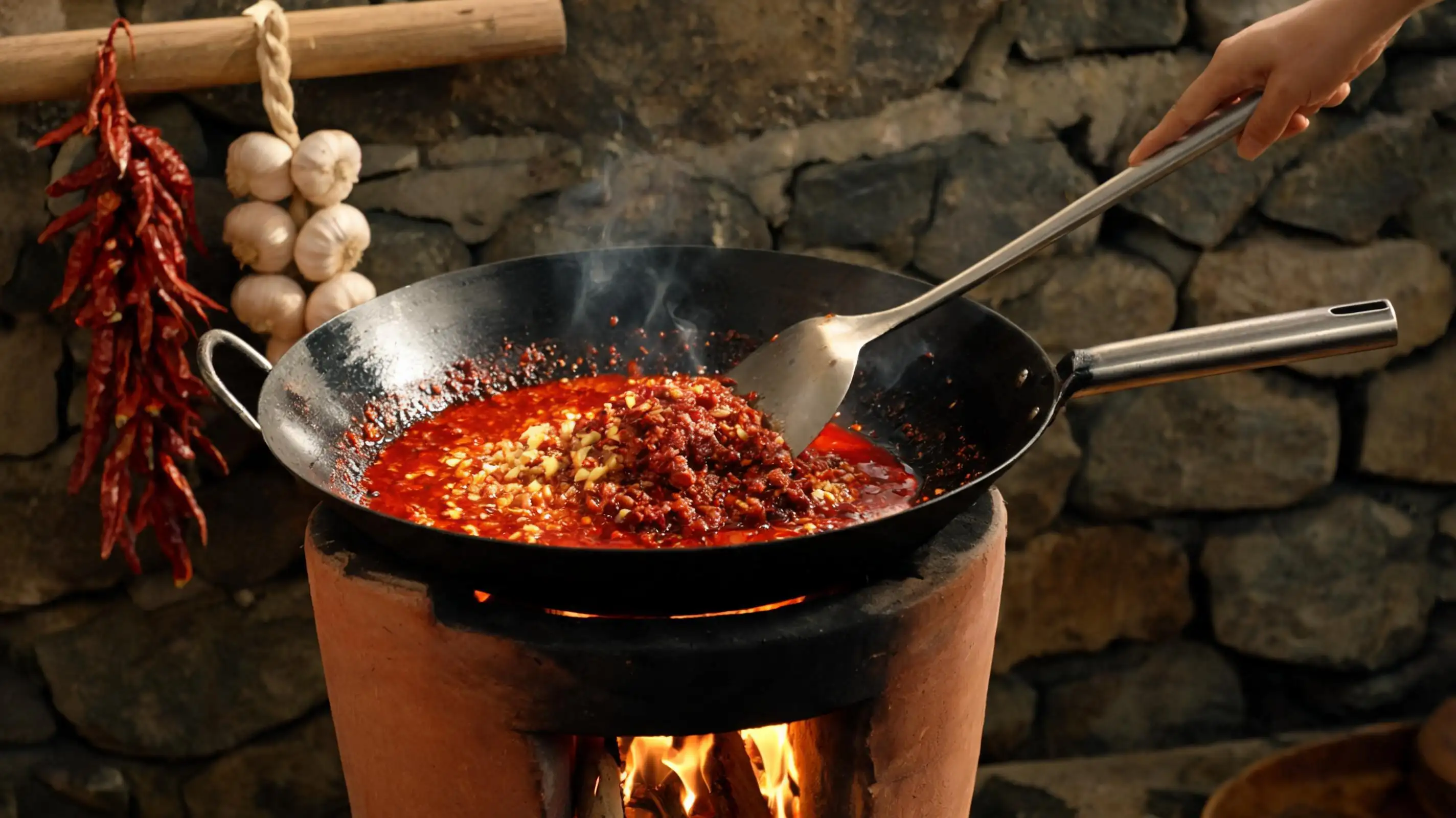
More oil into the same wok, hot but not smoking. The doubanjiang goes in directly — two heaped tablespoons of finely chopped paste hitting the oil and sizzling on contact. Work it constantly with the spatula, pressing and spreading it across the wok surface. After a minute the oil turns deep red, the paste darkens and smells deeply savory, and the kitchen fills with something that's hard to describe without just calling it that specific smell. Garlic and ginger go in next, stirred through for half a minute until they just start to catch.
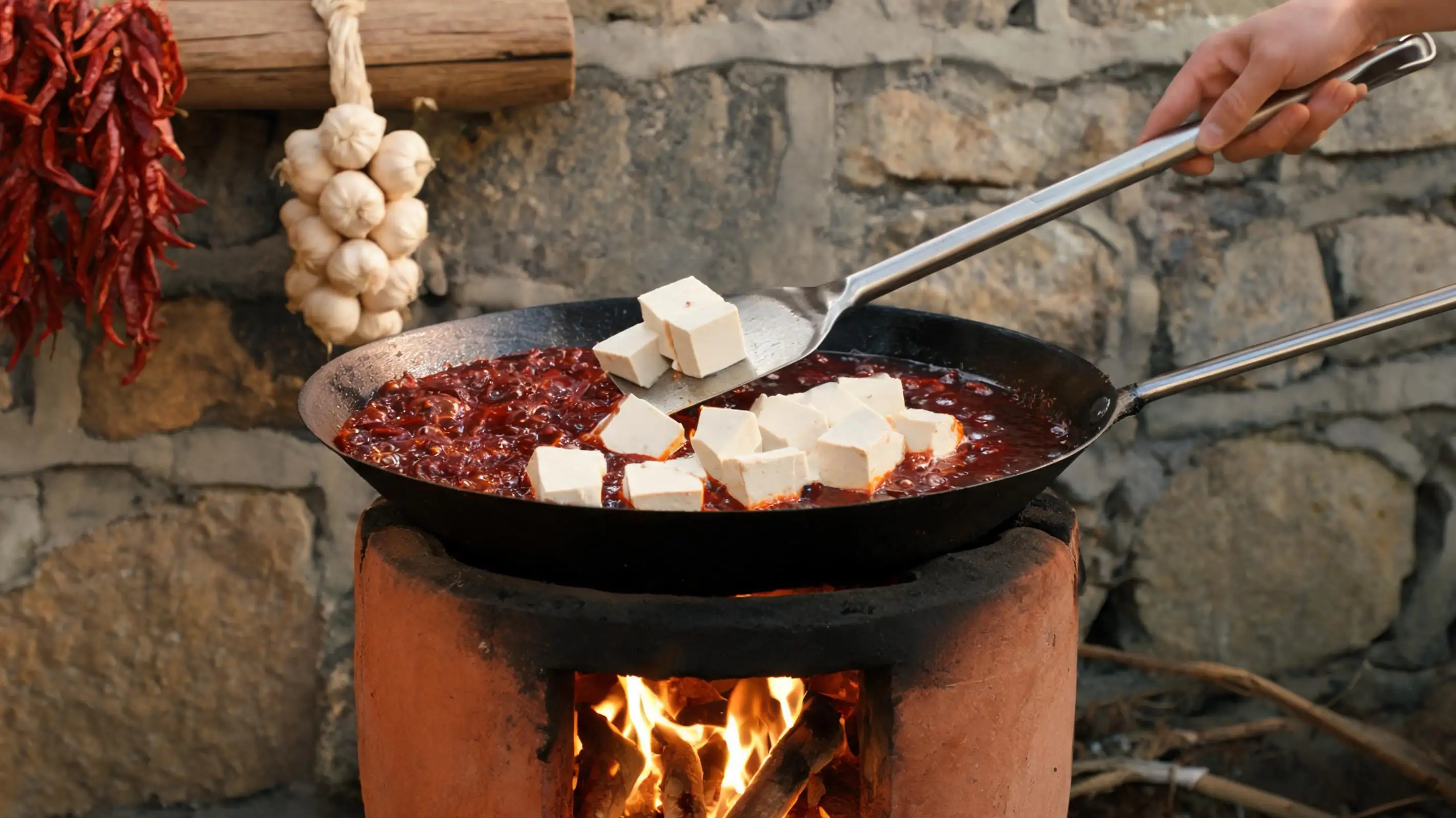
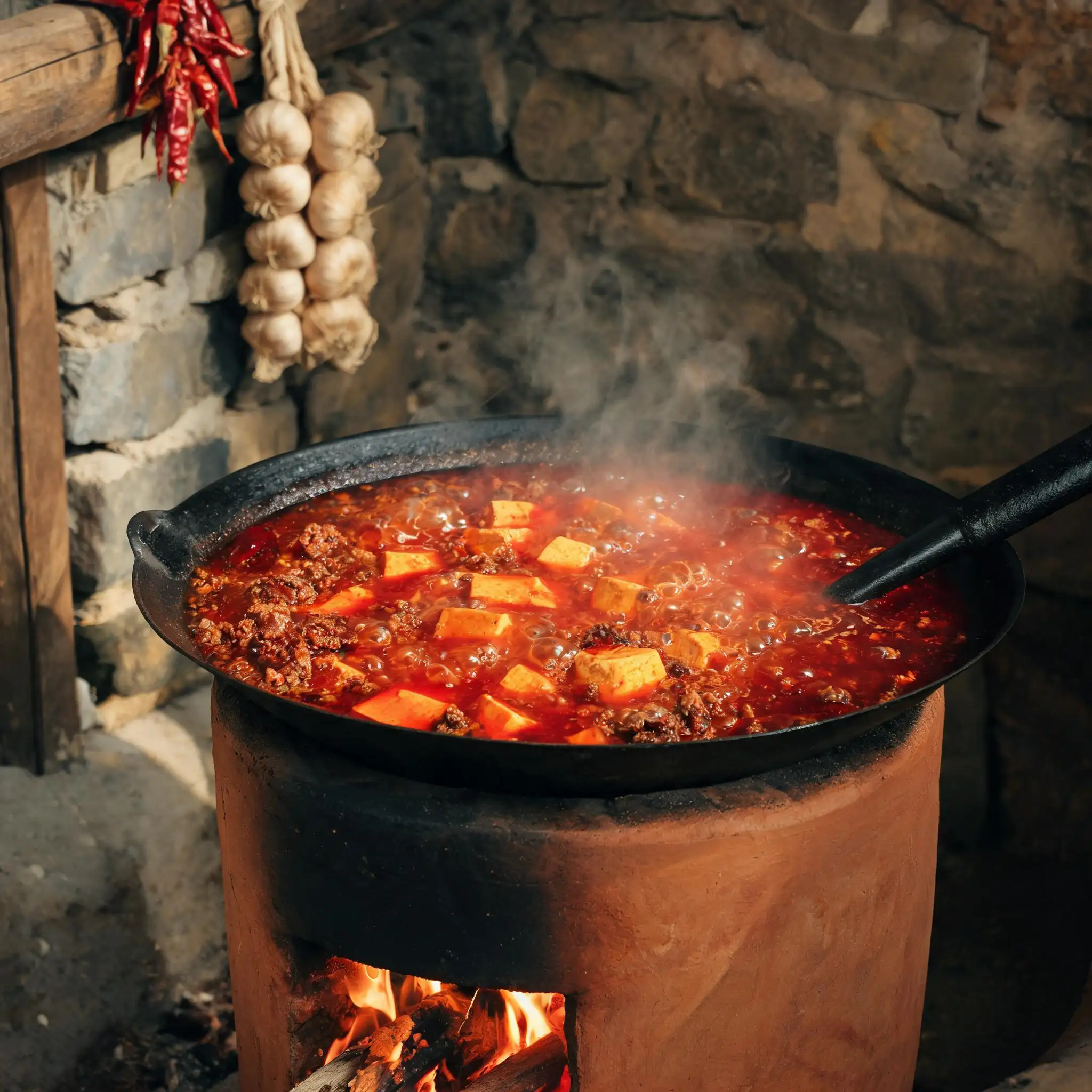
A ladleful of water or light broth goes in to loosen everything. Then the tofu cubes slide in gently — use a spatula or tilt them in from the bowl, you don't want them breaking. Add the beef back in. The liquid should come up about halfway on the tofu. Let it come to a simmer, then turn the heat down and leave it for three or four minutes. The tofu absorbs the sauce color slowly, going from white to orange-red as it sits.
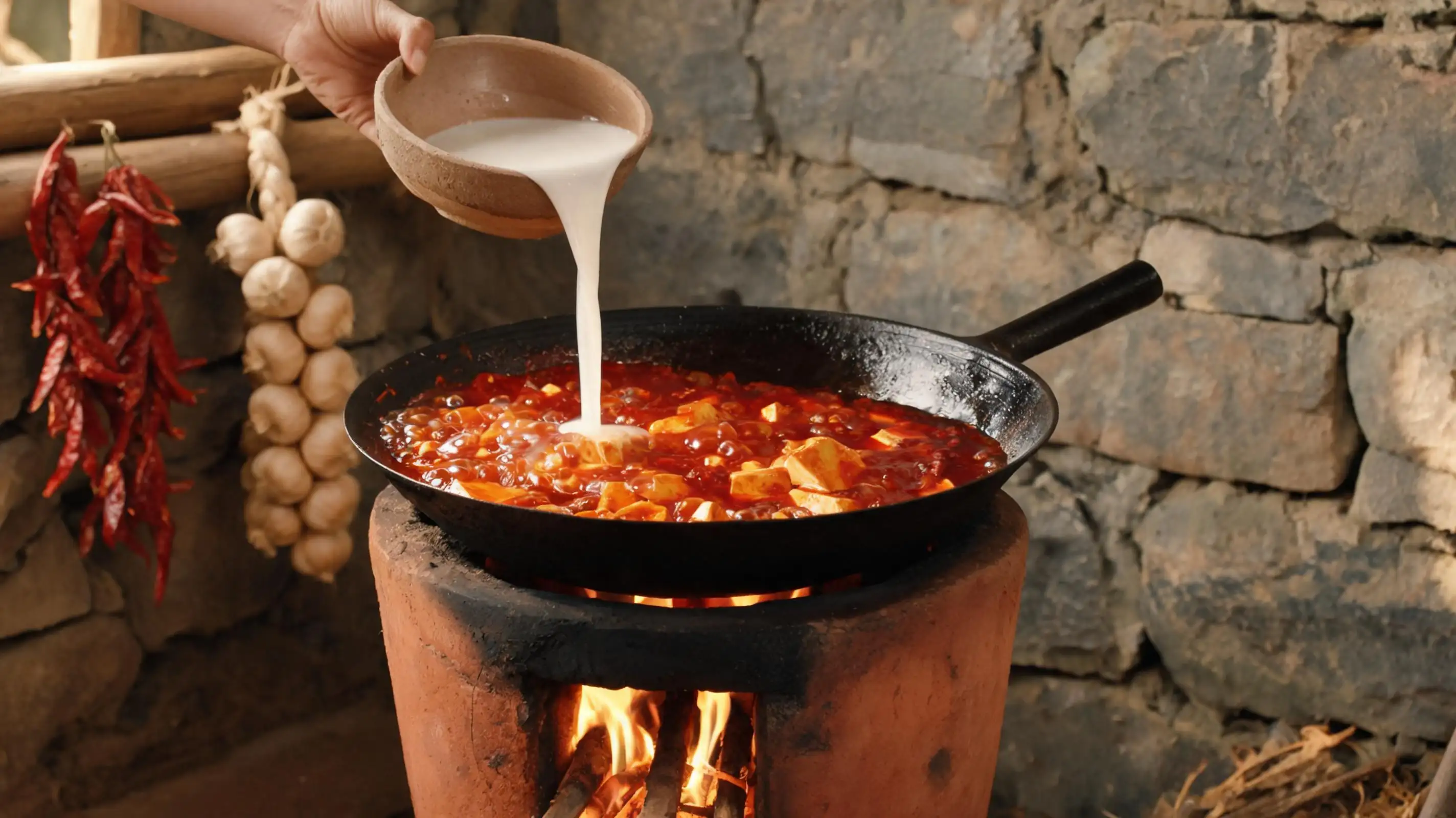
When the tofu has color and the broth smells right, pour in the starch slurry in a slow circle, stirring gently as you go. The sauce thickens almost immediately — it goes from broth to something glossy that coats the tofu and clings. This is what makes the dish what it is. The tofu should be sitting in sauce that sticks, not swimming in liquid.
Spoon it into a deep bowl while it's still very hot. Dust ground Sichuan peppercorn powder across the top — enough to see but not so much that it's all you taste. Scatter green scallion rings over the surface. The red oil will pool slightly at the edges of the bowl.
The dish is named after a woman who ran a small restaurant outside Chengdu in the 1860s. Her surname was Chen, and her face was pockmarked — that's what the name means, the two characters together: pockmarked (麻) and old woman (婆). She made a version of this for laborers who worked along the oil and fuel transport routes near the city. The original probably had pork fat instead of beef, and the proportions would have been heavier on the oil. The name stuck long after she was gone, which is probably the most honest form of recipe credit there is.
---
**Ingredients**
silky soft tofu — one block, cut into 2cm cubes, white and smooth
ground beef — about 100g, loose and raw
doubanjiang chili bean paste — two heaped tablespoons, finely chopped before going in
Sichuan peppercorns — a small pinch, toasted dry in the wok until fragrant, then ground
dried red chilies — a few, cut into short segments
garlic — three cloves, minced fine
ginger — one small piece, minced fine
starch — two tablespoons dissolved in cold water, for thickening
For the sauce bowl:
soy sauce — a small drizzle; dark soy sauce — a few drops for color; neutral cooking oil — enough to coat the wok
---
**How it's made**
The tofu goes into salted boiling water first, just a minute or two, nothing more. This is the step most people skip at home, and you can tell when they do. The tofu firms up just enough to hold its shape later when the sauce gets going. It comes out white, slightly tightened, and without that raw bean smell that lingers if you go straight to the wok.
While the tofu sits draining, ground beef goes into the wok in a splash of hot oil. High heat, no stirring for the first thirty seconds — you want the bottom to brown and crisp before you break it apart. Press and scatter it around the wok until the pieces are small and slightly caramelized at the edges. The fat renders out and the meat smells nutty and a little charred. Set it aside.
More oil into the same wok, hot but not smoking. The doubanjiang goes in directly — two heaped tablespoons of finely chopped paste hitting the oil and sizzling on contact. Work it constantly with the spatula, pressing and spreading it across the wok surface. After a minute the oil turns deep red, the paste darkens and smells deeply savory, and the kitchen fills with something that's hard to describe without just calling it that specific smell. Garlic and ginger go in next, stirred through for half a minute until they just start to catch.
A ladleful of water or light broth goes in to loosen everything. Then the tofu cubes slide in gently — use a spatula or tilt them in from the bowl, you don't want them breaking. Add the beef back in. The liquid should come up about halfway on the tofu. Let it come to a simmer, then turn the heat down and leave it for three or four minutes. The tofu absorbs the sauce color slowly, going from white to orange-red as it sits.
When the tofu has color and the broth smells right, pour in the starch slurry in a slow circle, stirring gently as you go. The sauce thickens almost immediately — it goes from broth to something glossy that coats the tofu and clings. This is what makes the dish what it is. The tofu should be sitting in sauce that sticks, not swimming in liquid.
Spoon it into a deep bowl while it's still very hot. Dust ground Sichuan peppercorn powder across the top — enough to see but not so much that it's all you taste. Scatter green scallion rings over the surface. The red oil will pool slightly at the edges of the bowl.
The dish is named after a woman who ran a small restaurant outside Chengdu in the 1860s. Her surname was Chen, and her face was pockmarked — that's what the name means, the two characters together: pockmarked (麻) and old woman (婆). She made a version of this for laborers who worked along the oil and fuel transport routes near the city. The original probably had pork fat instead of beef, and the proportions would have been heavier on the oil. The name stuck long after she was gone, which is probably the most honest form of recipe credit there is.