·5/25/2026
from
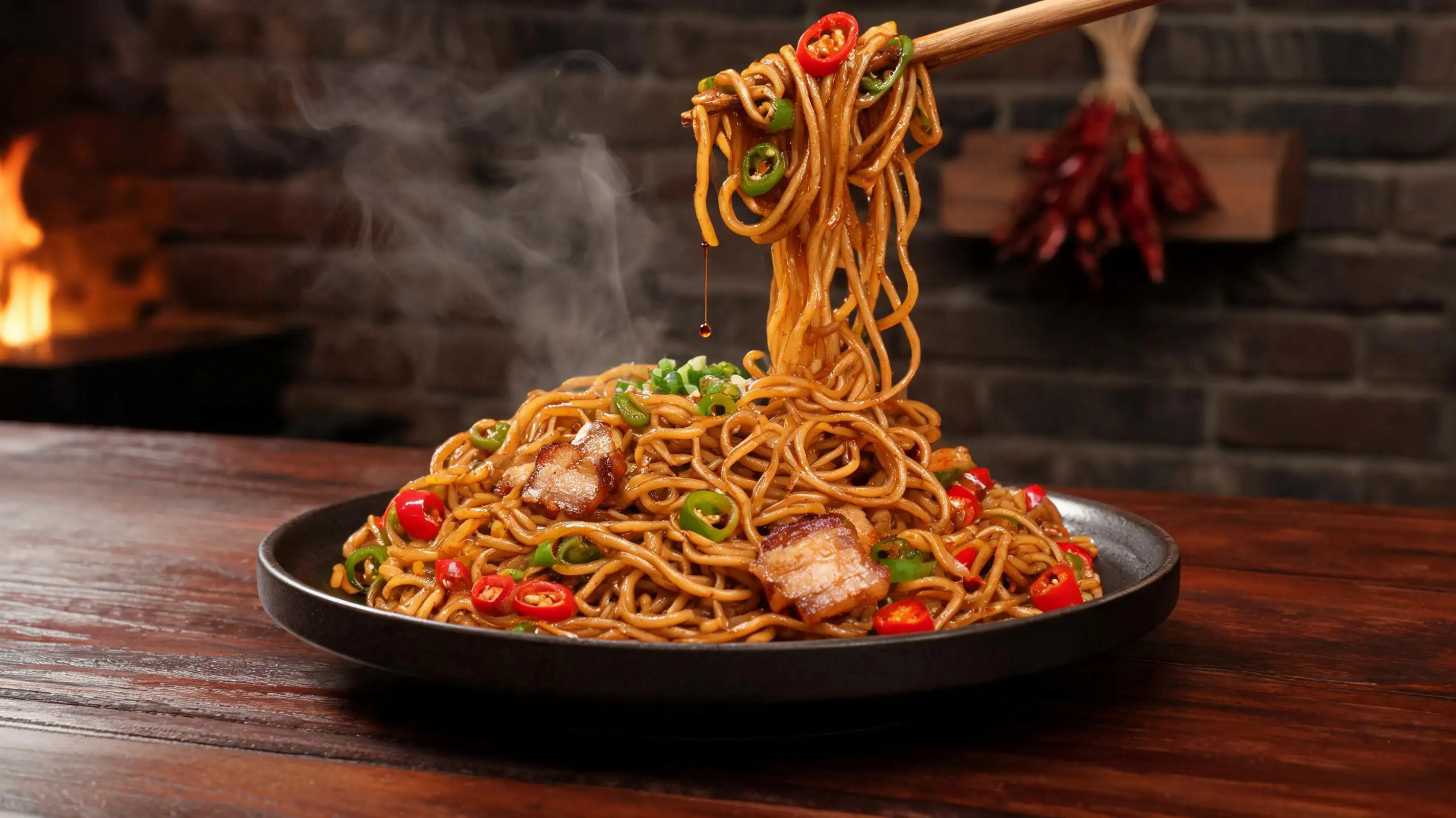
Double Pepper Stir-Fried Noodles
**Double Pepper Stir-Fried Noodles** *(双椒炒面)*
---
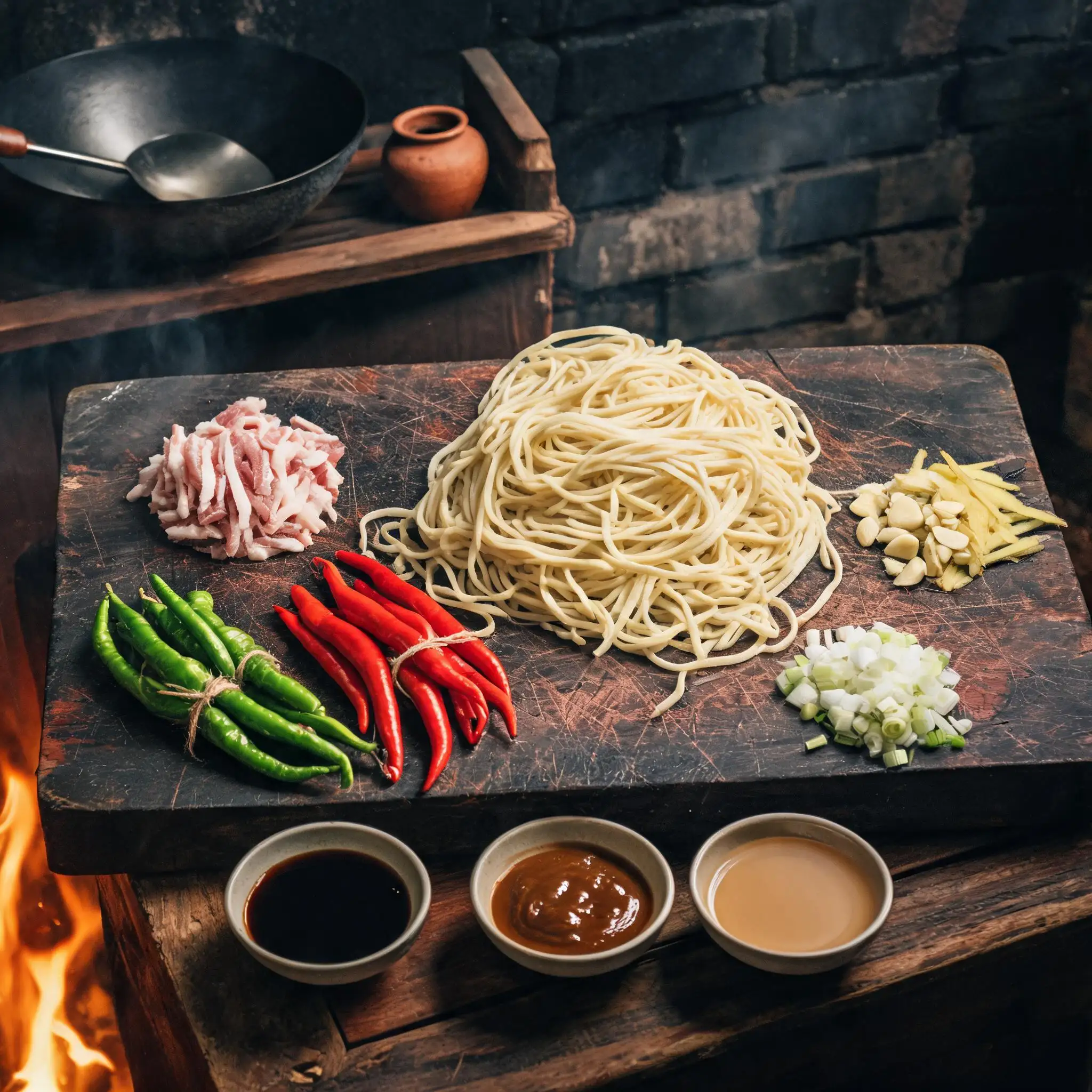
**Ingredients**
Fresh wheat noodles — medium thickness, the kind that still have some chew after boiling
Pork shoulder — sliced thin against the grain, enough to cover the bottom of the wok in a single layer
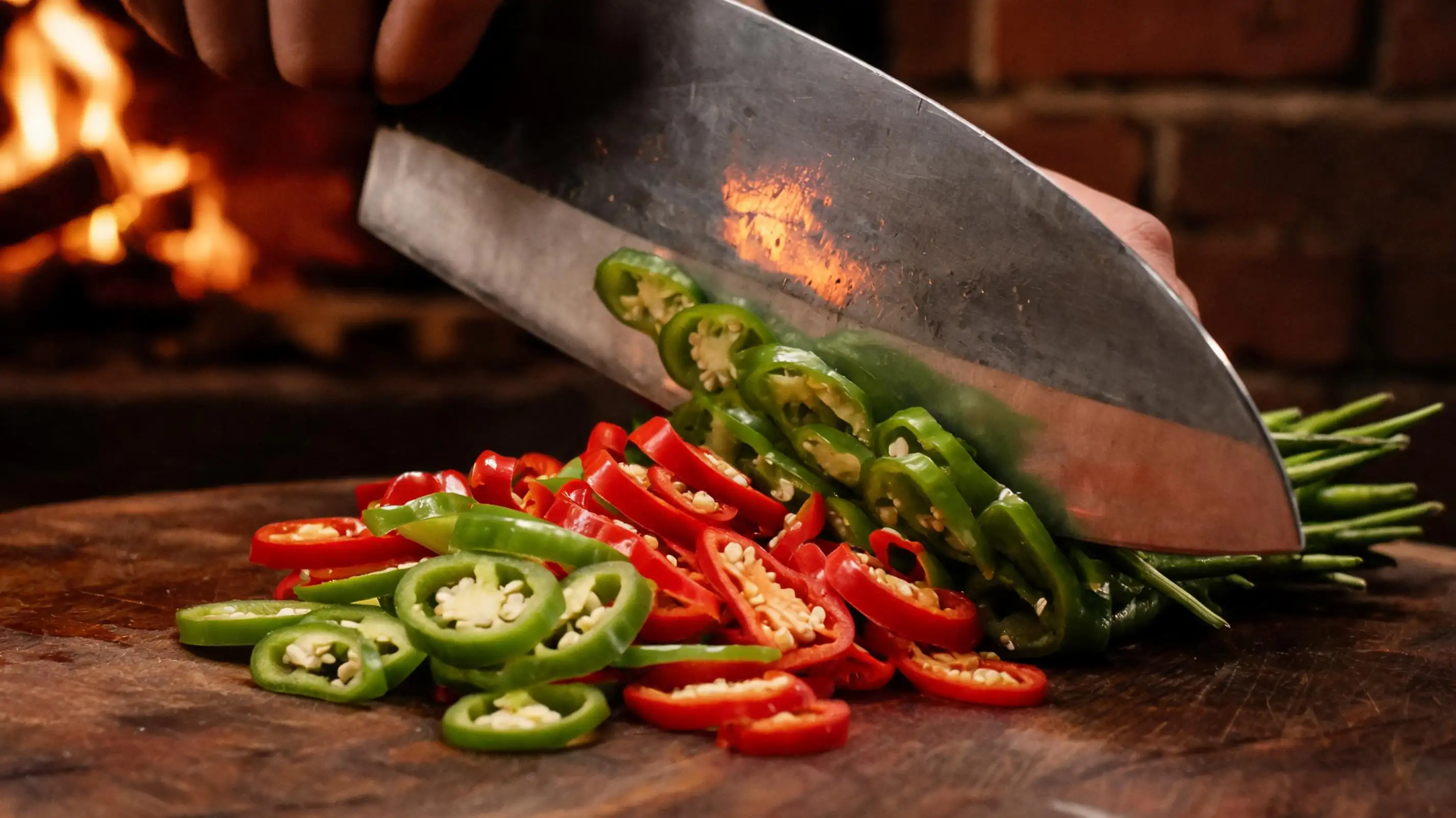
Green chilies — split lengthwise and cut into strips, the long thin variety with moderate heat
Red chilies — same cut as the green, for color and a sharper bite
Garlic — three or four cloves, minced
Light soy sauce — for seasoning the pork and finishing the dish
Dark soy sauce — a small pour, for color
Shaoxing rice wine — a splash for the pork
Salt and white pepper
Neutral oil
---
**How it's made**
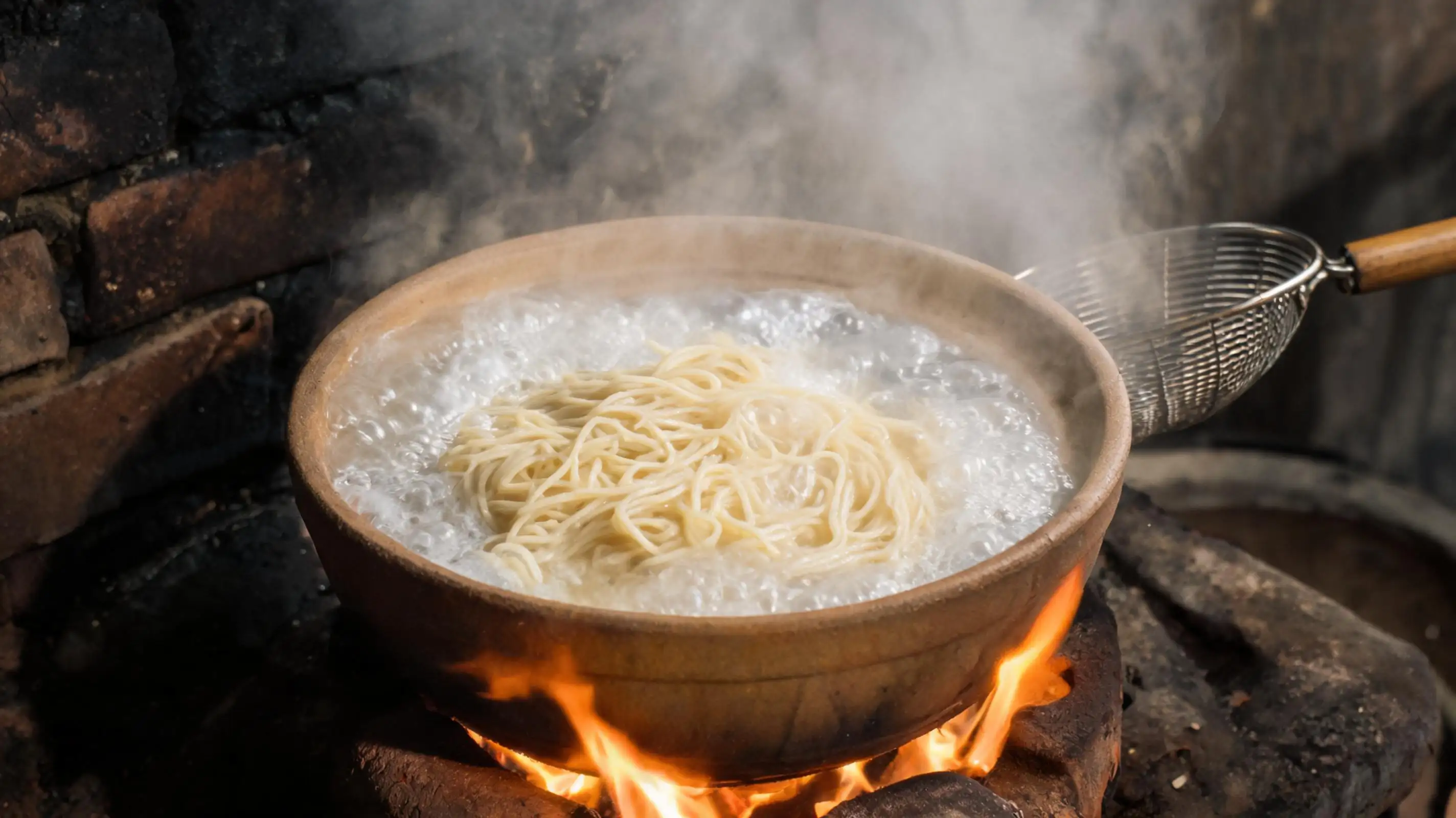
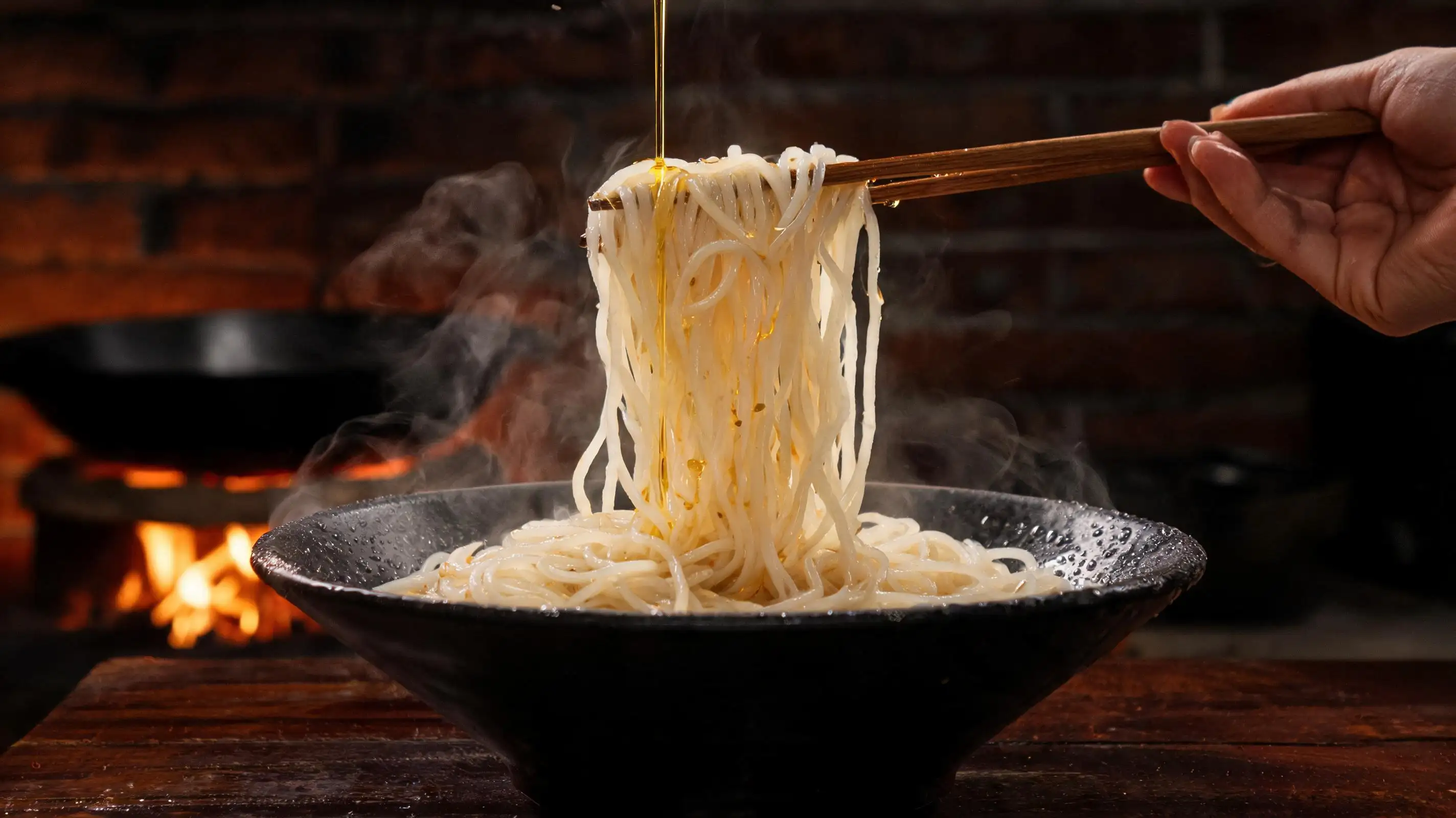
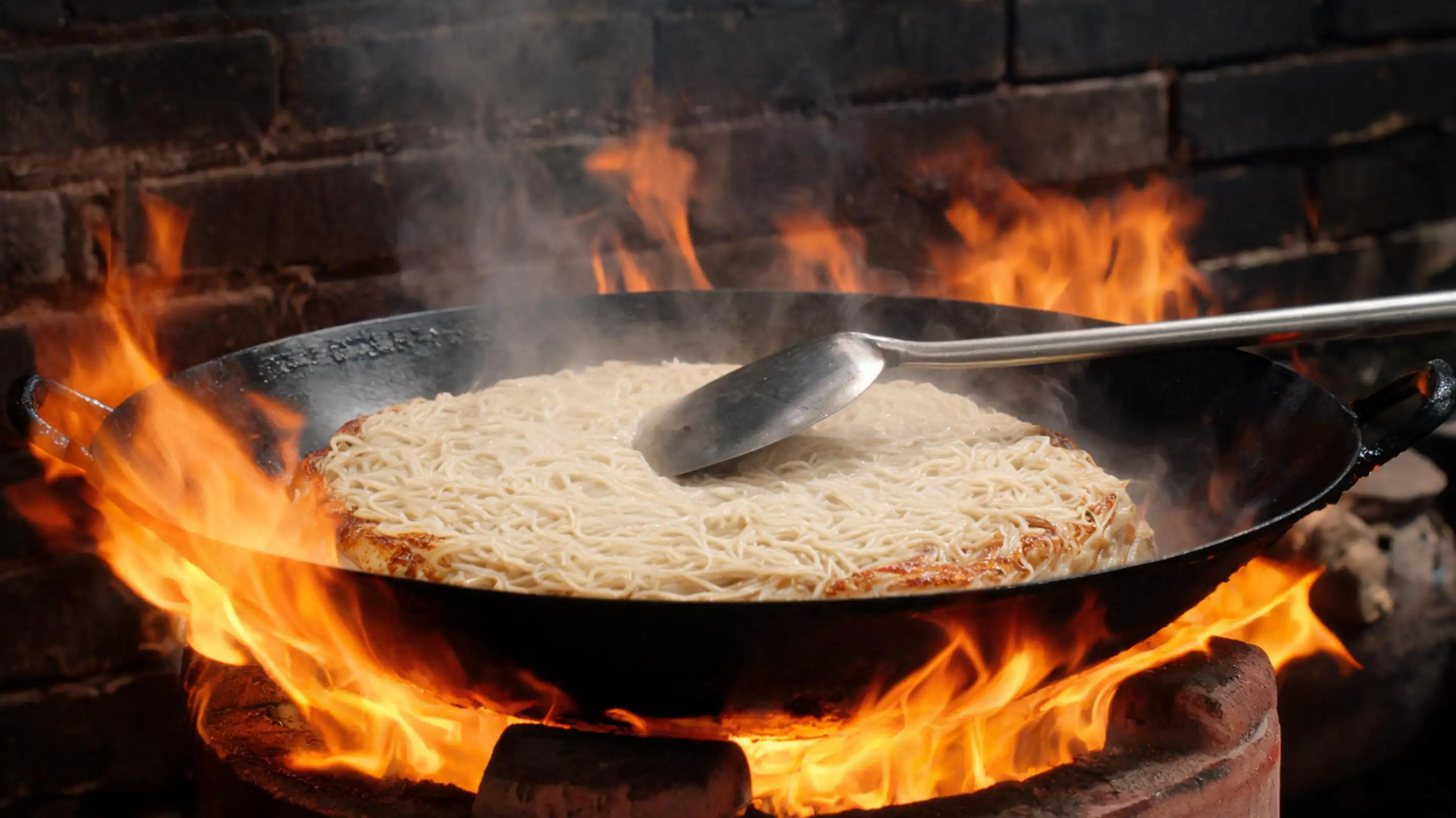
The noodles go into a large pot of boiling water. They cook until just done — still with a little resistance at the center, not soft all the way through. Pulled early, drained, and rinsed under cold water to stop the cooking. The cold rinse also keeps the strands from sticking together while everything else gets ready.
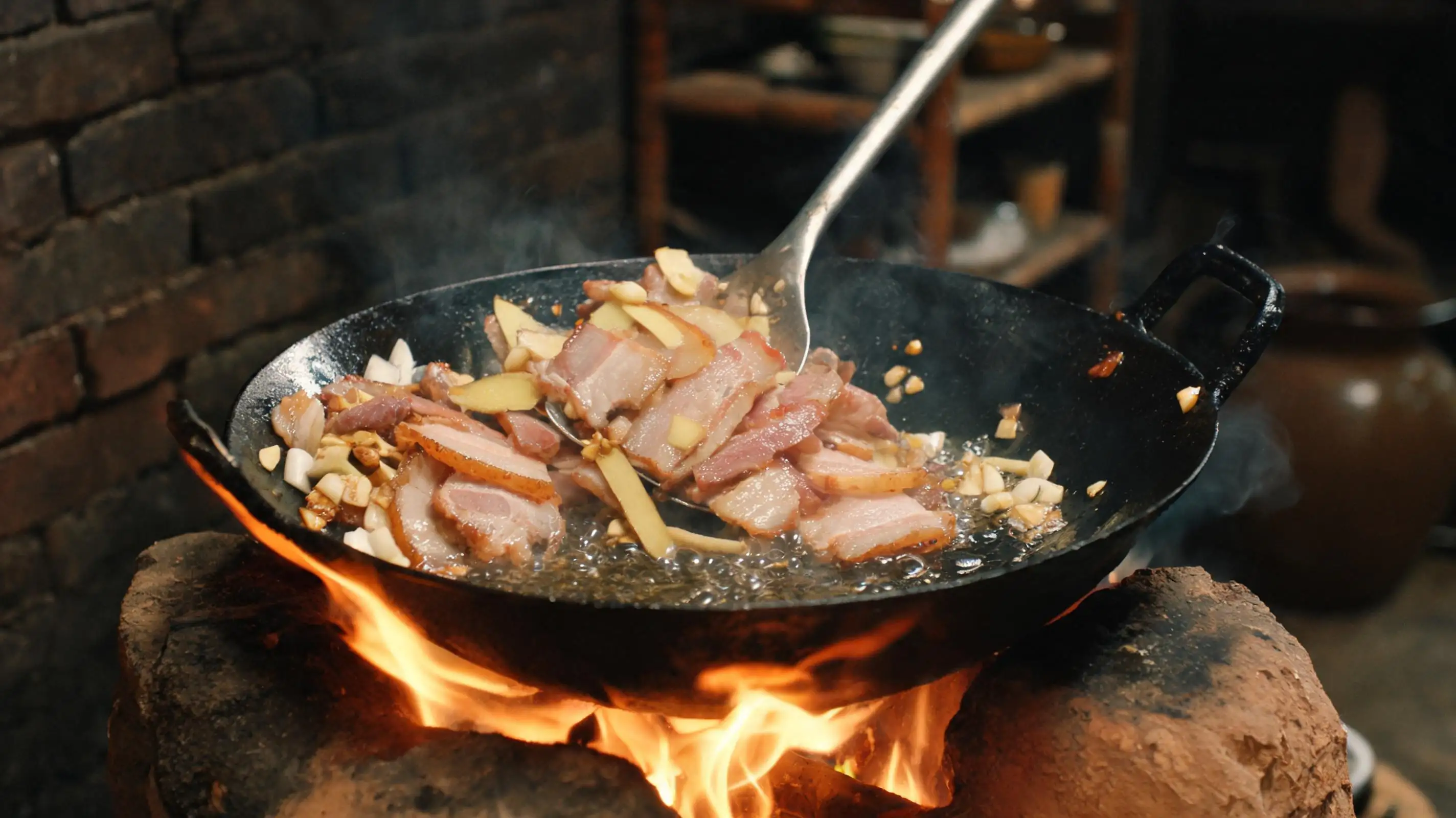
The pork is sliced thin across the grain — about the width of two stacked coins, long enough to pick up with chopsticks in one motion. It goes into a very hot dry wok first, laid flat without stirring, pressed against the iron until each slice develops a sear on the underside. Then turned. The goal is color on the outside while the center stays just barely cooked through. Overcooked pork at this stage turns chalky and doesn't recover. Once browned, it comes out of the wok and rests on a plate.
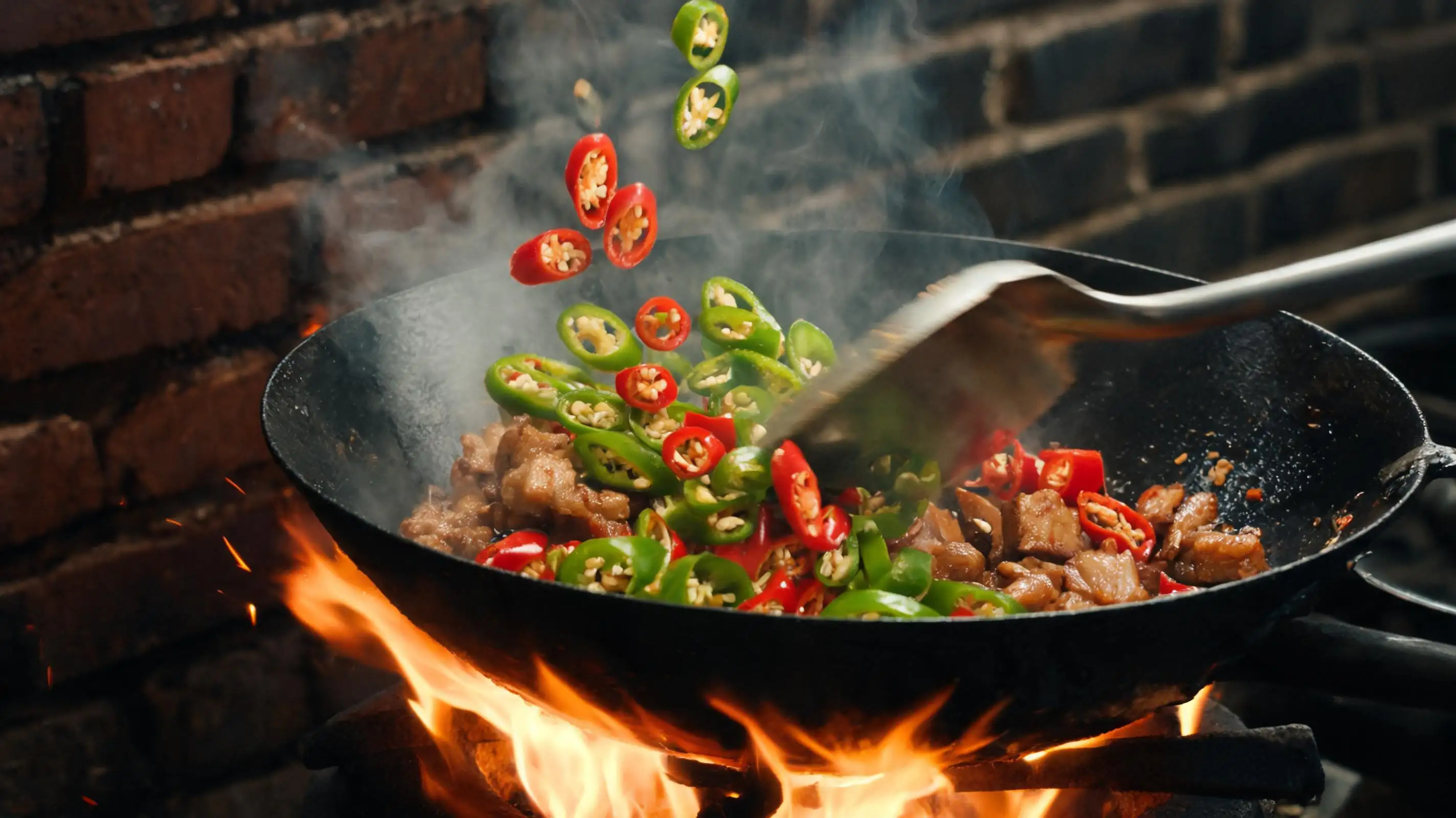
The wok goes back on high heat with oil. The minced garlic goes in first and stirs for about ten seconds — just until fragrant, not until colored. Then the green and red chili strips go in together. They blister fast in the hot oil, the edges starting to char at the tips while the flesh stays bright. The smell is sharp and direct: hot oil, raw chili heat, the faint sweetness that comes out when pepper flesh makes contact with iron.
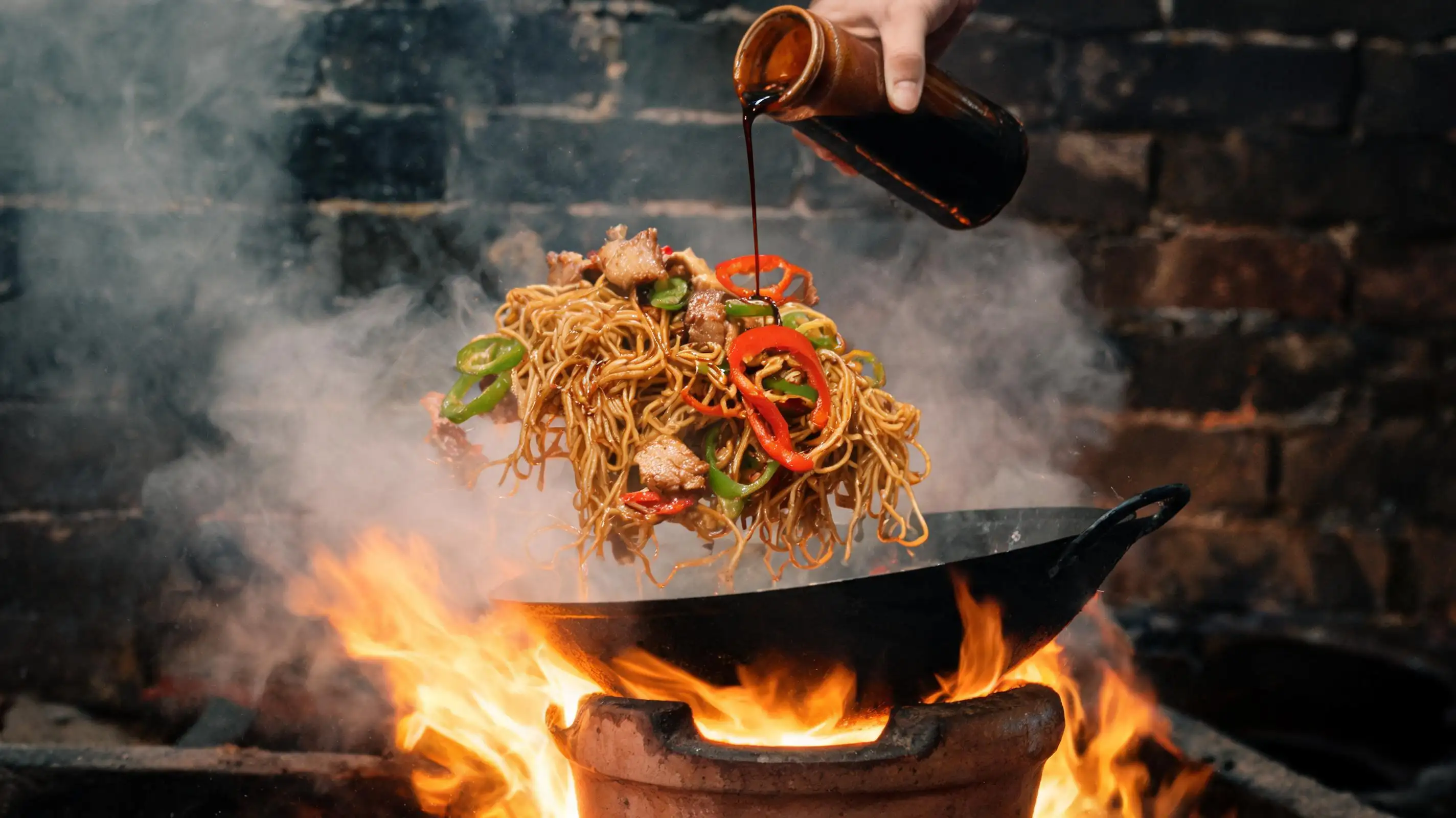
The noodles go in over the peppers. A pour of light soy sauce, a short pour of dark soy for color, a splash of Shaoxing wine. The wok is tossed continuously — the noodles folding through the chili and oil, picking up the sauce, the strands separating as the heat drives off the moisture. If the wok gets too dry, a small splash of water loosens everything without making it soupy. The pork goes back in for the last thirty seconds, folded through rather than stirred, so the slices stay intact.
Off the heat and onto a plate while everything is still moving.
The name is simply descriptive: two kinds of chilies, stir-fried with noodles. No particular origin story, no ancient recipe. It's the kind of dish that exists in different versions across the country — whatever peppers are in season, whatever noodles are on hand, pork if there's any left over. The combination works because the noodles carry the chili oil well, and the char on the peppers keeps the whole thing from tasting flat.
---
**Ingredients**
Fresh wheat noodles — medium thickness, the kind that still have some chew after boiling
Pork shoulder — sliced thin against the grain, enough to cover the bottom of the wok in a single layer
Green chilies — split lengthwise and cut into strips, the long thin variety with moderate heat
Red chilies — same cut as the green, for color and a sharper bite
Garlic — three or four cloves, minced
Light soy sauce — for seasoning the pork and finishing the dish
Dark soy sauce — a small pour, for color
Shaoxing rice wine — a splash for the pork
Salt and white pepper
Neutral oil
---
**How it's made**
The noodles go into a large pot of boiling water. They cook until just done — still with a little resistance at the center, not soft all the way through. Pulled early, drained, and rinsed under cold water to stop the cooking. The cold rinse also keeps the strands from sticking together while everything else gets ready.
The pork is sliced thin across the grain — about the width of two stacked coins, long enough to pick up with chopsticks in one motion. It goes into a very hot dry wok first, laid flat without stirring, pressed against the iron until each slice develops a sear on the underside. Then turned. The goal is color on the outside while the center stays just barely cooked through. Overcooked pork at this stage turns chalky and doesn't recover. Once browned, it comes out of the wok and rests on a plate.
The wok goes back on high heat with oil. The minced garlic goes in first and stirs for about ten seconds — just until fragrant, not until colored. Then the green and red chili strips go in together. They blister fast in the hot oil, the edges starting to char at the tips while the flesh stays bright. The smell is sharp and direct: hot oil, raw chili heat, the faint sweetness that comes out when pepper flesh makes contact with iron.
The noodles go in over the peppers. A pour of light soy sauce, a short pour of dark soy for color, a splash of Shaoxing wine. The wok is tossed continuously — the noodles folding through the chili and oil, picking up the sauce, the strands separating as the heat drives off the moisture. If the wok gets too dry, a small splash of water loosens everything without making it soupy. The pork goes back in for the last thirty seconds, folded through rather than stirred, so the slices stay intact.
Off the heat and onto a plate while everything is still moving.
The name is simply descriptive: two kinds of chilies, stir-fried with noodles. No particular origin story, no ancient recipe. It's the kind of dish that exists in different versions across the country — whatever peppers are in season, whatever noodles are on hand, pork if there's any left over. The combination works because the noodles carry the chili oil well, and the char on the peppers keeps the whole thing from tasting flat.