·5/20/2026
from
Ai Wo Wo
# Ai Wo Wo
---
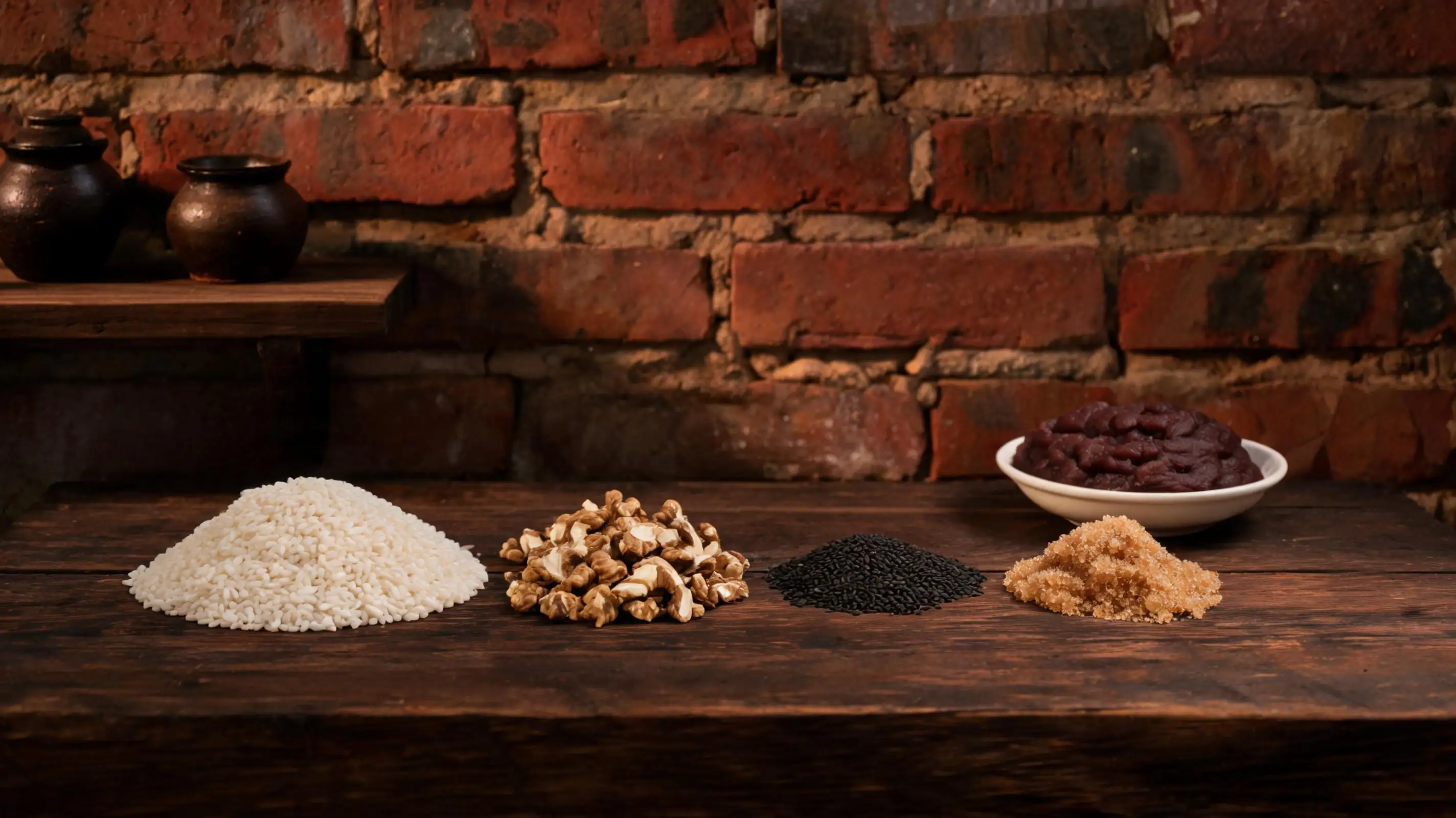
**Ingredients**
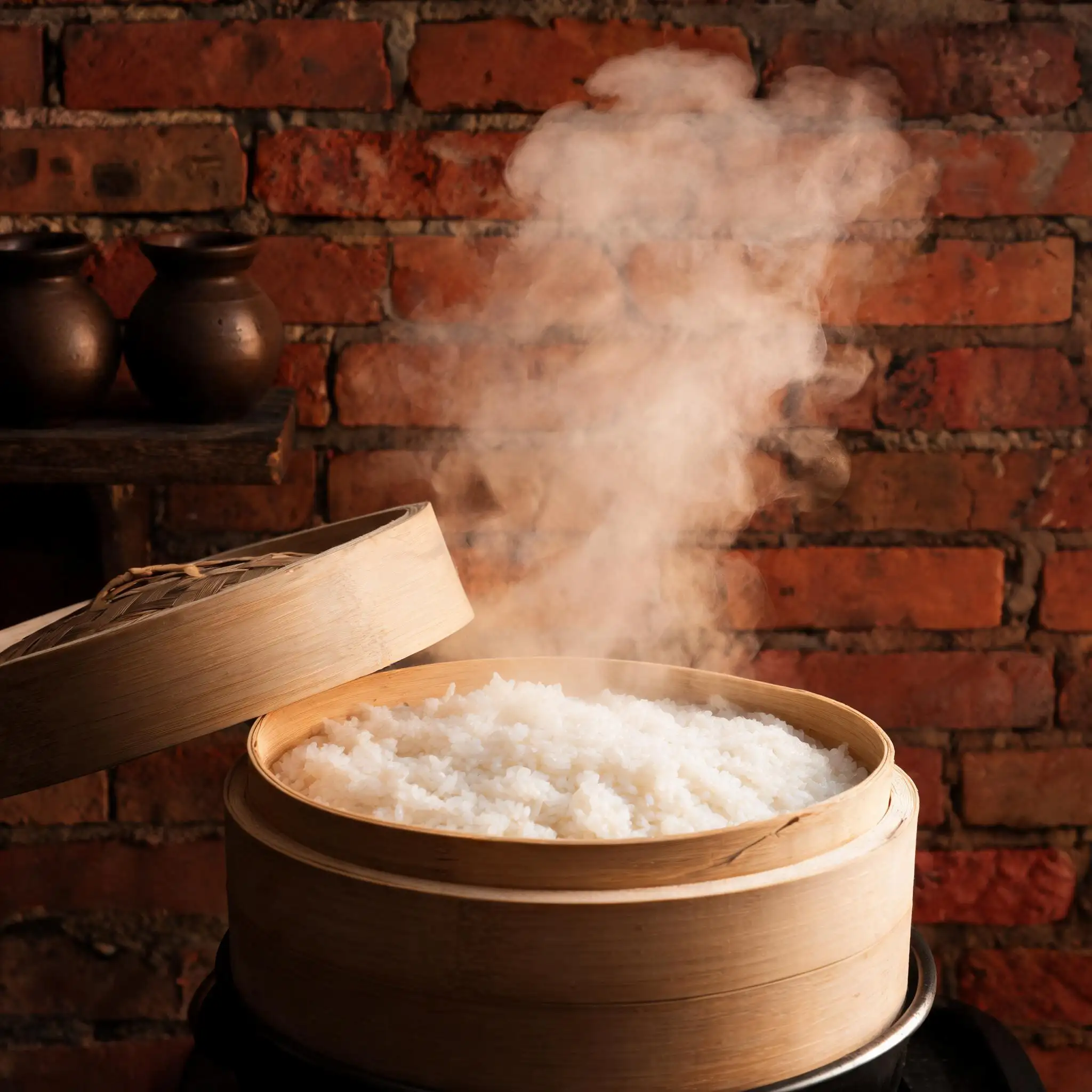
- Round glutinous rice (圆糯米) — short grain, soaked overnight
- Glutinous rice flour — for dusting
- Walnuts — shelled, roughly crushed
- Black sesame seeds
- Brown sugar (红糖)
- Red bean paste (豆沙) — optional, for variation
---
The name is a little mysterious.
Most people agree that ai wo wo comes from the imperial court — specifically from the Hui Muslim cooks who served in the kitchens of the Ming and Qing dynasties. The Hui brought with them a tradition of working with glutinous rice and sweet fillings, and over generations those techniques found their way from palace kitchens into the lanes and alleys of Beijing's outer city. By the time ai wo wo appeared on street stalls in the late Qing period, it had already been eaten by emperors. The name itself is said to be a corruption of an older phrase — perhaps a term of endearment, perhaps a mishearing, the kind of thing that happens to words that travel through centuries of mouths.
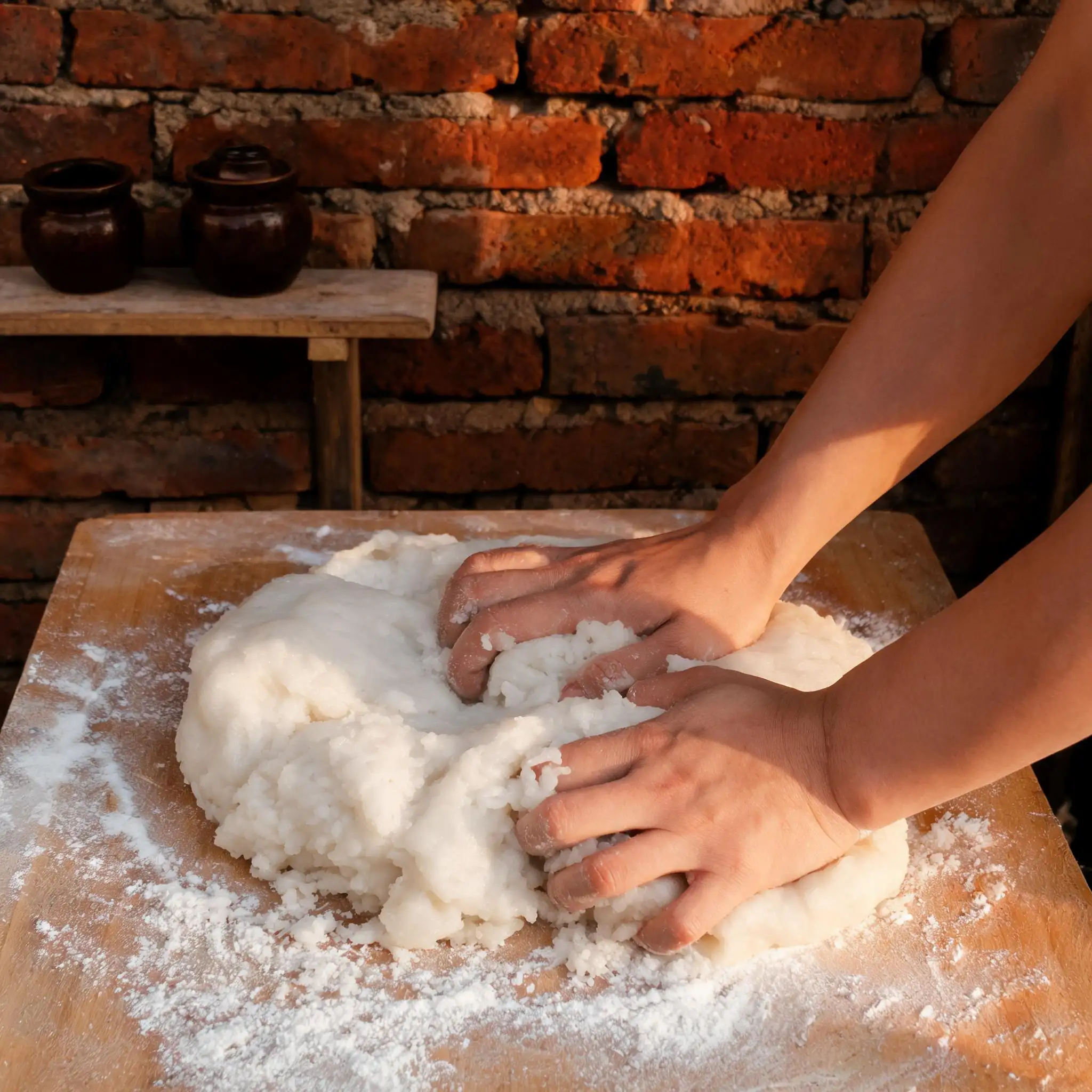
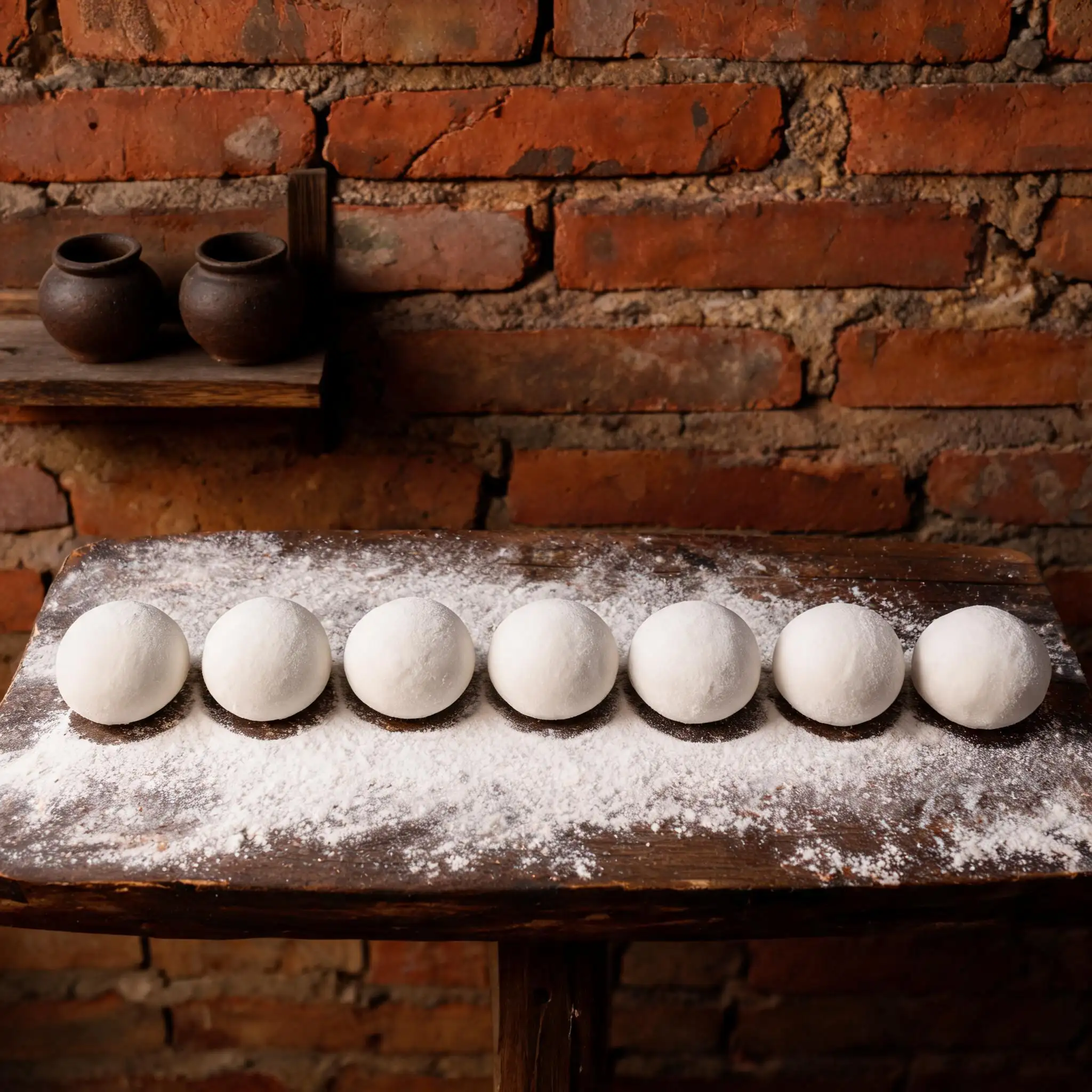
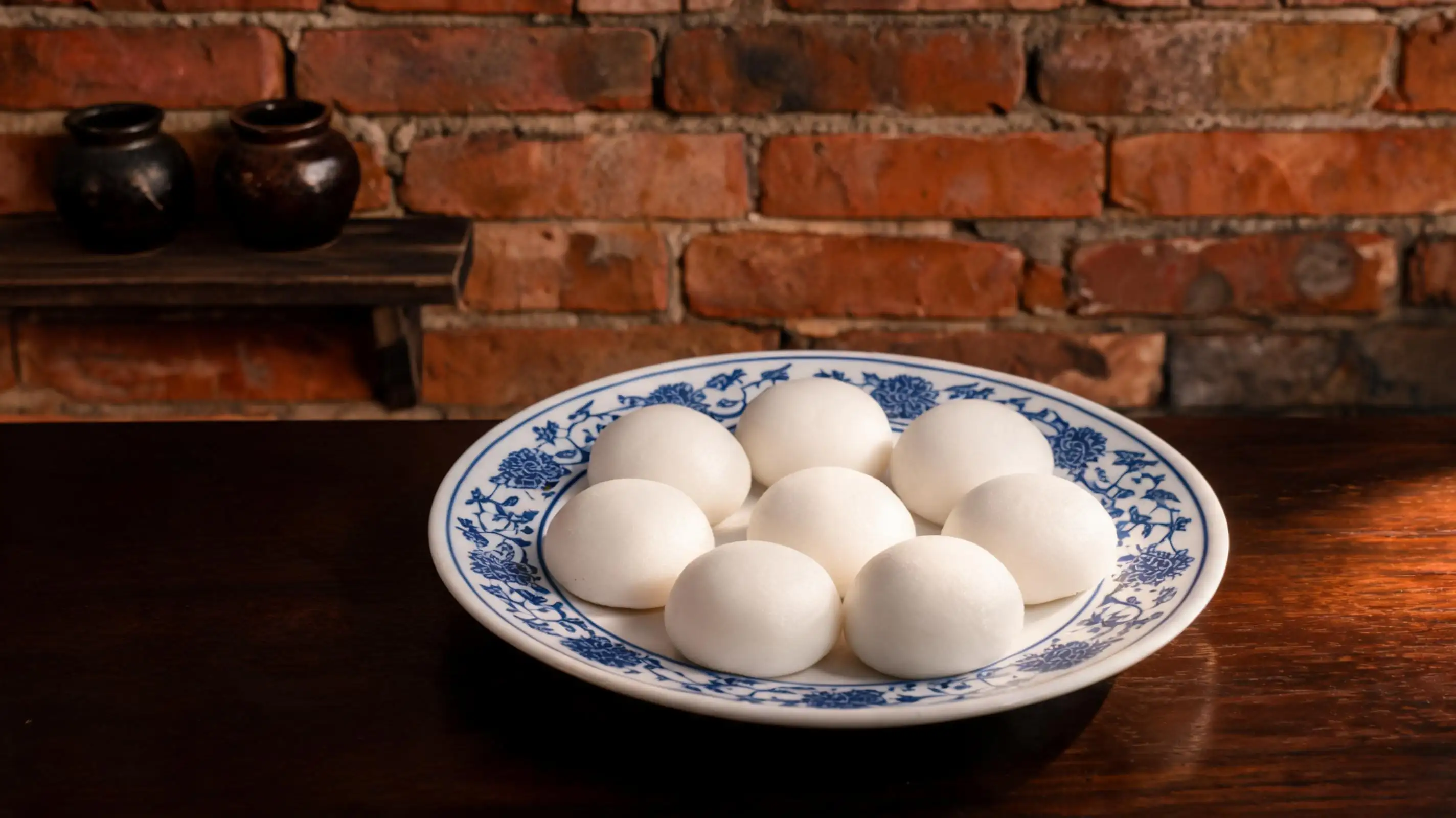
What you are left with is this: a round, snow-white sweet, soft to the touch, dusted in glutinous rice flour.
The filling is built around contrast.
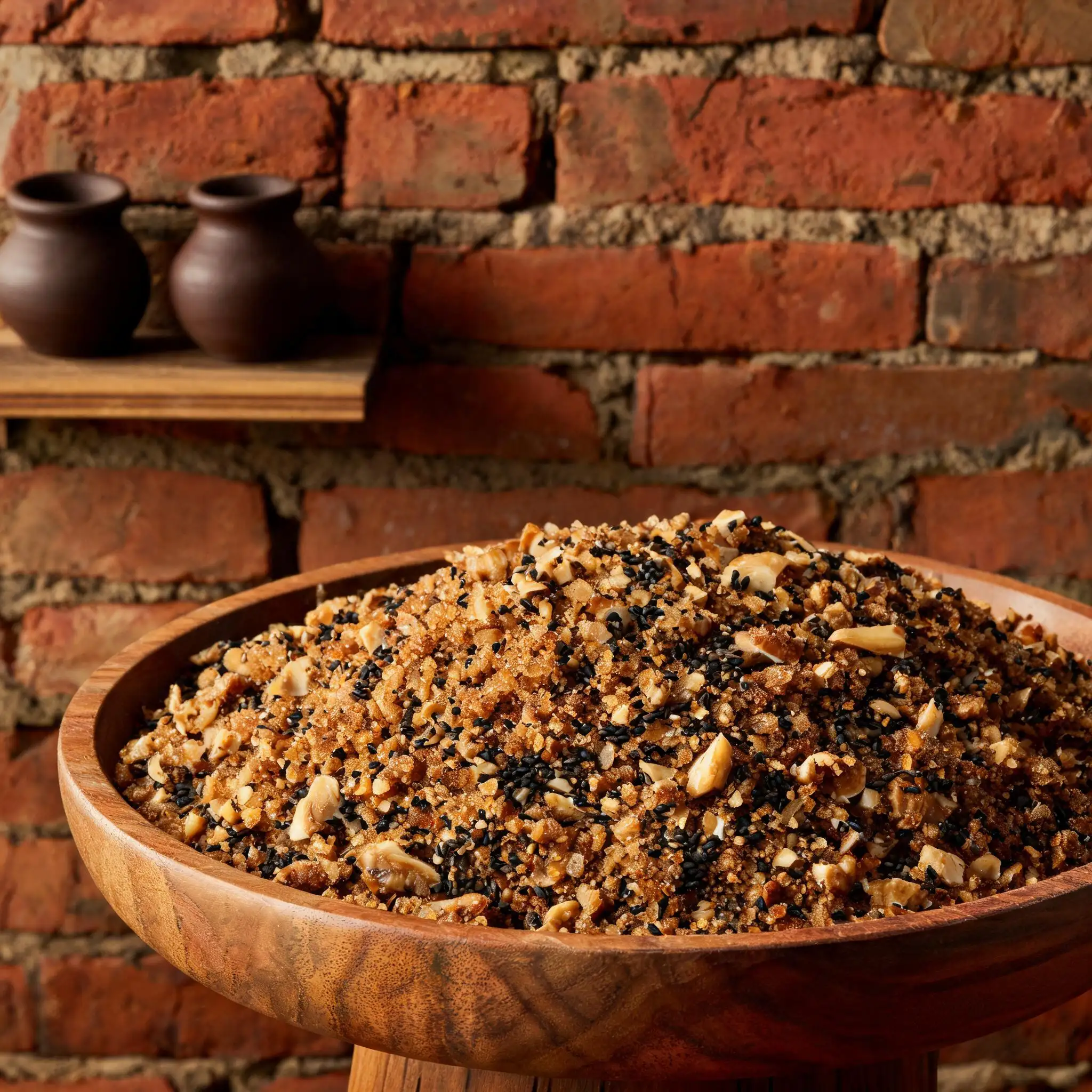
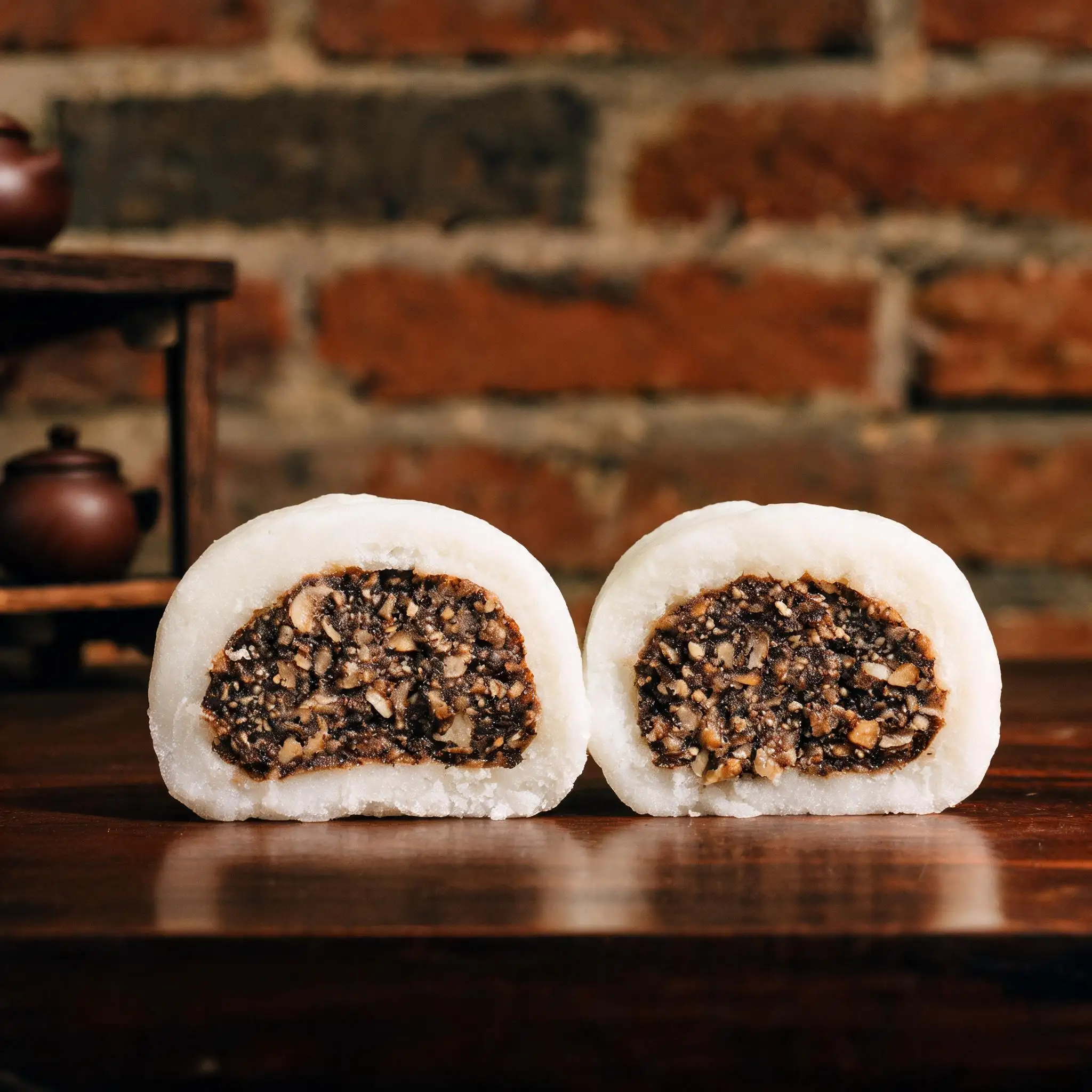
Crushed walnuts, black sesame seeds, and brown sugar are mixed together until the fat from the nuts and seeds begins to bind the sugar into a coarse, fragrant mass. Dark brown, with visible pieces of walnut and individual sesame seeds throughout. Against the neutral, faintly sweet glutinous rice exterior, it is the filling that carries most of the flavor — quietly, without sharp edges, the way good sweet fillings should.
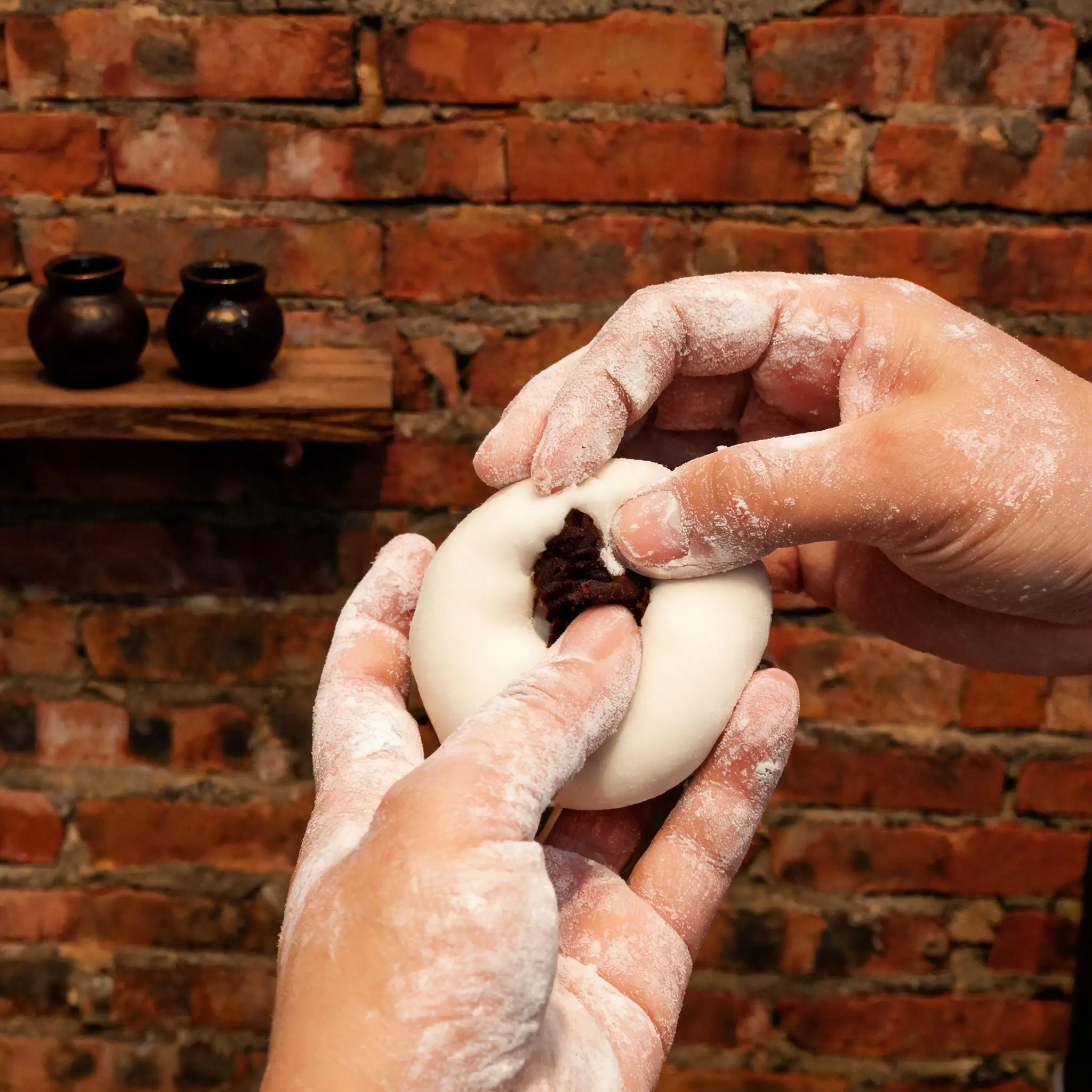
Wrapping is done quickly. A small disc of the rice dough is flattened in the palm, a spoonful of filling placed in the center, the edges gathered and pinched closed. The finished piece is round, slightly flattened at the bottom, and perfectly white.
There is no cooking after this. Ai wo wo is eaten cold or at room temperature.
The eating experience is mostly about texture. The exterior is yielding and slightly chewy — the characteristic resistance of well-made glutinous rice. The filling compresses slightly under the teeth before giving way, releasing the sweetness of the brown sugar and the richness of the ground nuts. The two components never fully merge. You taste them in sequence: rice first, then filling, then the two together in the finish.
In Beijing, ai wo wo belongs to spring — listed in old almanacs as a seasonal item, available from the first month of the lunar year through late spring, then gone until the following year. A food that arrives with the warmth and disappears before the heat.
Snow-white, walnut-dark inside, gone by summer.
---
**Ingredients**
- Round glutinous rice (圆糯米) — short grain, soaked overnight
- Glutinous rice flour — for dusting
- Walnuts — shelled, roughly crushed
- Black sesame seeds
- Brown sugar (红糖)
- Red bean paste (豆沙) — optional, for variation
---
The name is a little mysterious.
Most people agree that ai wo wo comes from the imperial court — specifically from the Hui Muslim cooks who served in the kitchens of the Ming and Qing dynasties. The Hui brought with them a tradition of working with glutinous rice and sweet fillings, and over generations those techniques found their way from palace kitchens into the lanes and alleys of Beijing's outer city. By the time ai wo wo appeared on street stalls in the late Qing period, it had already been eaten by emperors. The name itself is said to be a corruption of an older phrase — perhaps a term of endearment, perhaps a mishearing, the kind of thing that happens to words that travel through centuries of mouths.
What you are left with is this: a round, snow-white sweet, soft to the touch, dusted in glutinous rice flour.
The filling is built around contrast.
Crushed walnuts, black sesame seeds, and brown sugar are mixed together until the fat from the nuts and seeds begins to bind the sugar into a coarse, fragrant mass. Dark brown, with visible pieces of walnut and individual sesame seeds throughout. Against the neutral, faintly sweet glutinous rice exterior, it is the filling that carries most of the flavor — quietly, without sharp edges, the way good sweet fillings should.
Wrapping is done quickly. A small disc of the rice dough is flattened in the palm, a spoonful of filling placed in the center, the edges gathered and pinched closed. The finished piece is round, slightly flattened at the bottom, and perfectly white.
There is no cooking after this. Ai wo wo is eaten cold or at room temperature.
The eating experience is mostly about texture. The exterior is yielding and slightly chewy — the characteristic resistance of well-made glutinous rice. The filling compresses slightly under the teeth before giving way, releasing the sweetness of the brown sugar and the richness of the ground nuts. The two components never fully merge. You taste them in sequence: rice first, then filling, then the two together in the finish.
In Beijing, ai wo wo belongs to spring — listed in old almanacs as a seasonal item, available from the first month of the lunar year through late spring, then gone until the following year. A food that arrives with the warmth and disappears before the heat.
Snow-white, walnut-dark inside, gone by summer.