·5/20/2026
from
Mending Rou Bing
# Old Beijing Mending Rou Bing
---
**Ingredients**
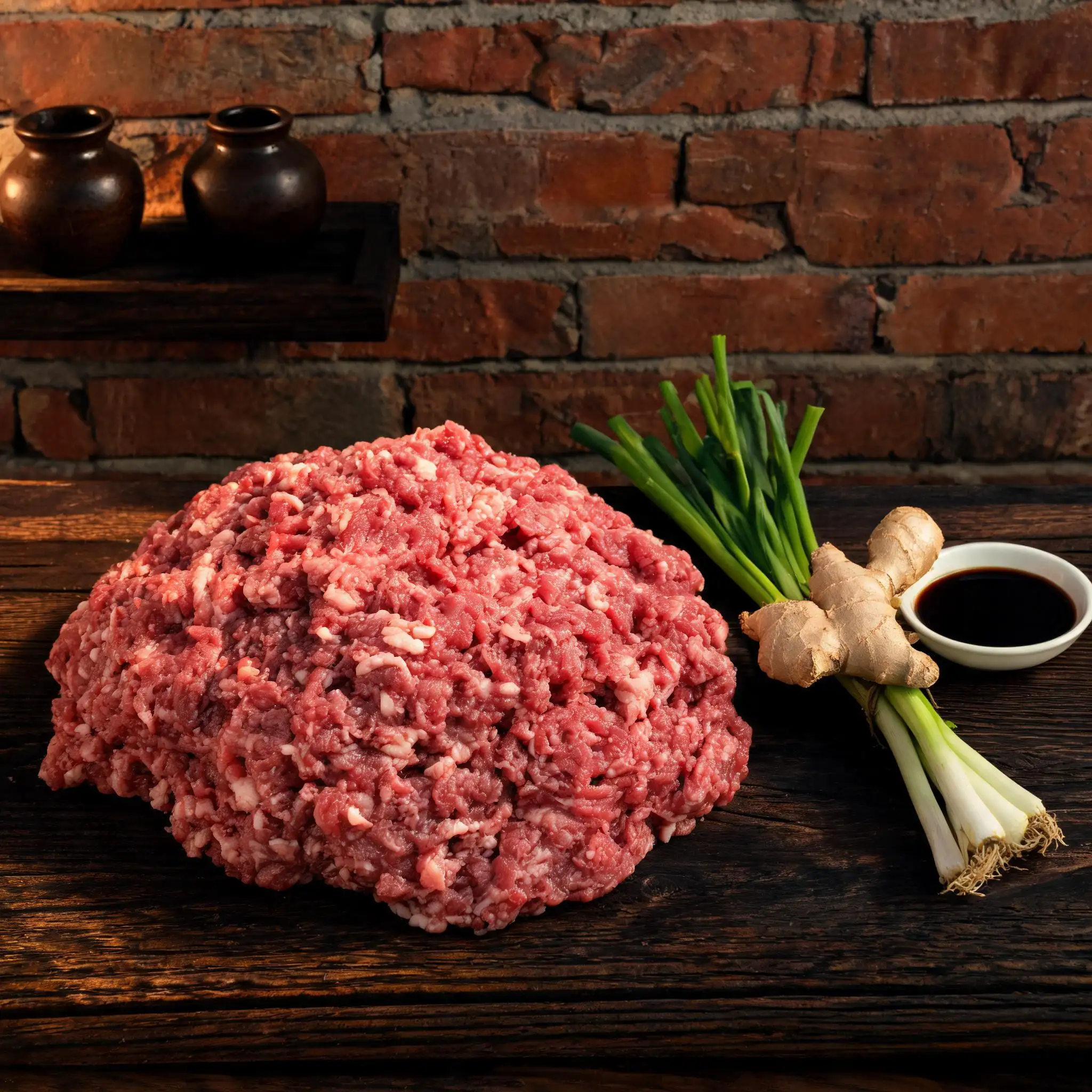
- Beef — coarsely minced, not too lean
- Scallions (大葱), fresh ginger, dark soy sauce
- All-purpose flour dough — soft, slightly warm
- Sesame oil, salt, white pepper
- Black rice vinegar and raw garlic (to serve)
---
The name comes from the nails.
On the gates of the imperial palace in Beijing — on the Meridian Gate, on the Gate of Supreme Harmony, on every major entrance — there are rows of large brass studs arranged in a nine-by-nine grid. These are called 门钉, men ding: door nails. They are dome-shaped, thick, and perfectly round. Someone, at some point in Beijing's long history, made a meat pie that looked exactly like them, and the name stuck.
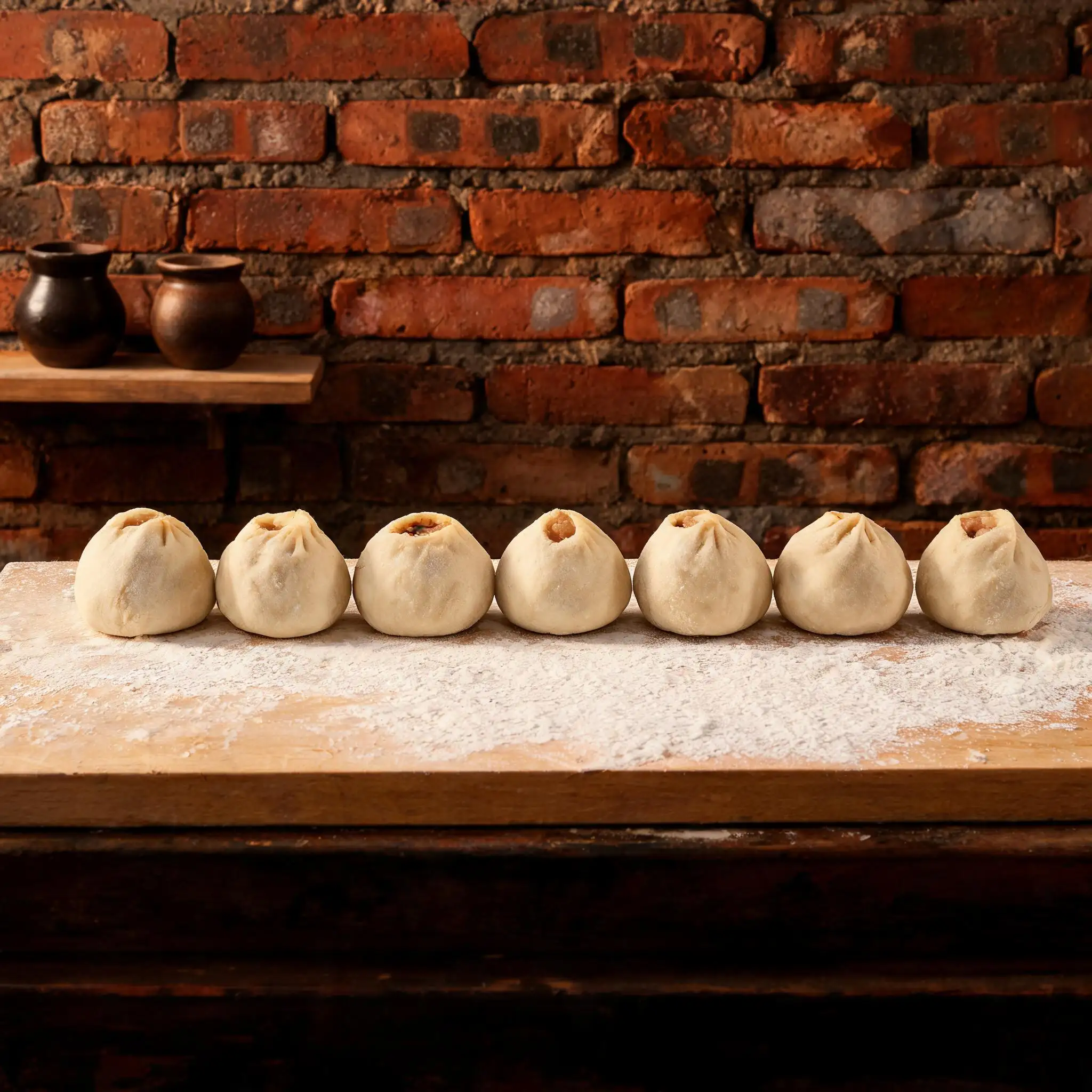
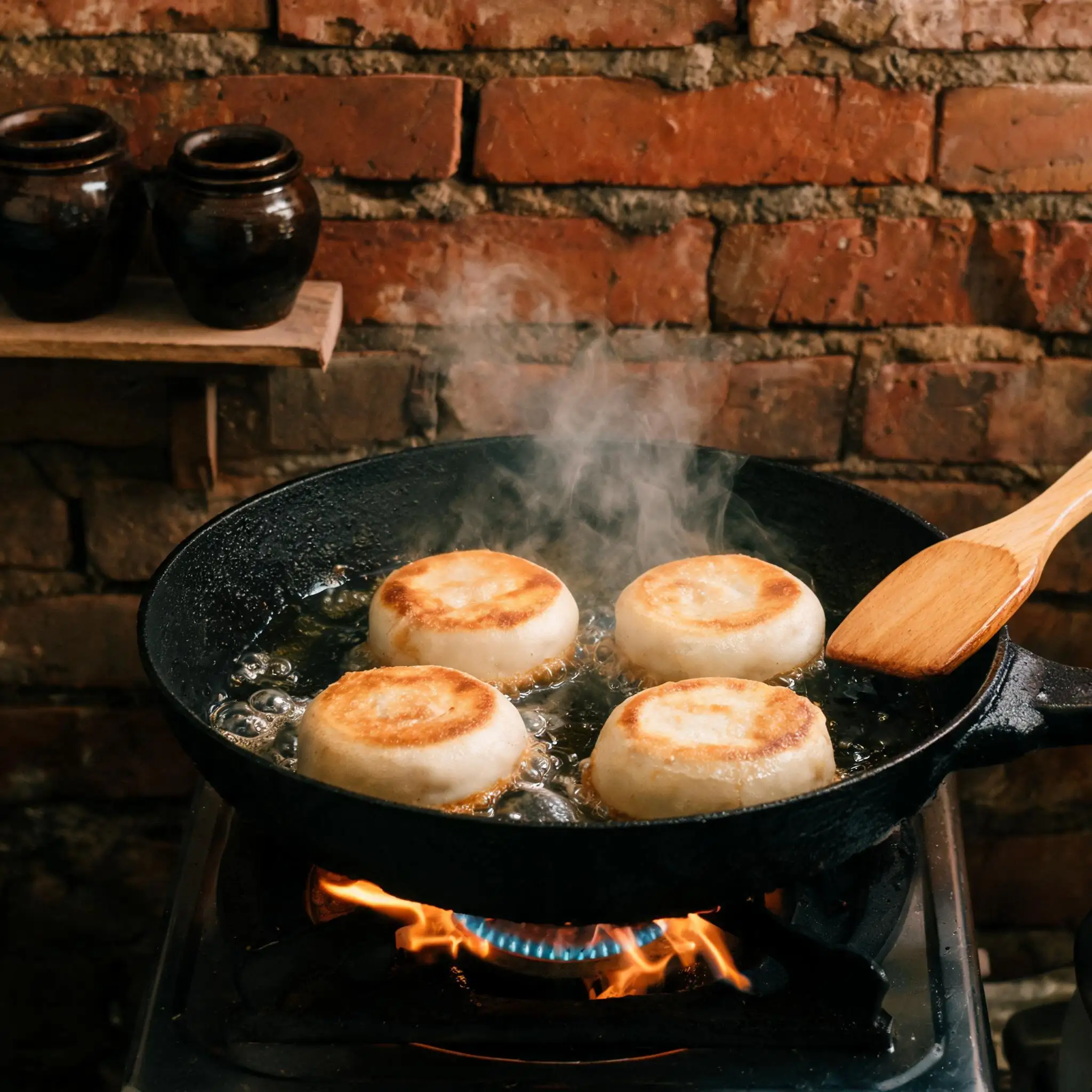
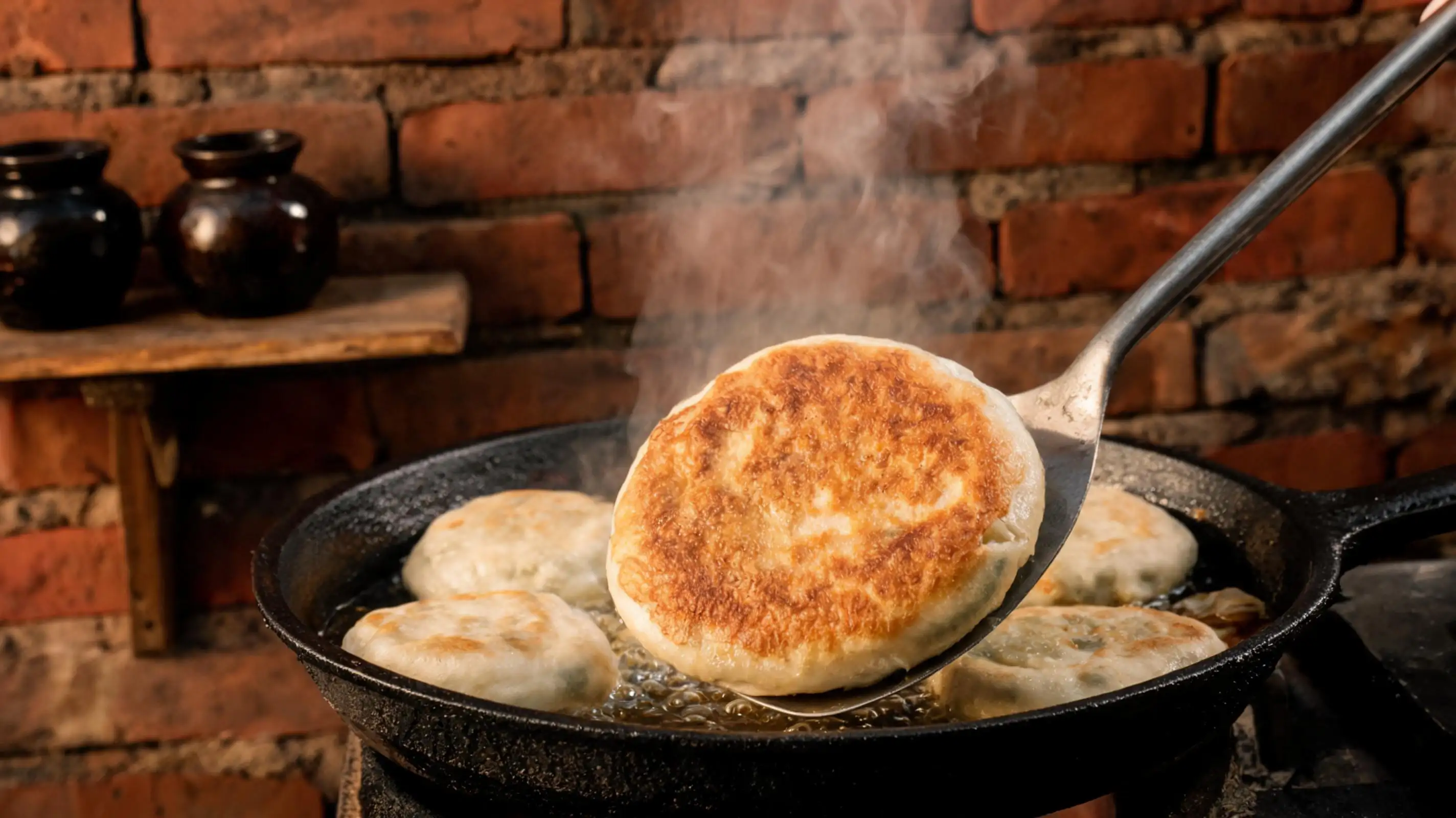
Mending Rou Bing is a pan-fried stuffed pie: beef and scallion filling inside a soft dough wrapper, pressed into a thick disc and fried until both sides are golden. But the shape is what sets it apart from other Beijing street pies — it is noticeably tall, noticeably round, built to hold a generous amount of filling. Where other pies flatten in the pan, the mending rou bing keeps its dome.
The filling is simpler than it sounds.
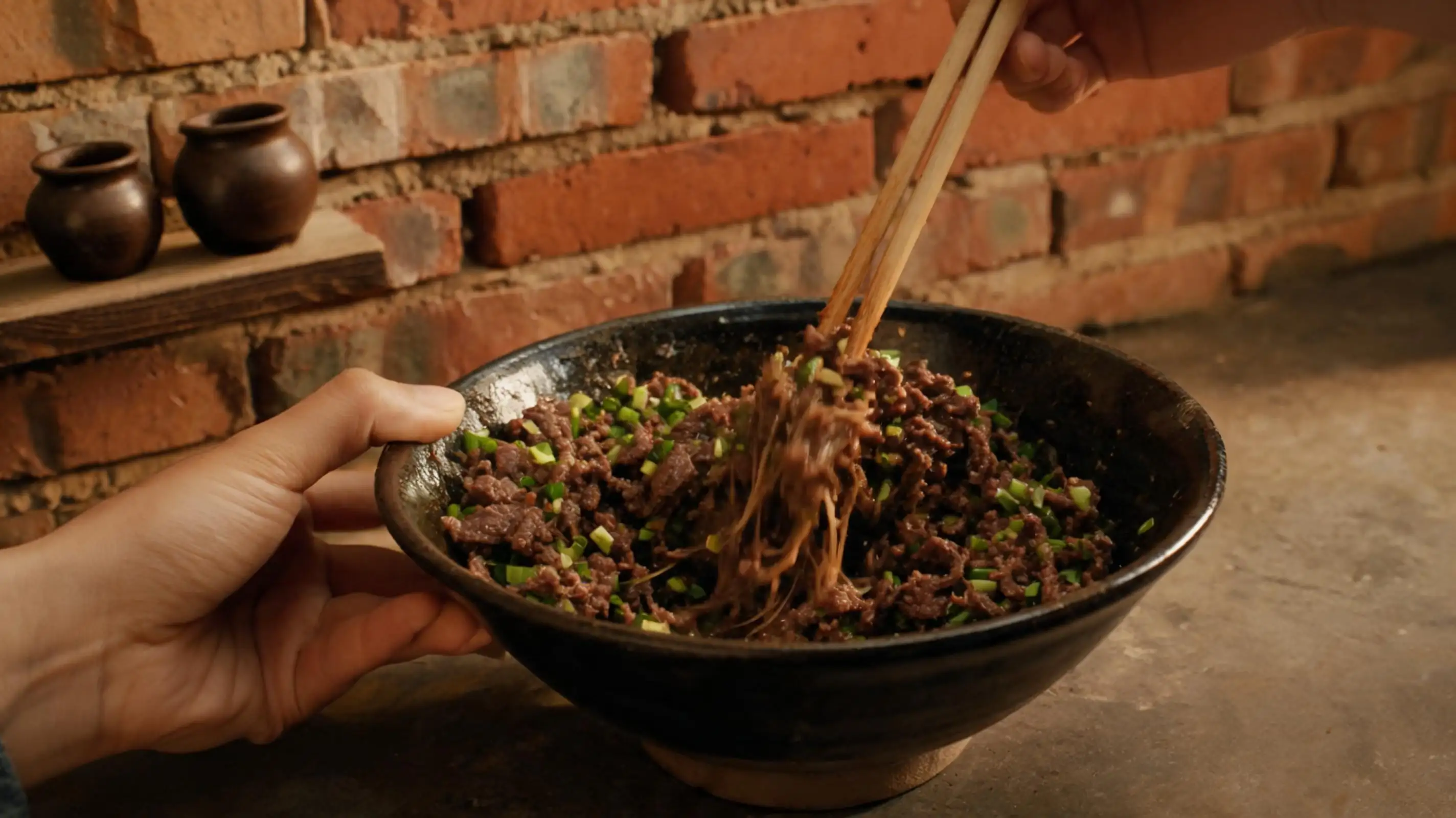
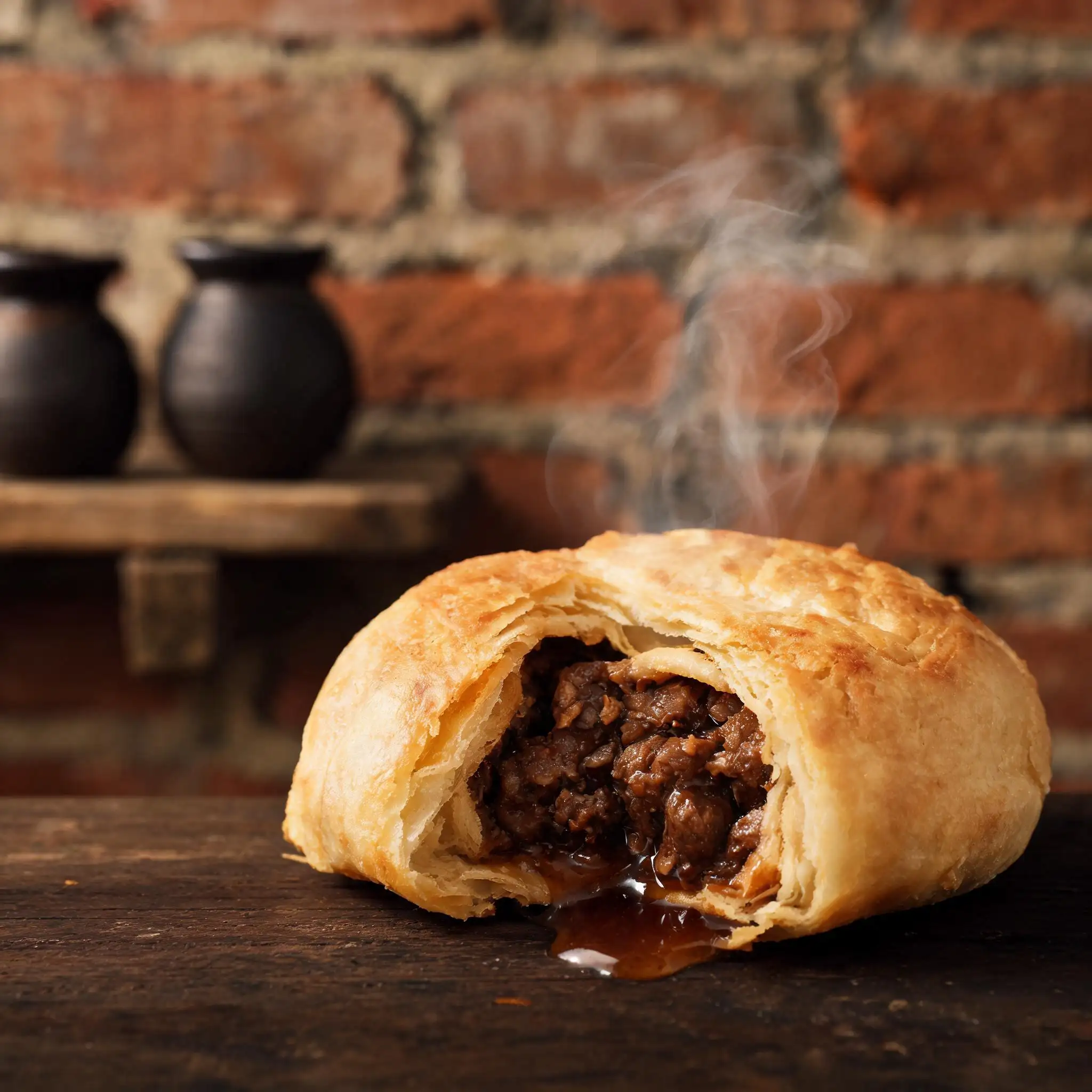
Coarsely minced beef — not too lean, enough fat to stay moist — is seasoned with dark soy sauce, sesame oil, and white pepper, then worked until it coheres. Finely chopped scallion goes in at the end, enough to perfume the meat without turning the filling wet. A practiced hand knows by feel when the mixture is right — when it holds its shape in a spoon but still looks alive.
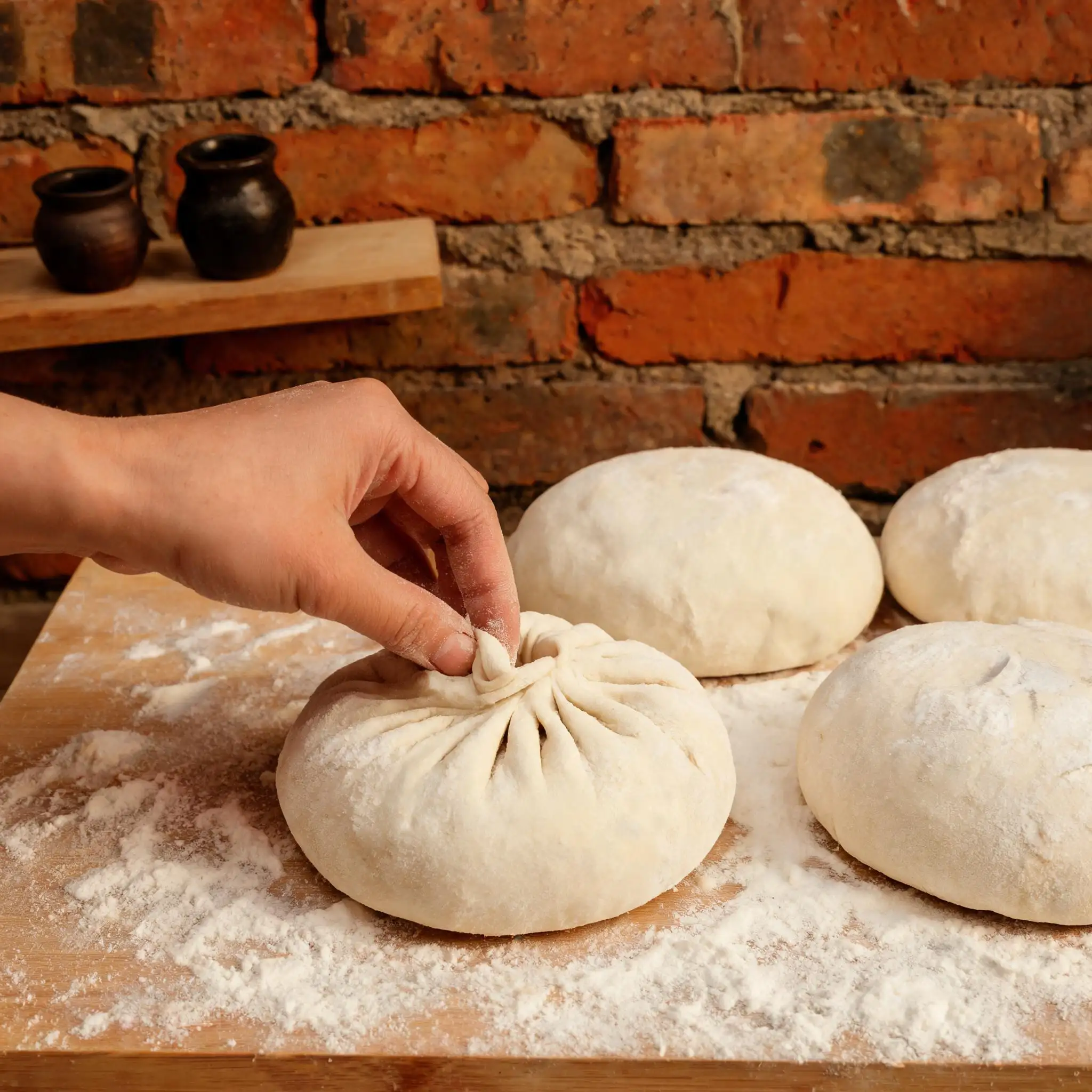
The dough is soft. It has to be soft — a stiff dough will crack when the filling expands in the pan, and a cracked pie loses its juice before you can eat it.
In the pan, the bottom takes the heat first. A thin film of oil in a flat iron skillet, medium flame, the pie placed sealed-side down. It fries without being touched for several minutes, the bottom crisping and coloring while the top steams. Then the flip — and the underside comes up golden, the crust intact, the dome still holding.
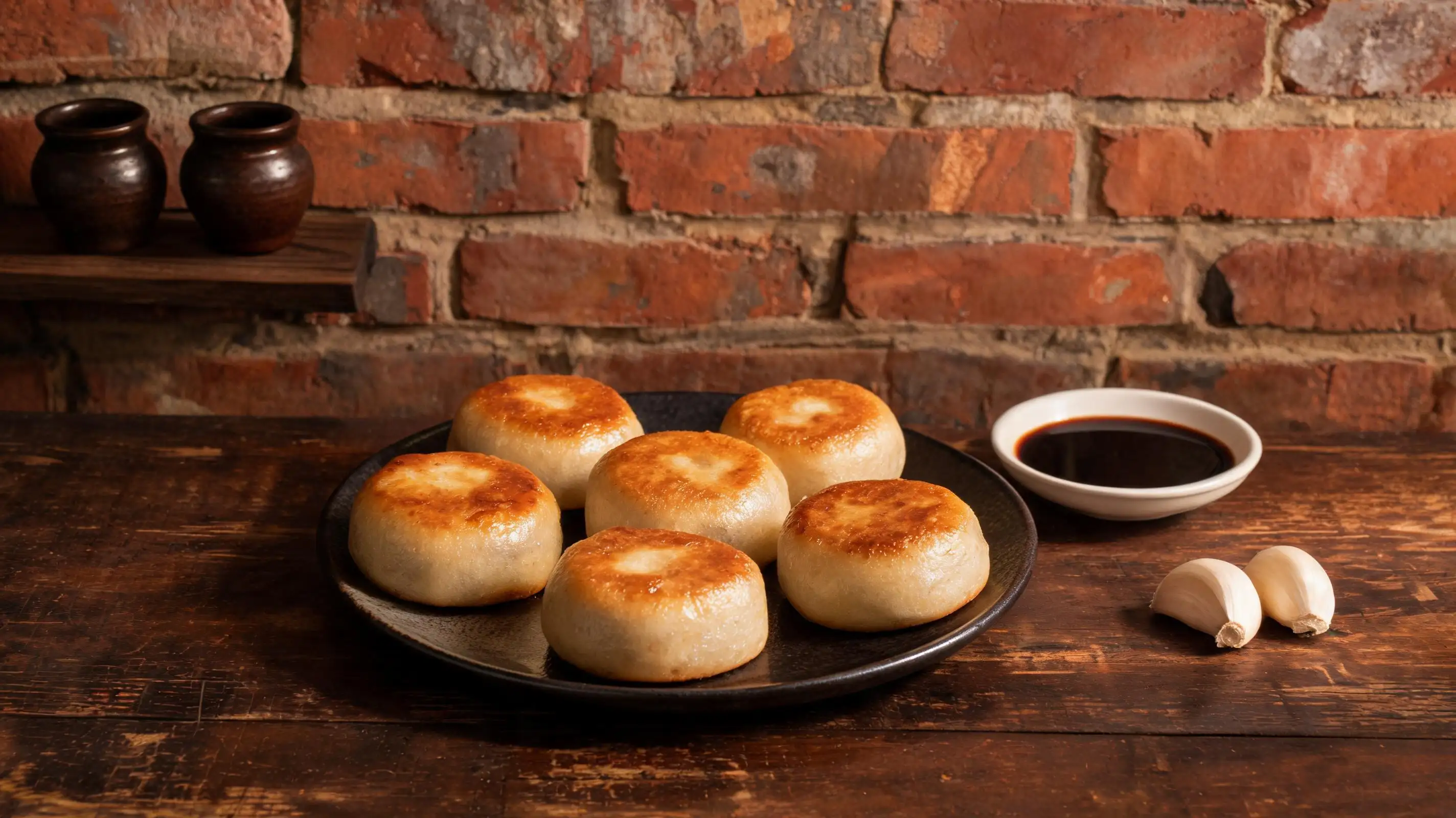
You eat it with black rice vinegar and raw garlic. The correct order is: bite first, then dip — never the other way, or the juice runs out onto the plate before you taste it.
The juice is the point.
In Beijing, the mending rou bing is morning food, lunch food, the kind of thing eaten standing at a stall counter with one hand around a paper sleeve and the other holding a small dish of vinegar. It is not refined. It is not meant to be.
It is named after palace architecture and eaten in the street. That is very Beijing.
---
**Ingredients**
- Beef — coarsely minced, not too lean
- Scallions (大葱), fresh ginger, dark soy sauce
- All-purpose flour dough — soft, slightly warm
- Sesame oil, salt, white pepper
- Black rice vinegar and raw garlic (to serve)
---
The name comes from the nails.
On the gates of the imperial palace in Beijing — on the Meridian Gate, on the Gate of Supreme Harmony, on every major entrance — there are rows of large brass studs arranged in a nine-by-nine grid. These are called 门钉, men ding: door nails. They are dome-shaped, thick, and perfectly round. Someone, at some point in Beijing's long history, made a meat pie that looked exactly like them, and the name stuck.
Mending Rou Bing is a pan-fried stuffed pie: beef and scallion filling inside a soft dough wrapper, pressed into a thick disc and fried until both sides are golden. But the shape is what sets it apart from other Beijing street pies — it is noticeably tall, noticeably round, built to hold a generous amount of filling. Where other pies flatten in the pan, the mending rou bing keeps its dome.
The filling is simpler than it sounds.
Coarsely minced beef — not too lean, enough fat to stay moist — is seasoned with dark soy sauce, sesame oil, and white pepper, then worked until it coheres. Finely chopped scallion goes in at the end, enough to perfume the meat without turning the filling wet. A practiced hand knows by feel when the mixture is right — when it holds its shape in a spoon but still looks alive.
The dough is soft. It has to be soft — a stiff dough will crack when the filling expands in the pan, and a cracked pie loses its juice before you can eat it.
In the pan, the bottom takes the heat first. A thin film of oil in a flat iron skillet, medium flame, the pie placed sealed-side down. It fries without being touched for several minutes, the bottom crisping and coloring while the top steams. Then the flip — and the underside comes up golden, the crust intact, the dome still holding.
You eat it with black rice vinegar and raw garlic. The correct order is: bite first, then dip — never the other way, or the juice runs out onto the plate before you taste it.
The juice is the point.
In Beijing, the mending rou bing is morning food, lunch food, the kind of thing eaten standing at a stall counter with one hand around a paper sleeve and the other holding a small dish of vinegar. It is not refined. It is not meant to be.
It is named after palace architecture and eaten in the street. That is very Beijing.