·5/19/2026
from
Dongzao
# Cangzhou Dongzao
---
**Ingredients**
- Dongzao (冬枣) — winter jujube, Cangzhou, Hebei
---
It ripens last.
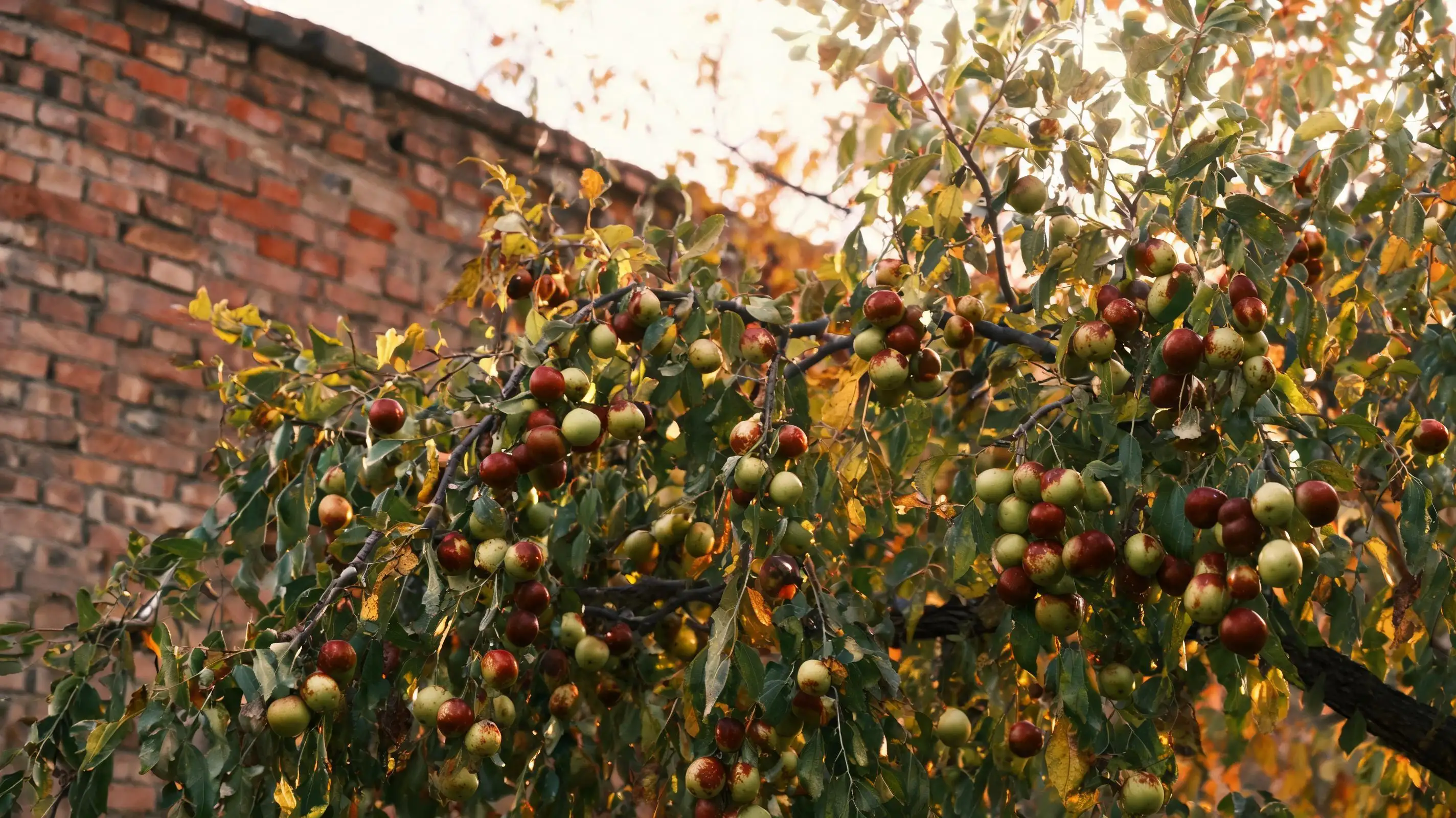
While other varieties of jujube have already been harvested and dried by September, the Cangzhou dongzao is still on the tree in October, still changing color, still accumulating sugar. The name — winter jujube — refers to this lateness, the fact that it comes after the season has turned, after the other fruit is gone, when the leaves have started falling and the light has gone thin and pale.
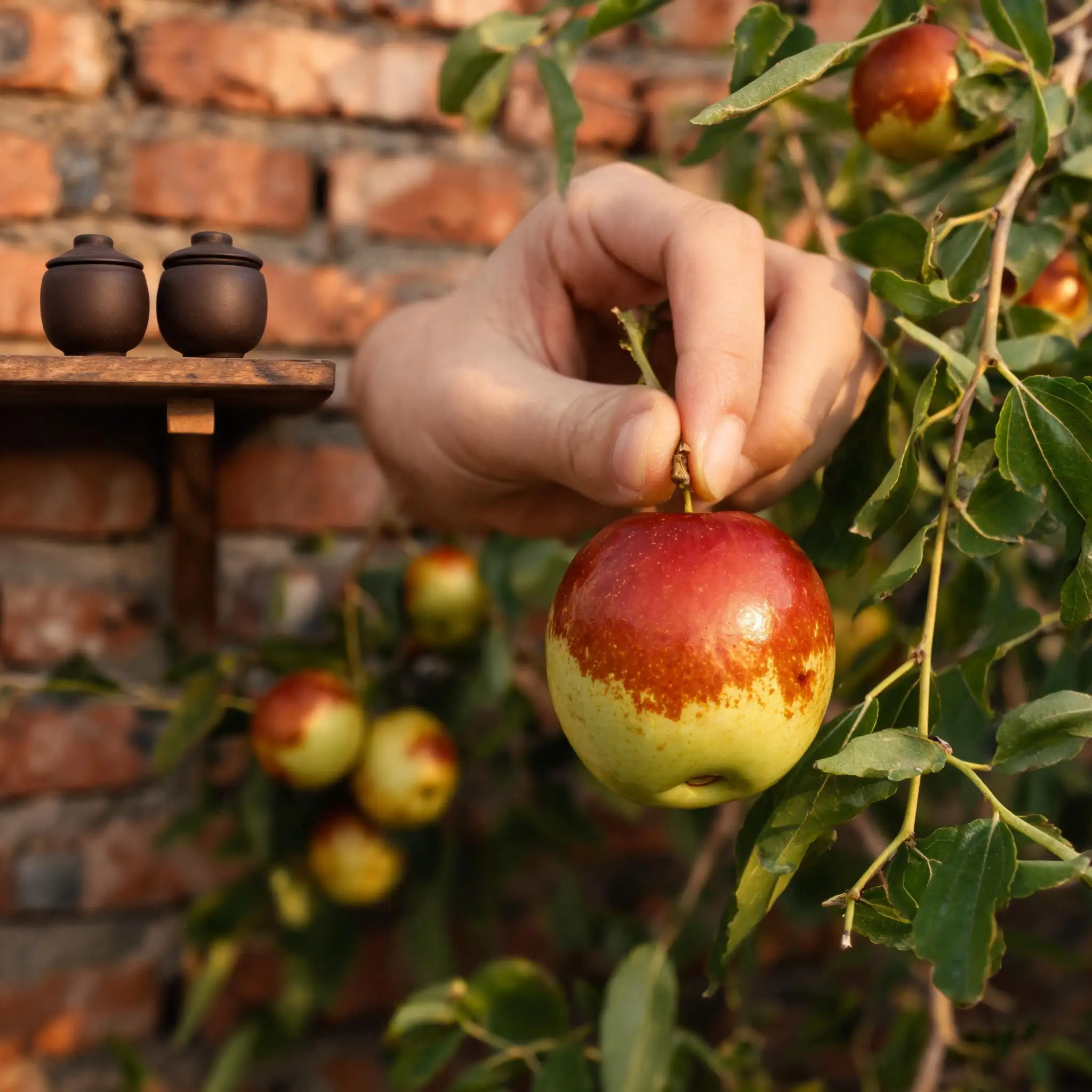
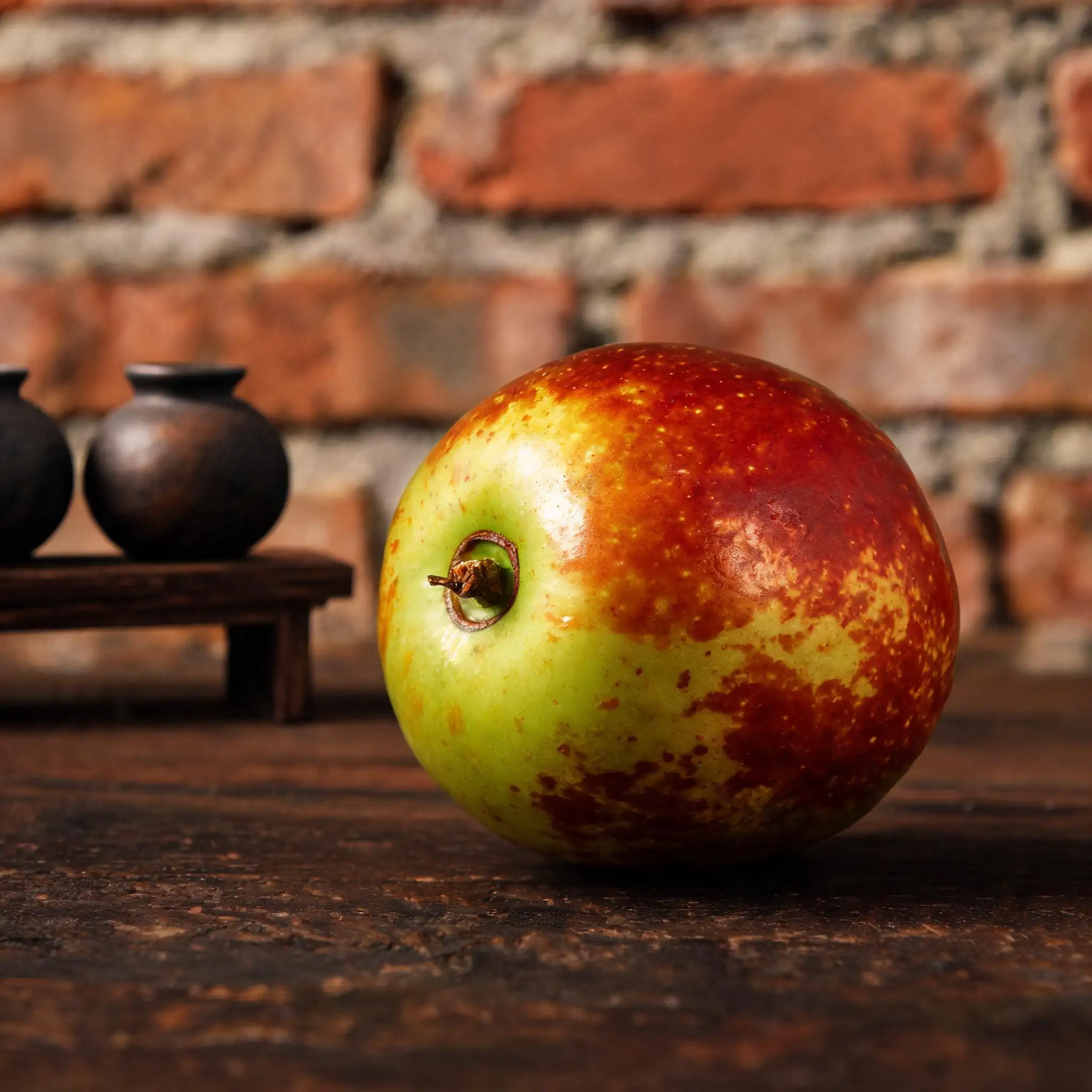
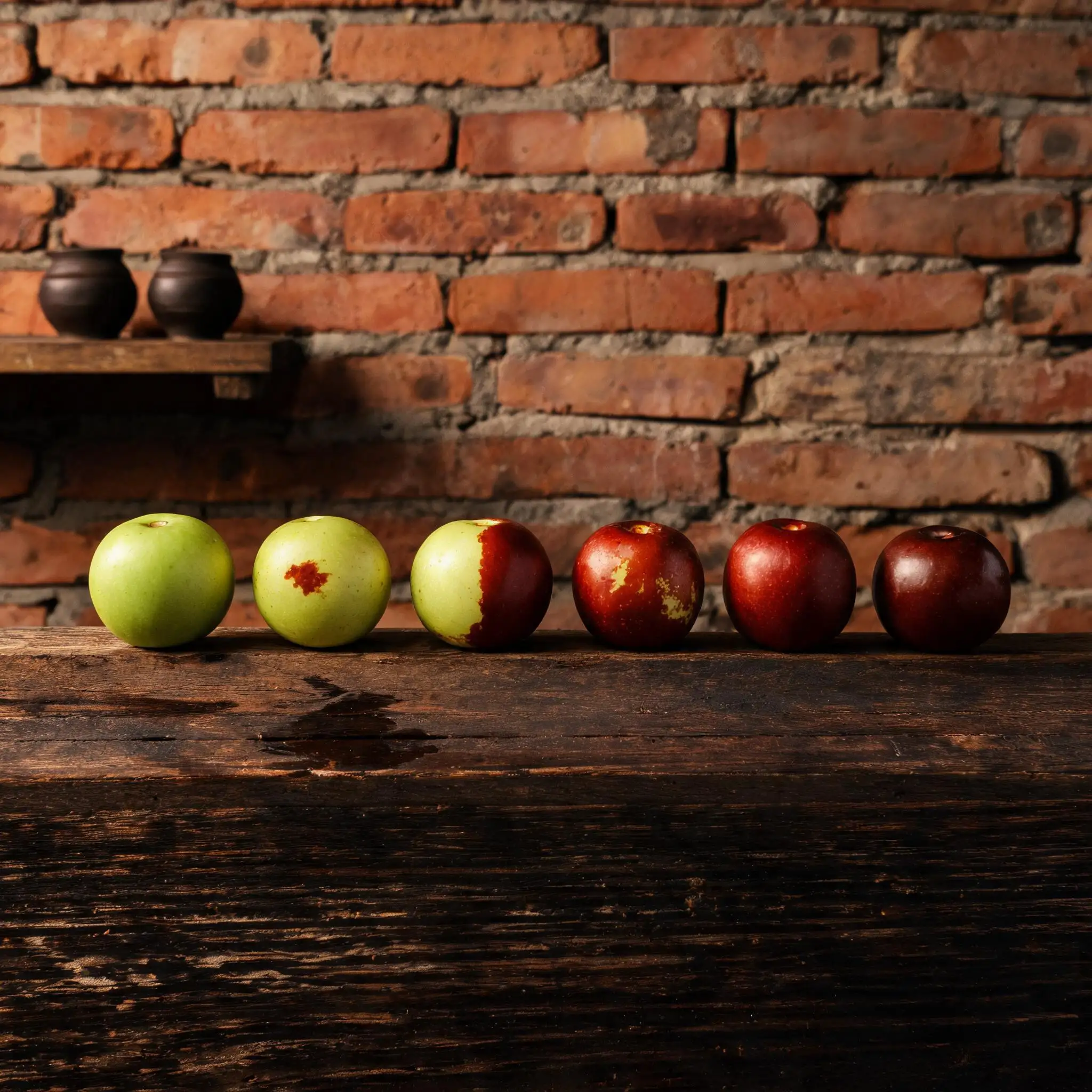
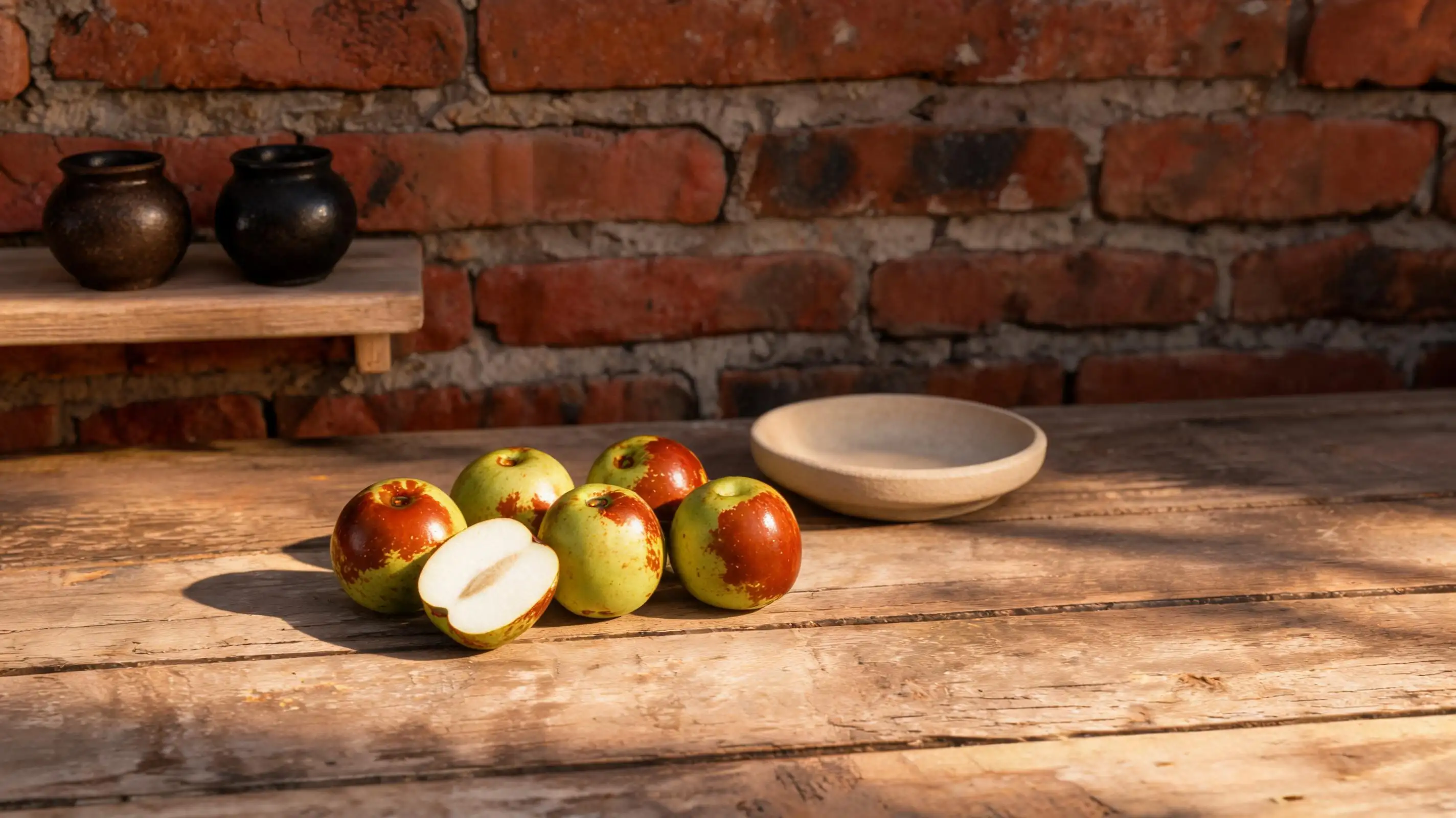
The color of a ripe dongzao is a reliable indicator of its interior. When the skin is still mostly green, the fruit is crisp but not yet sweet — more vegetable than fruit. As the red blush spreads upward from the equator toward the stem, the sugar content rises. A fruit that is half-green, half-red is at the beginning of its best window: crunchy, sweet, slightly tart at the edges. A fruit that has gone fully deep red is at peak sweetness, the flesh still firm but the juice nearly running when you bite through the skin. Beyond that — past the dark wine-red stage — the skin begins to wrinkle and the sweetness becomes cloying. The eating window is narrow.
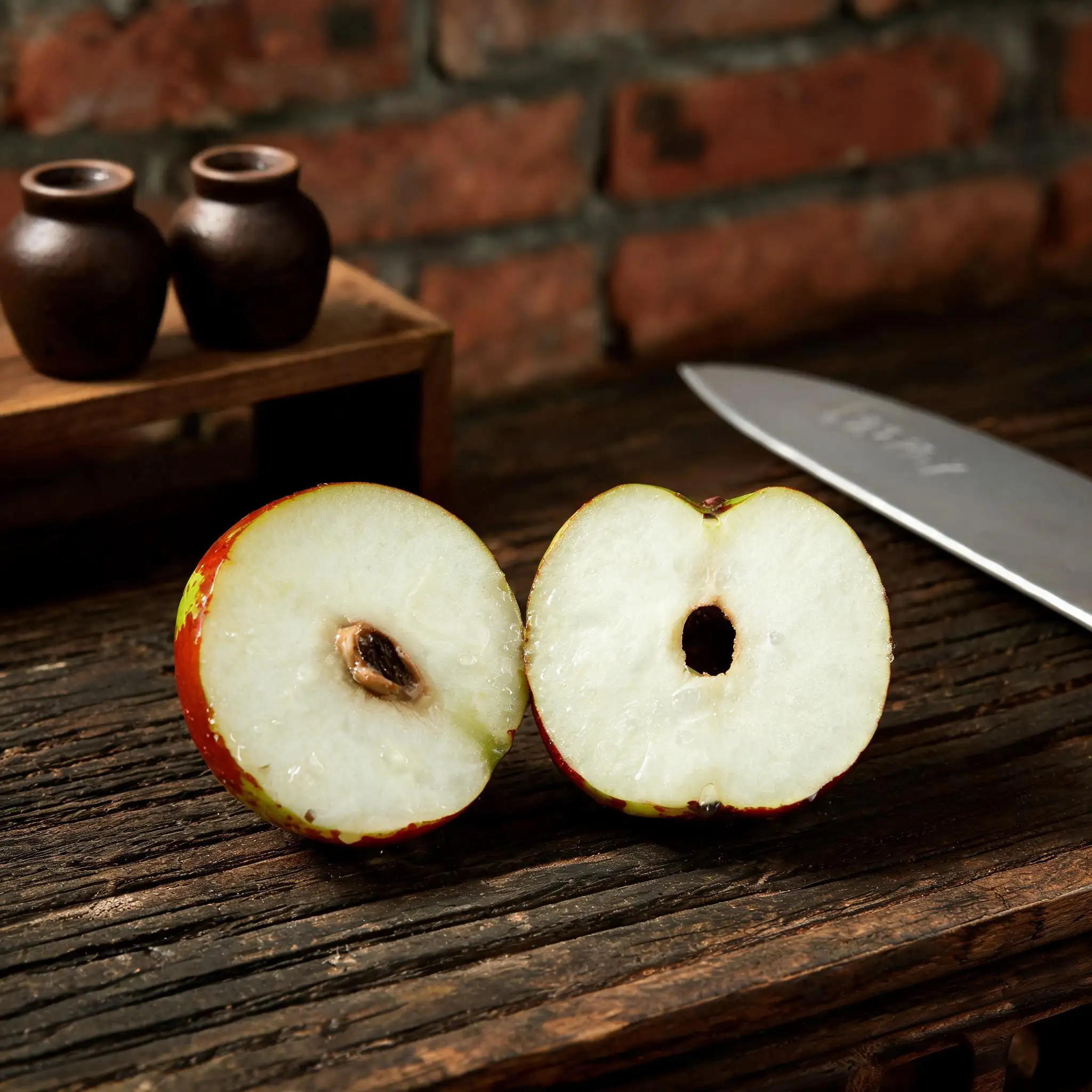
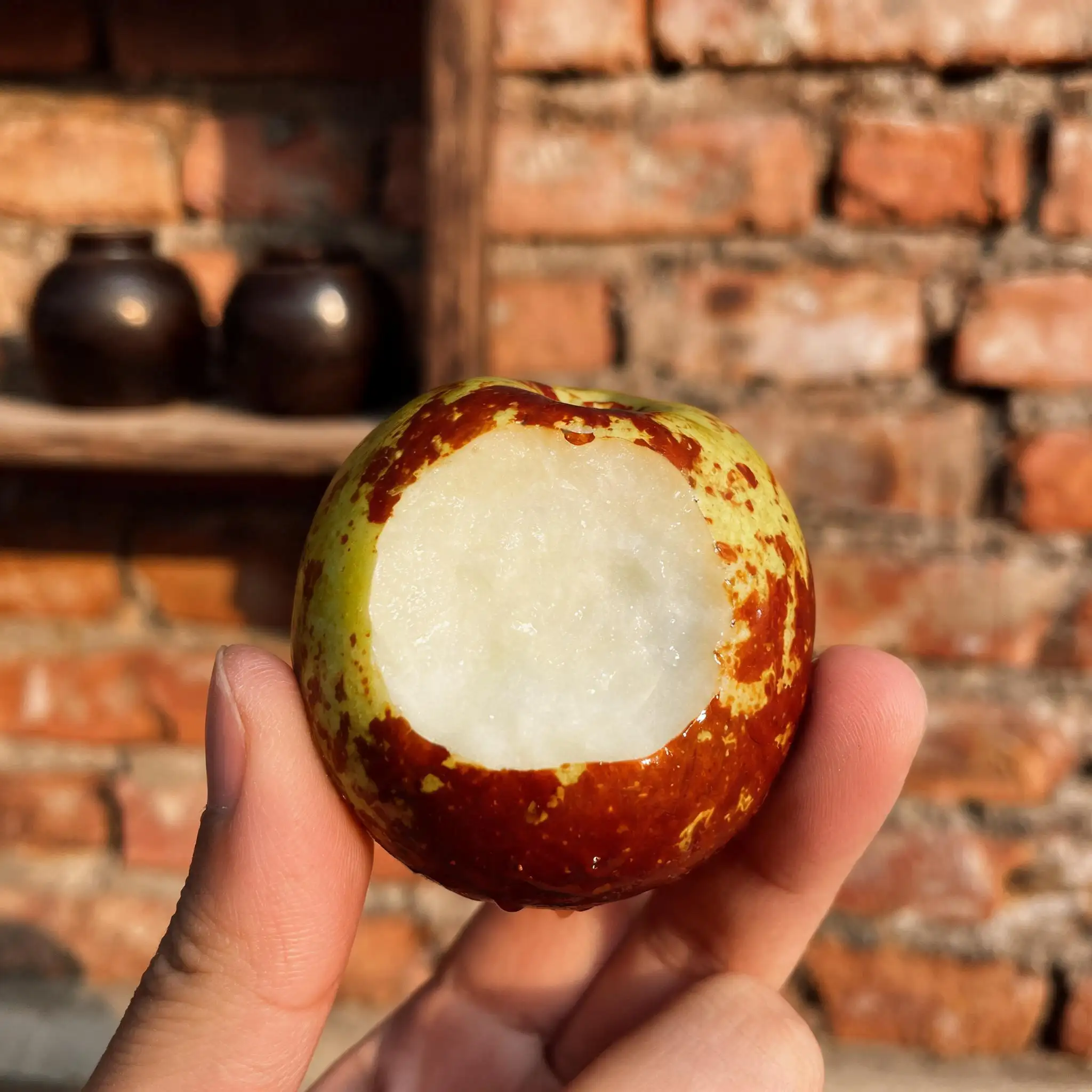
The flesh of a dongzao is white and fine-grained, dense and crisp in a way that reminds you, immediately, of a very good apple — but the flavor has no apple in it. It is clean sweetness with faint floral notes, no acid, very little tannin. The juice is substantial. When you bite into a properly ripe dongzao, the sound is audible.
Unlike most jujubes, the dongzao is not dried. It cannot be dried well — the flesh is too moist, too delicate, and loses its character in the process. It is a fresh fruit that is only itself fresh, and it travels poorly. A dongzao picked today and shipped to a city two provinces away arrives diminished — the skin intact but the flesh no longer what it was. The best way to eat one is in Cangzhou in October, standing in an orchard, reaching up.
The trees in the major growing areas — Huanghua, Haixing, Mengcun — are old. Some have been producing fruit for sixty, seventy, eighty years, their trunks rough and grey, their branches a dense tangle that filters the late-autumn light into patches. In a good year, a single mature tree yields two to three hundred jin of fruit. In a poor year — a summer drought, a wet autumn that splits the skin — the fruit is smaller, the color less vivid, the sweetness uneven.
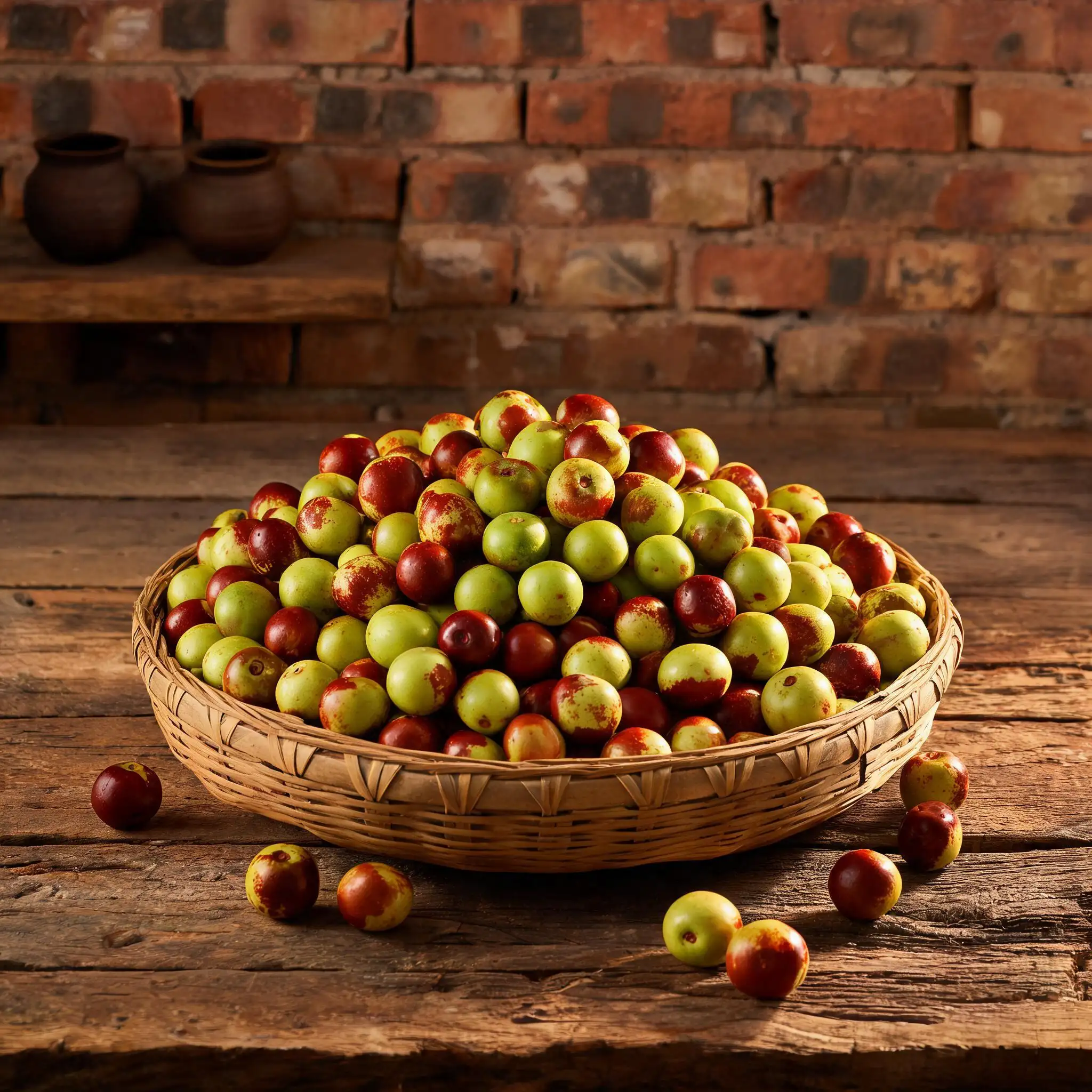
The harvest is done by hand. Mechanical shaking damages the fruit. Workers move through the orchard with ladders and baskets, picking each jujube individually, sorting as they go by color and size. At the end of the day, the baskets come out piled high with green-and-red fruit that will begin losing quality within forty-eight hours. It is among the most perishable harvests in Hebei.
Some things cannot be improved by being preserved.
---
**Ingredients**
- Dongzao (冬枣) — winter jujube, Cangzhou, Hebei
---
It ripens last.
While other varieties of jujube have already been harvested and dried by September, the Cangzhou dongzao is still on the tree in October, still changing color, still accumulating sugar. The name — winter jujube — refers to this lateness, the fact that it comes after the season has turned, after the other fruit is gone, when the leaves have started falling and the light has gone thin and pale.
The color of a ripe dongzao is a reliable indicator of its interior. When the skin is still mostly green, the fruit is crisp but not yet sweet — more vegetable than fruit. As the red blush spreads upward from the equator toward the stem, the sugar content rises. A fruit that is half-green, half-red is at the beginning of its best window: crunchy, sweet, slightly tart at the edges. A fruit that has gone fully deep red is at peak sweetness, the flesh still firm but the juice nearly running when you bite through the skin. Beyond that — past the dark wine-red stage — the skin begins to wrinkle and the sweetness becomes cloying. The eating window is narrow.
The flesh of a dongzao is white and fine-grained, dense and crisp in a way that reminds you, immediately, of a very good apple — but the flavor has no apple in it. It is clean sweetness with faint floral notes, no acid, very little tannin. The juice is substantial. When you bite into a properly ripe dongzao, the sound is audible.
Unlike most jujubes, the dongzao is not dried. It cannot be dried well — the flesh is too moist, too delicate, and loses its character in the process. It is a fresh fruit that is only itself fresh, and it travels poorly. A dongzao picked today and shipped to a city two provinces away arrives diminished — the skin intact but the flesh no longer what it was. The best way to eat one is in Cangzhou in October, standing in an orchard, reaching up.
The trees in the major growing areas — Huanghua, Haixing, Mengcun — are old. Some have been producing fruit for sixty, seventy, eighty years, their trunks rough and grey, their branches a dense tangle that filters the late-autumn light into patches. In a good year, a single mature tree yields two to three hundred jin of fruit. In a poor year — a summer drought, a wet autumn that splits the skin — the fruit is smaller, the color less vivid, the sweetness uneven.
The harvest is done by hand. Mechanical shaking damages the fruit. Workers move through the orchard with ladders and baskets, picking each jujube individually, sorting as they go by color and size. At the end of the day, the baskets come out piled high with green-and-red fruit that will begin losing quality within forty-eight hours. It is among the most perishable harvests in Hebei.
Some things cannot be improved by being preserved.