·5/19/2026
from
# Tianjin Goubuli Steamed Pork Buns
---
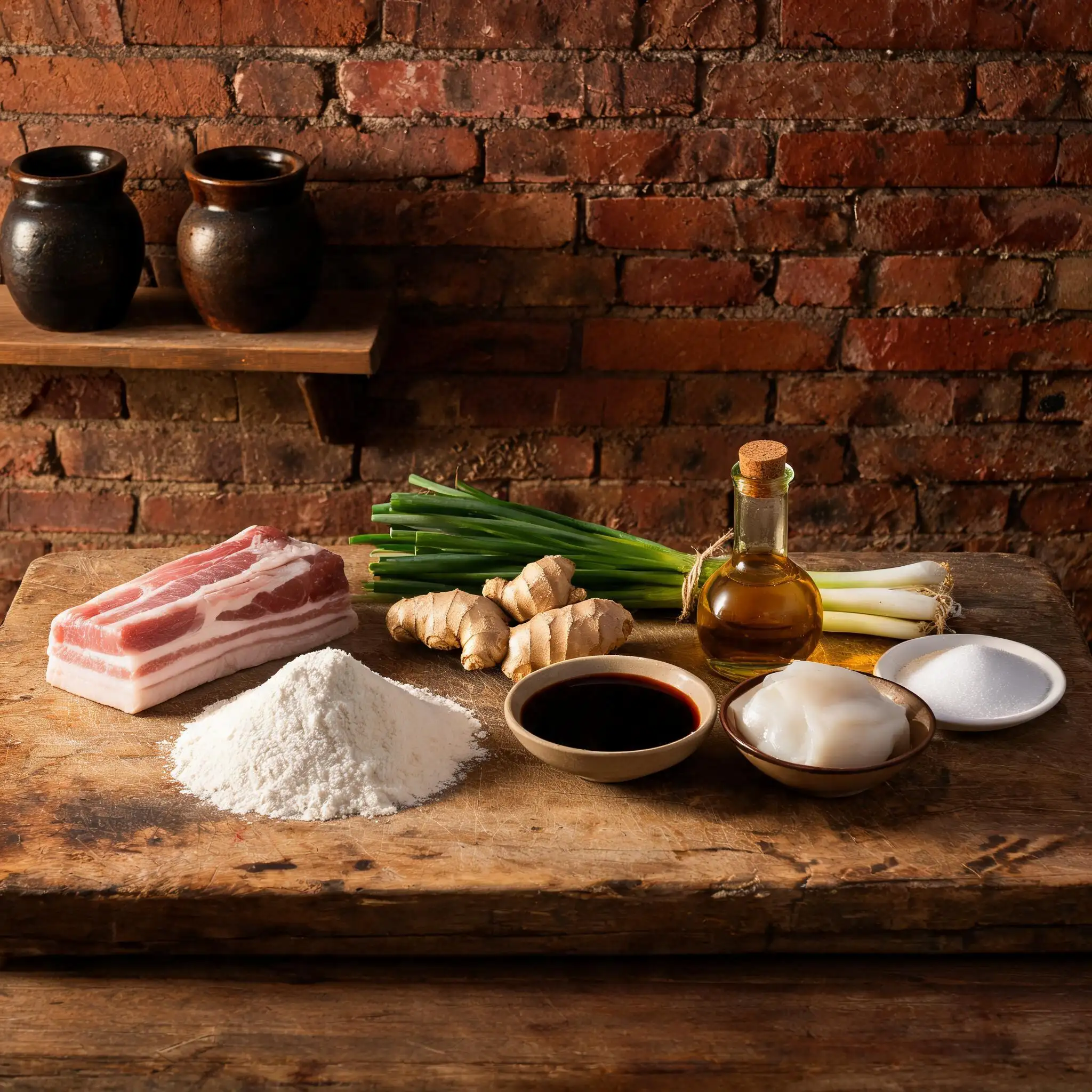
**Ingredients**
- All-purpose wheat flour
- Pork belly, hand-chopped — not ground
- Fresh ginger, minced fine
- Scallions, minced
- Soy sauce
- Sesame oil
- Lard
- Salt
---
The shop opened in 1858. The man who started it had a nickname — Gouzi, meaning "the dog." He was so focused on making buns that he stopped responding to customers who called out to him. The name stuck, and eventually became the name of the buns themselves: *Goubuli* — the dog ignores you.
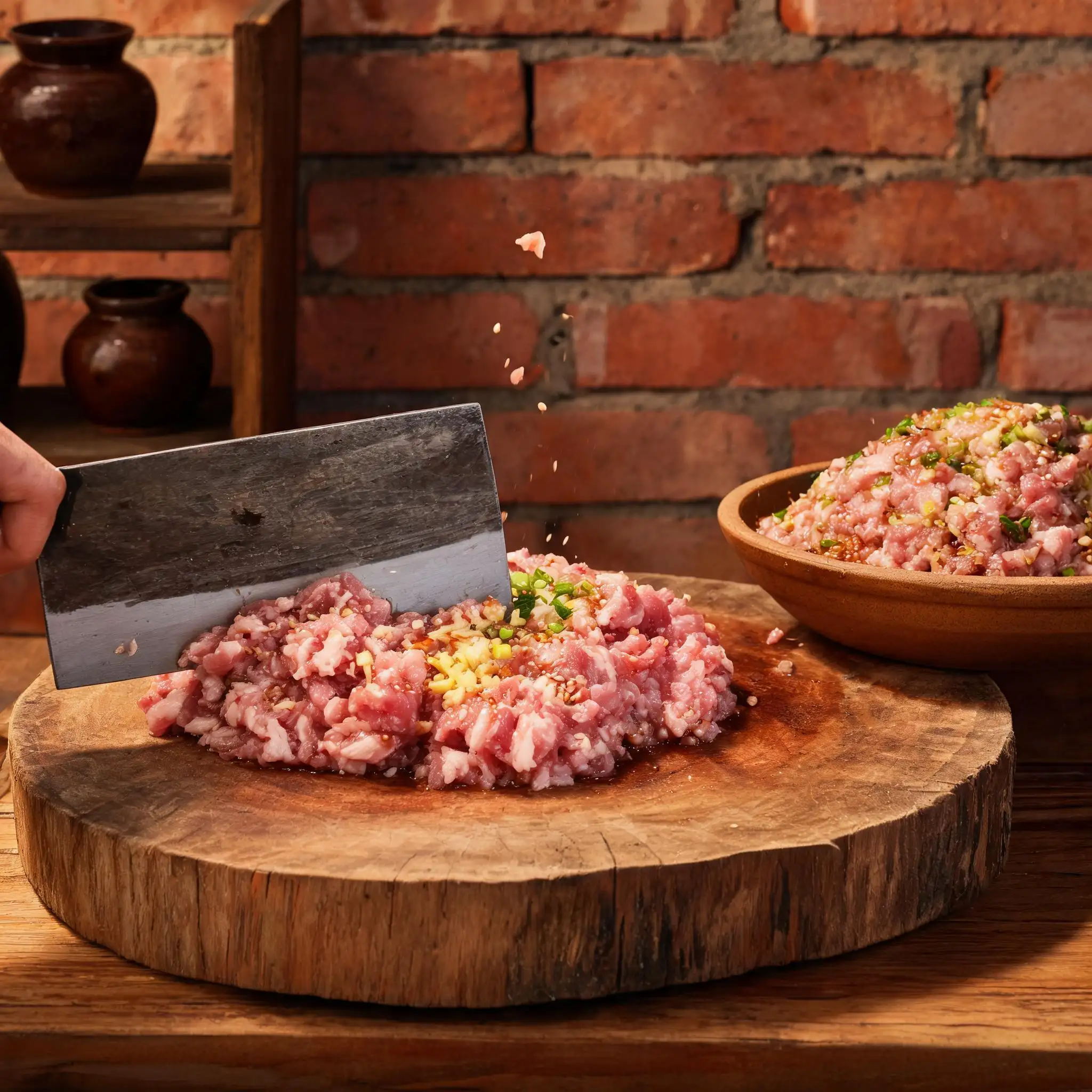
There are two doughs to consider, but the filling comes first. Pork belly, hand-chopped until it reaches the consistency of a rough paste — not too fine, not too coarse. Ginger and scallion go in, then soy sauce added gradually while stirring so the meat absorbs it rather than sits in it. Sesame oil last, folded through until the mixture holds together and glistens. The smell at this point tells you whether you've seasoned it correctly.
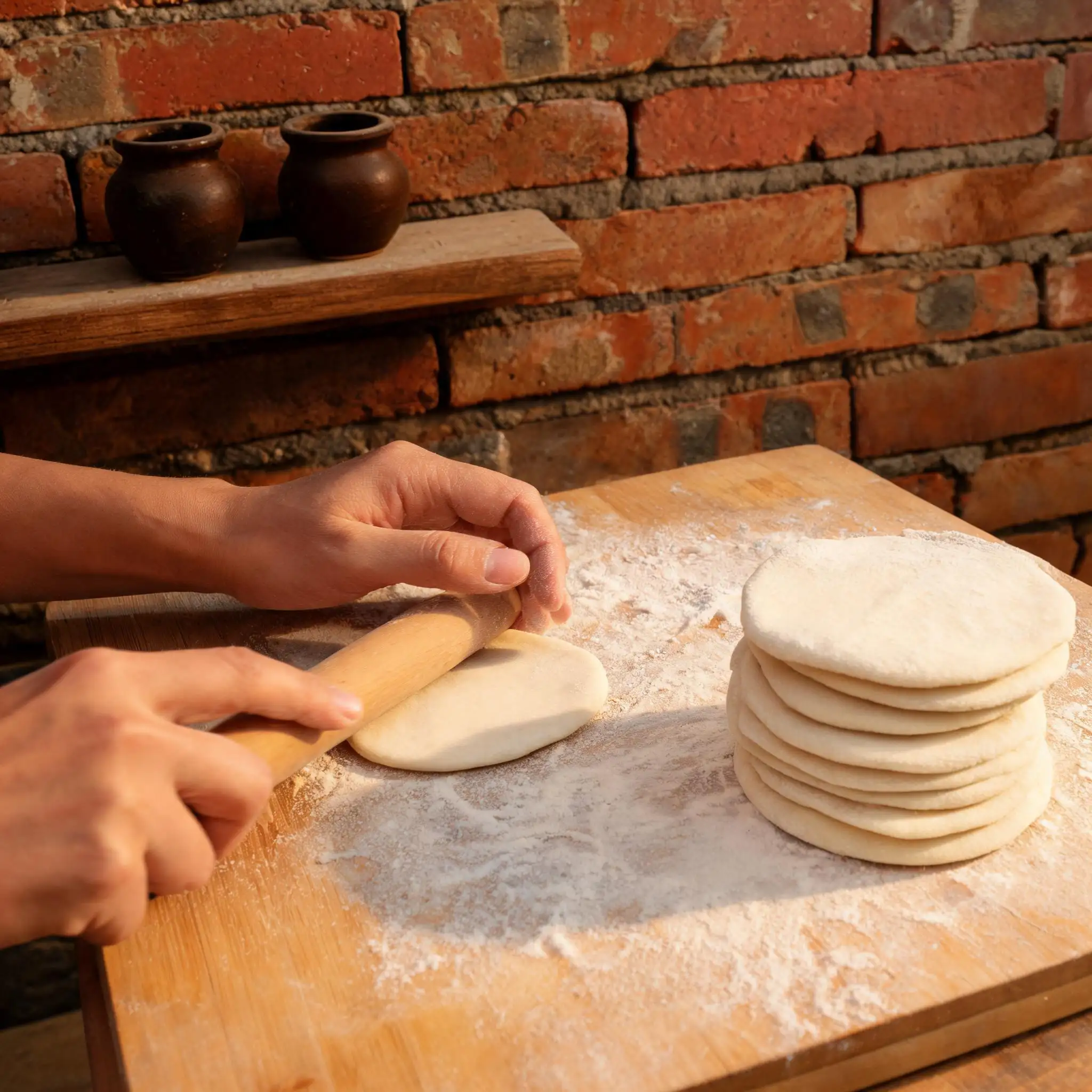
The wrapper dough is soft and white, worked until smooth, then rested. Divided into small pieces, each one rolled into a circle that is thick at the center and thin at the edge — this matters because the center needs to hold the filling without tearing, and the edge needs to be pliable enough to pleat.
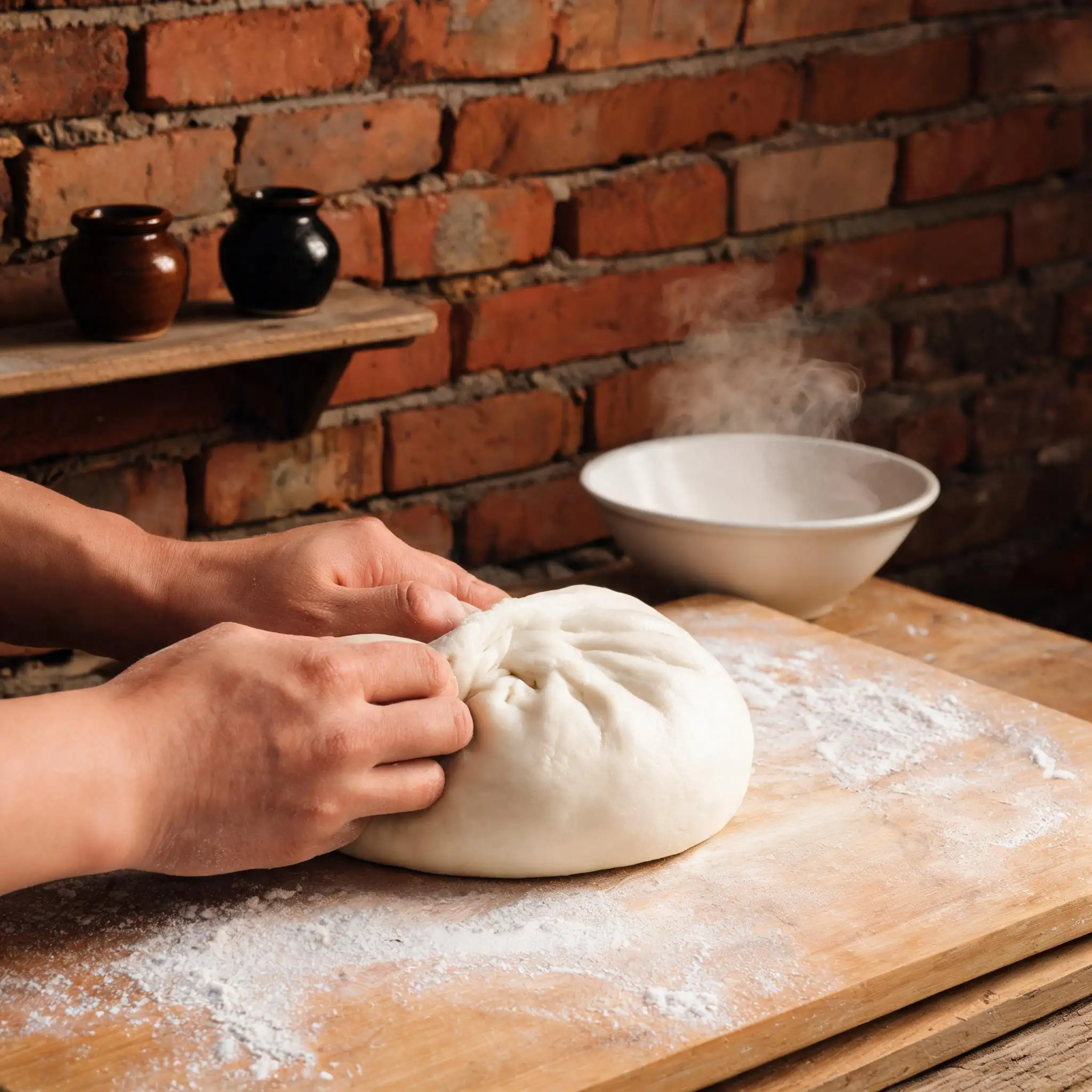
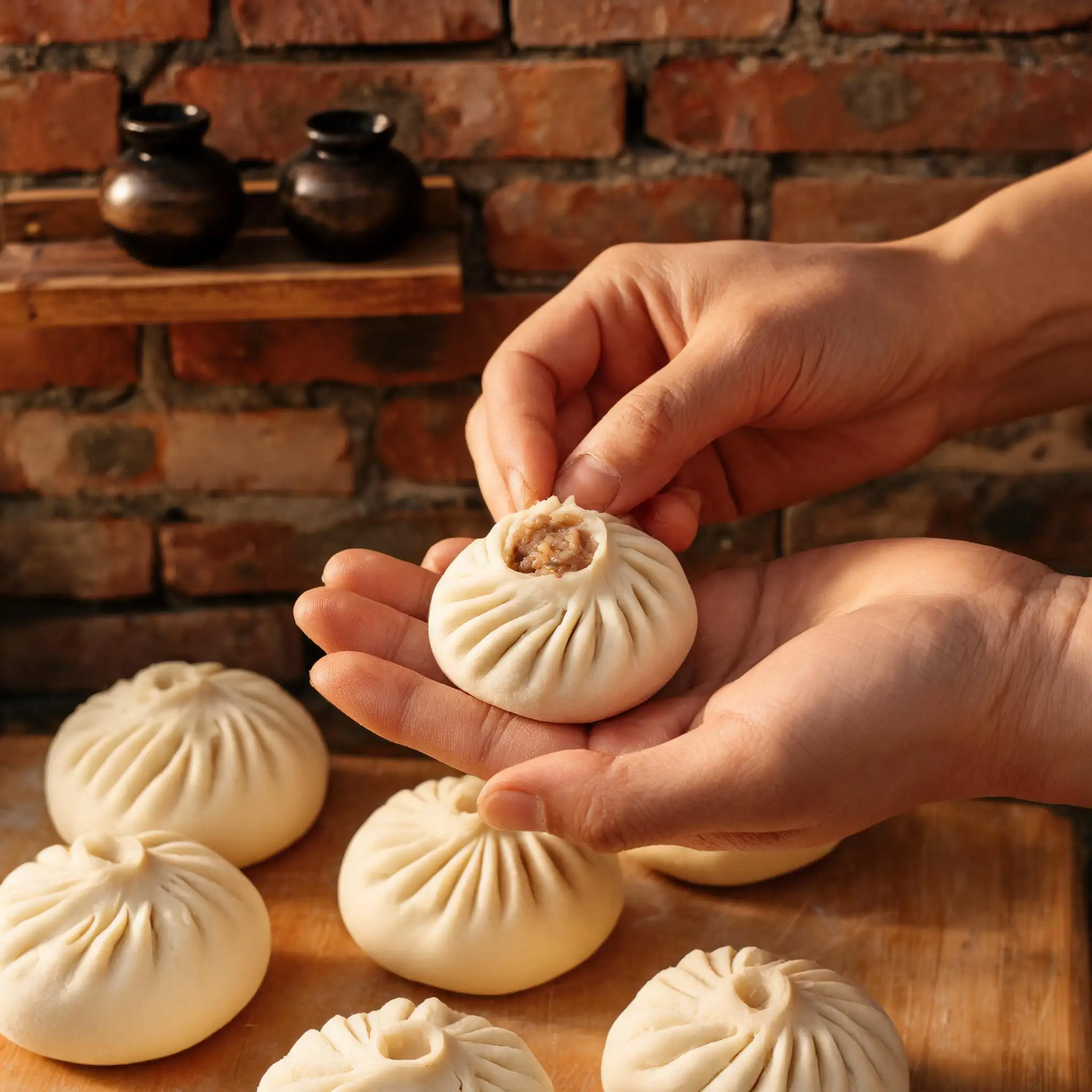
The pleating is the thing. Eighteen folds, exactly, pinched and rotated around the top of each bun in a uniform spiral. Done correctly the result looks like a chrysanthemum — tight, even, closed at the top with a small twist. Done incorrectly it looks like everything else. There is no trick to it beyond repetition; most people who work in the shop have made this fold ten thousand times.
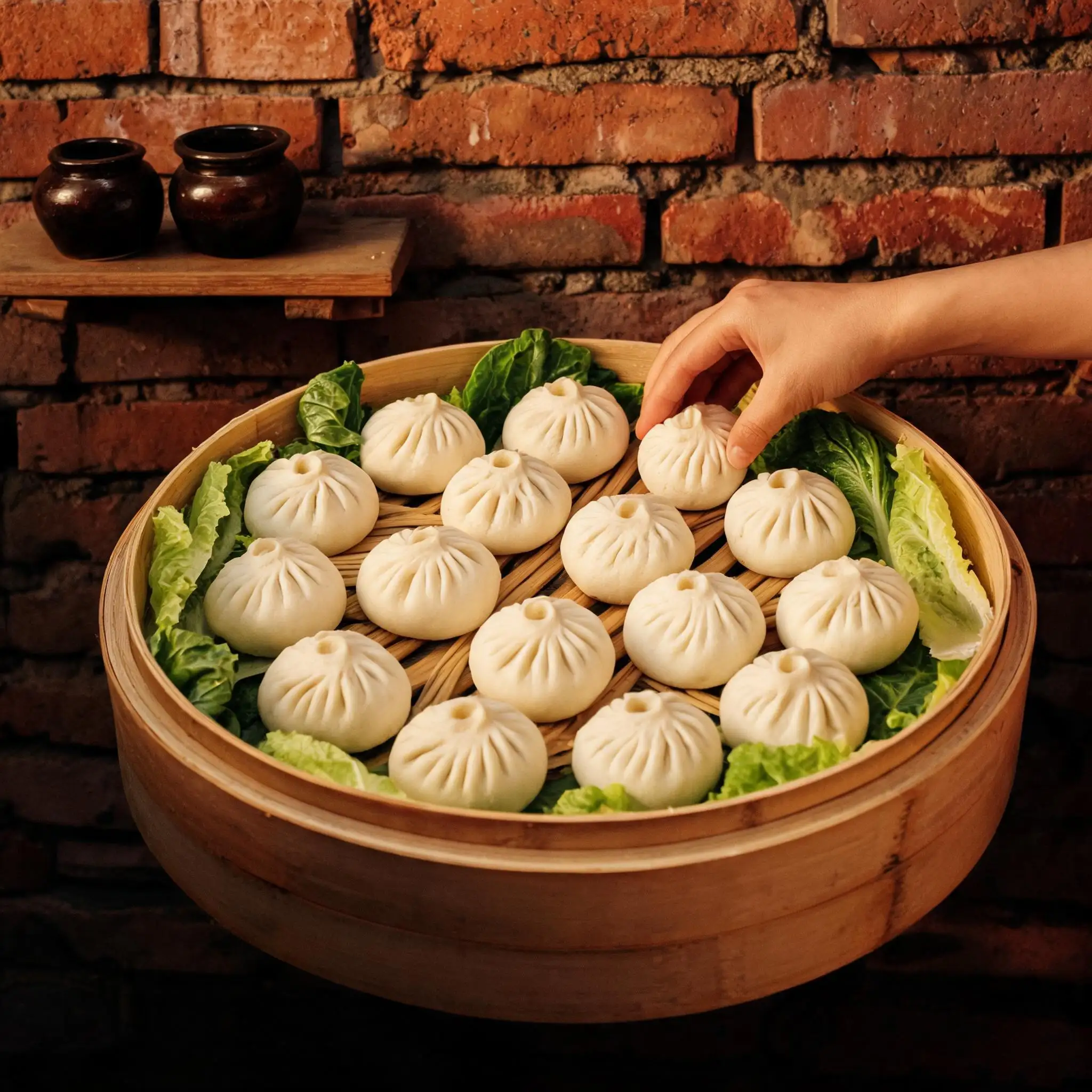
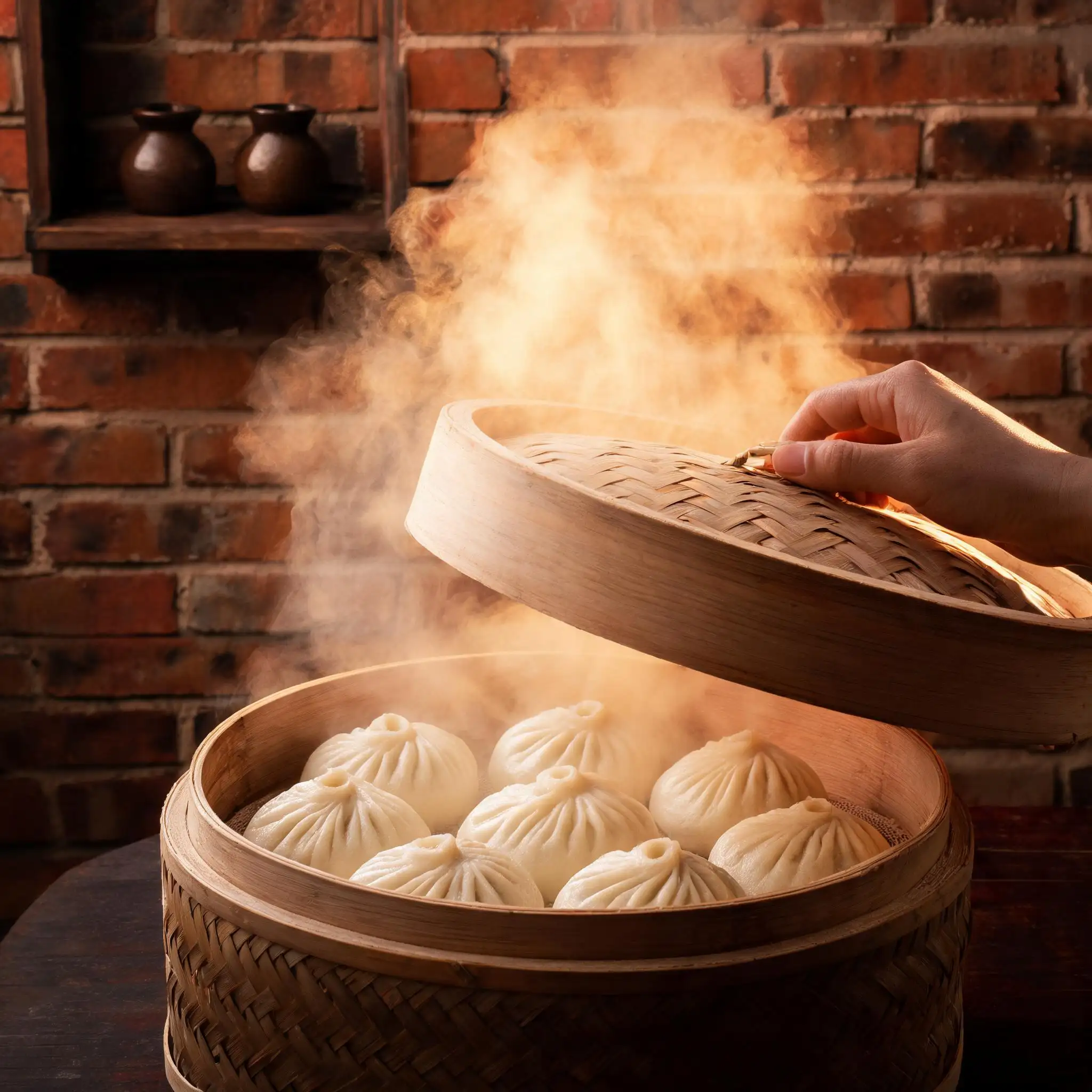
The buns go into bamboo steamers lined with cabbage leaves. They need space — they expand as they cook. The lid goes on over boiling water and stays on for twelve minutes. When you lift it, the steam comes out fast and the buns are swollen and shining, the skin slightly translucent where it pulled taut over the filling.
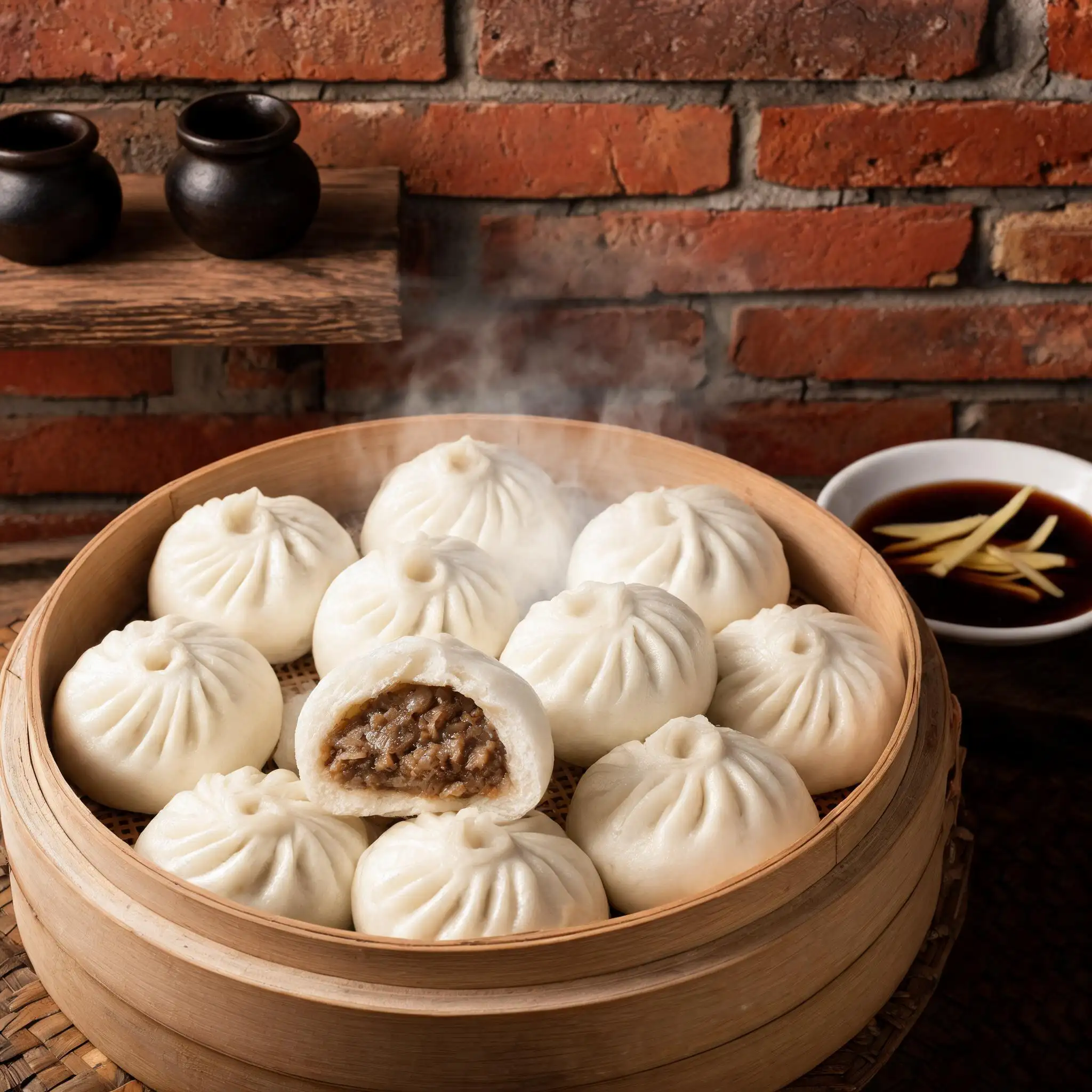
Eat them with dark vinegar and shredded ginger. The vinegar cuts through the fat; the ginger warms the stomach. The bun itself is soft on the outside and yielding in the center, the filling compact and juicy, the sesame oil still present in the finish. They are best within the first two minutes out of the steamer, before the skin begins to firm up.
The shop still exists. People still line up for them. The fold count has not changed.
---
**Ingredients**
- All-purpose wheat flour
- Pork belly, hand-chopped — not ground
- Fresh ginger, minced fine
- Scallions, minced
- Soy sauce
- Sesame oil
- Lard
- Salt
---
The shop opened in 1858. The man who started it had a nickname — Gouzi, meaning "the dog." He was so focused on making buns that he stopped responding to customers who called out to him. The name stuck, and eventually became the name of the buns themselves: *Goubuli* — the dog ignores you.
There are two doughs to consider, but the filling comes first. Pork belly, hand-chopped until it reaches the consistency of a rough paste — not too fine, not too coarse. Ginger and scallion go in, then soy sauce added gradually while stirring so the meat absorbs it rather than sits in it. Sesame oil last, folded through until the mixture holds together and glistens. The smell at this point tells you whether you've seasoned it correctly.
The wrapper dough is soft and white, worked until smooth, then rested. Divided into small pieces, each one rolled into a circle that is thick at the center and thin at the edge — this matters because the center needs to hold the filling without tearing, and the edge needs to be pliable enough to pleat.
The pleating is the thing. Eighteen folds, exactly, pinched and rotated around the top of each bun in a uniform spiral. Done correctly the result looks like a chrysanthemum — tight, even, closed at the top with a small twist. Done incorrectly it looks like everything else. There is no trick to it beyond repetition; most people who work in the shop have made this fold ten thousand times.
The buns go into bamboo steamers lined with cabbage leaves. They need space — they expand as they cook. The lid goes on over boiling water and stays on for twelve minutes. When you lift it, the steam comes out fast and the buns are swollen and shining, the skin slightly translucent where it pulled taut over the filling.
Eat them with dark vinegar and shredded ginger. The vinegar cuts through the fat; the ginger warms the stomach. The bun itself is soft on the outside and yielding in the center, the filling compact and juicy, the sesame oil still present in the finish. They are best within the first two minutes out of the steamer, before the skin begins to firm up.
The shop still exists. People still line up for them. The fold count has not changed.
111