·5/13/2026
from
HÚN DUN
# · HÚN DUN ·
## Wonton — The Morning Bowl That Starts a Neighborhood
> Four in the morning, flour dust still in the air
> A thin layer of soy sauce at the bottom of a chipped bowl
> By seven, the line is already out the door
---
## Ingredients
| Item | Amount |
|------|--------|
| Pork shoulder (30% fat) | 500g |
| Wonton wrappers (hand-cut) | ~80 pieces |
| Dried shrimp skin | 2 tbsp |
| Dried seaweed | 1 small handful |
| Fresh cilantro | 1 small bunch |
| Scallions | 4-5 stalks |
| Ginger | 1 thumb-sized piece |
| Light soy sauce | 2 tbsp |
| Chinkiang vinegar | 1 tbsp |
| Sesame oil | 1 tsp |
| Salt, white pepper, Shaoxing wine | to taste |
> Yields ~4 bowls · Best served piping hot, right after the broth hits the bowl · Leftovers don't work — wontons swell and split if they sit
---
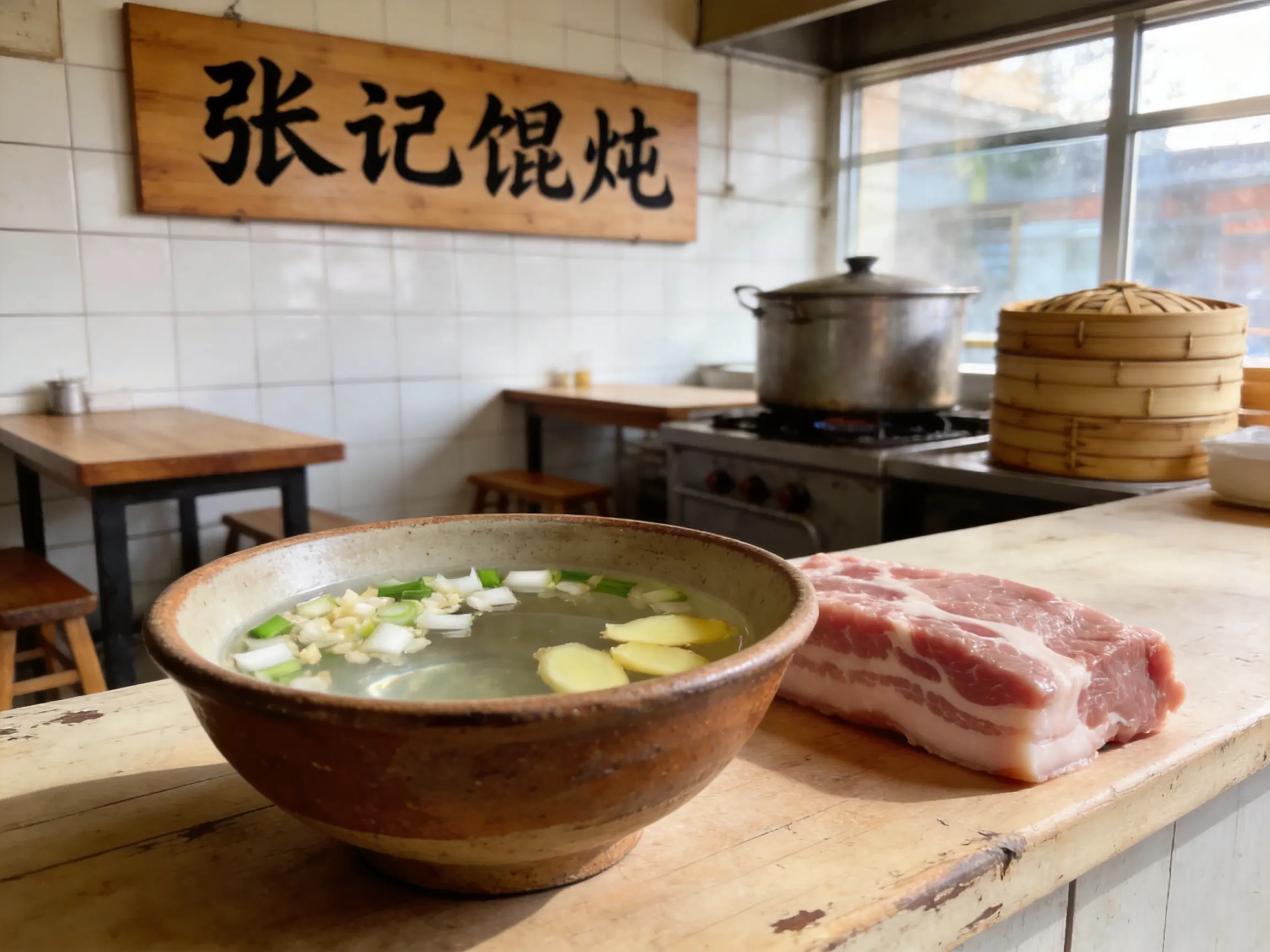
## Step 1 · The Scallion Water
### Soaking the aromatics
**Scallions and ginger go into warm water, not hot.** You want the flavor to seep out slowly over ten minutes, not boil away in one rush. Crush the scallion whites with the back of a knife — just enough to crack them open. The water turns faintly green and smells like a wet garden after rain.
**Don't skip the resting time.** Instant scallion water tastes sharp and raw. Give it ten minutes and it goes sweet.
> ⚠️ Never use boiling water — it cooks the scallions and turns the flavor flat and bitter
---
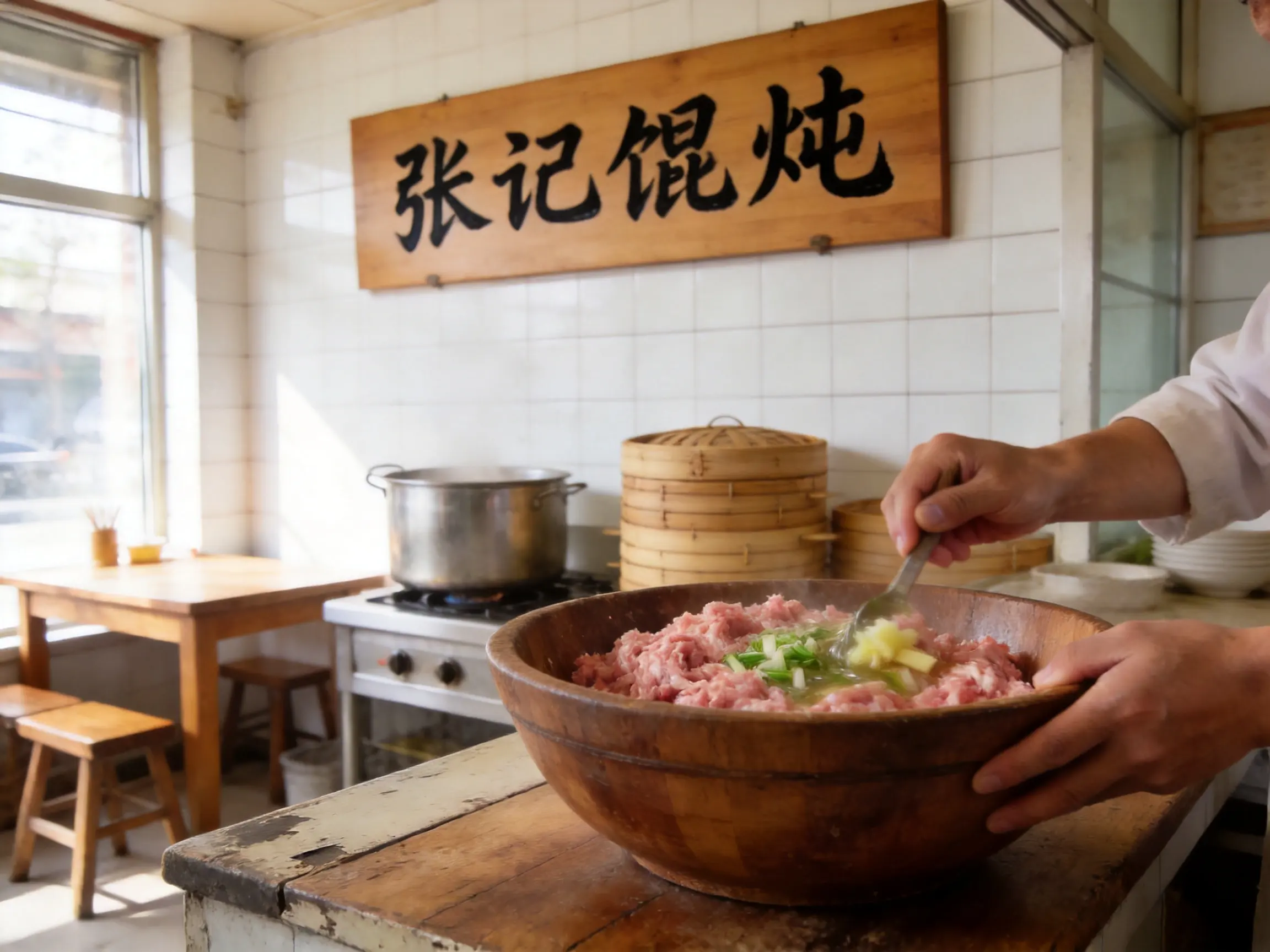
## Step 2 · The Filling
### Working the meat by hand
**Pork shoulder, thirty percent fat, no leaner.** The fat is what keeps the filling from going dry and chalky. Mince it fine — not paste, you still want some texture. Then add the scallion-ginger water a ladle at a time, stirring in one direction until the meat drinks it all up and gets glossy.
**One direction only.** Stir clockwise or counter-clockwise, but don't switch. The protein fibers line up that way and the filling holds together when you boil it. Switch directions and it falls apart in the pot.
> ⚠️ Don't add egg to the filling — traditional Beijing wonton doesn't use it, and it makes the texture too bouncy
---
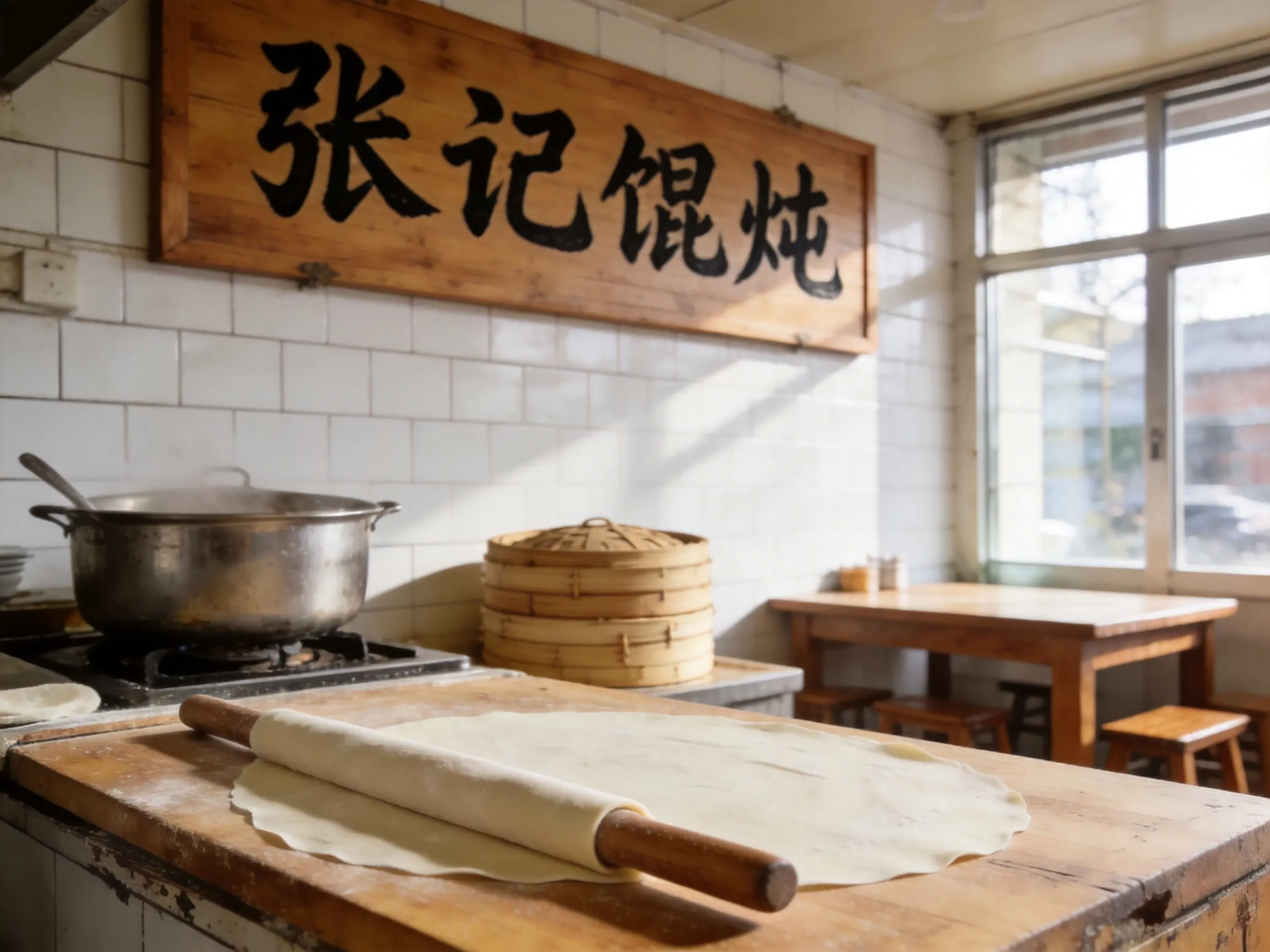
## Step 3 · The Dough
### Rolling the wrapper sheet
**Flour, water, a pinch of salt.** That's all. Mix until it comes together into a stiff ball — stiffer than you think, because you're going to roll it paper-thin. Rest it for twenty minutes under a damp cloth. The gluten relaxes and the dough stops fighting the rolling pin.
**Roll from the center outward,** turning the sheet a quarter turn each pass. You want it translucent — you should be able to read a newspaper through it.
---
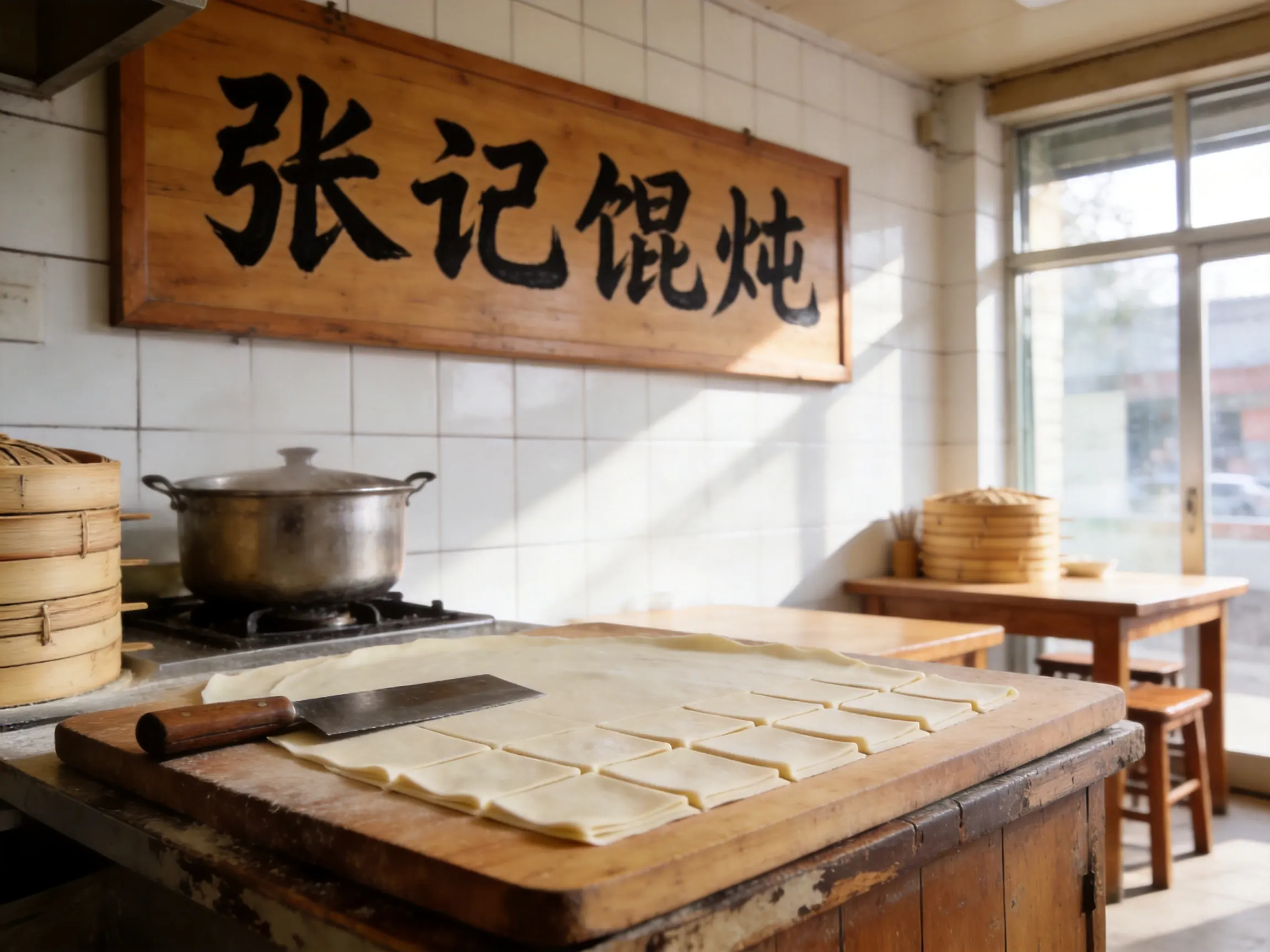
## Step 4 · The Cut
### Squaring the wrappers
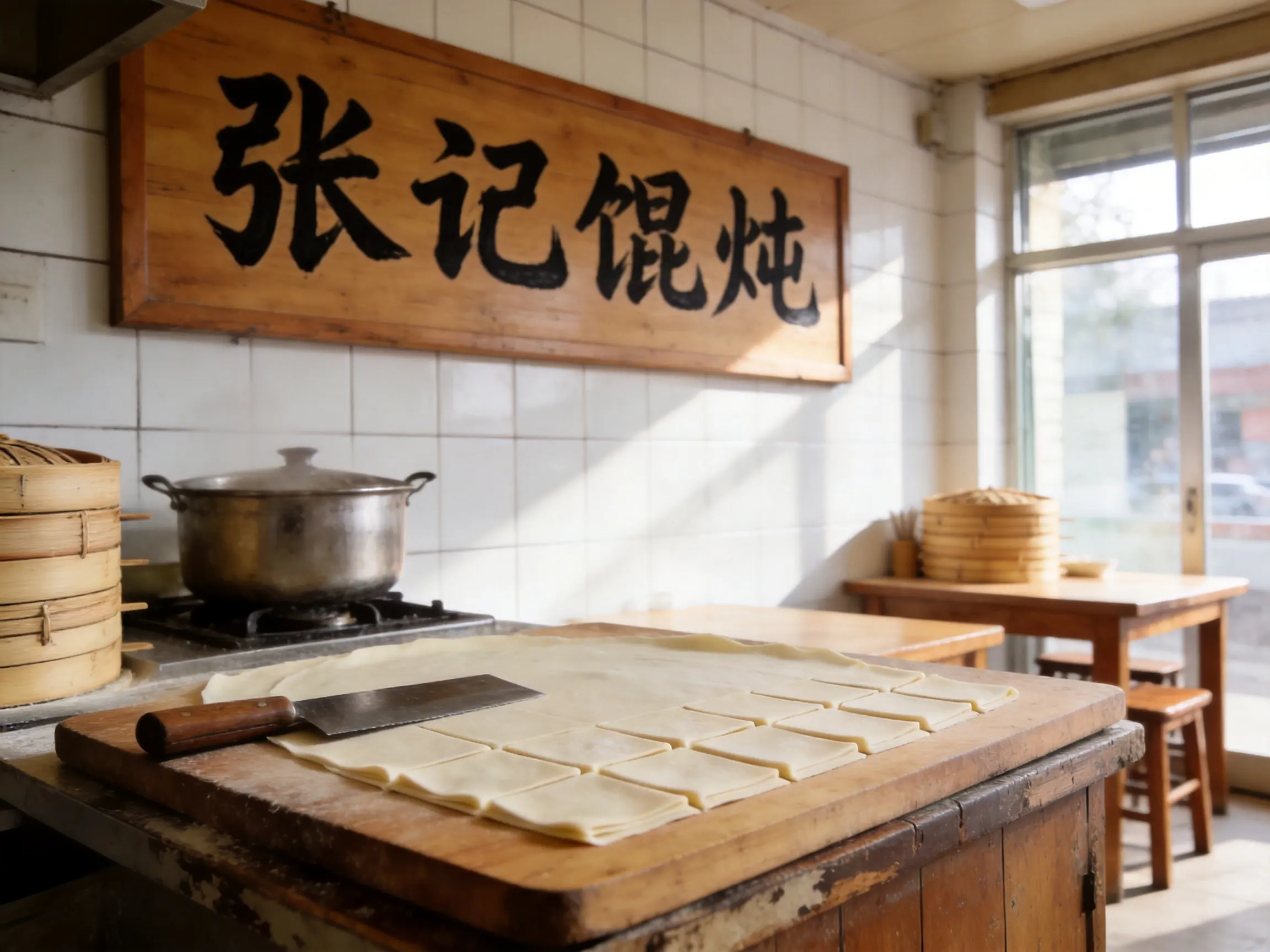
**A long knife, one clean stroke across the sheet.** Cut the rolled-out dough into neat squares, about eight centimeters each. Not too big — a big wrapper means too much dough and not enough filling. Not too small either, or you'll be folding them until midnight.
**Keep the edges even.** Uneven wrappers seal badly and burst open in the boiling water. If a piece looks ragged, toss it back in the dough and re-roll.
---
## Step 5 · The Fold
### Shaping the ingots
**A teaspoon of filling in the center.** Not a heaping spoon — a level one. Too much filling and the wrapper splits. Too little and you're eating boiled dough. Wet the edges with a finger, fold the wrapper in half to make a triangle, then bring the two bottom corners together and press.
**They should look like little gold ingots.** That's the classic shape — plump in the middle, pinched at the ends. It's not about being pretty. The shape keeps the filling sealed tight when the water hits it.
---
## Step 6 · The Bowl Base
### Building the broth foundation
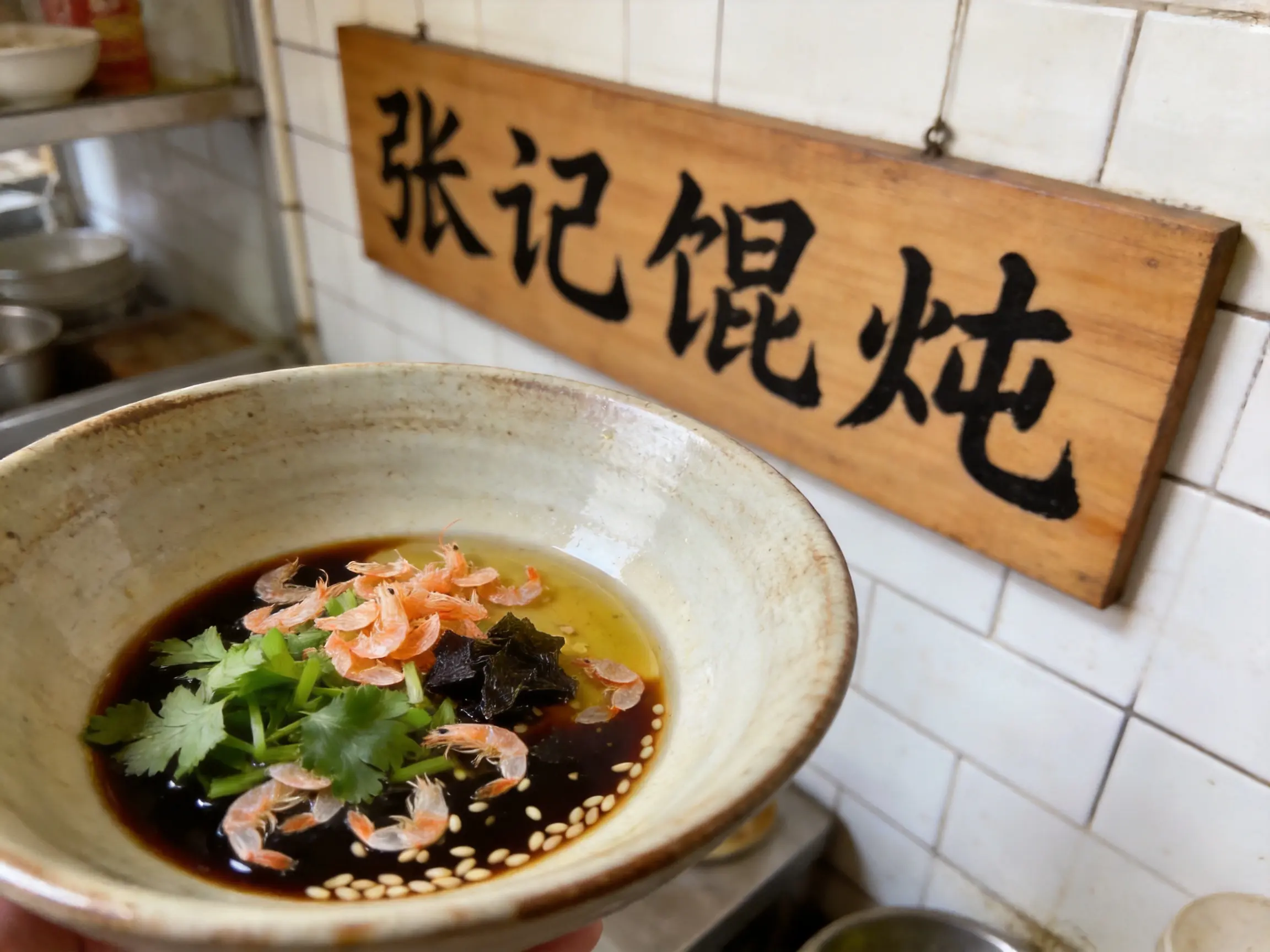
**This is where the flavor lives.** A thin coating of light soy sauce, a splash of Chinkiang vinegar, a few drops of sesame oil — just enough to barely cover the bottom of the bowl. Then scatter the dried shrimp skin, torn seaweed flakes, and chopped cilantro on top. The hot broth will wake everything up when it hits.
**The shrimp skin must be tiny.** Not the big dried shrimp you soak and rehydrate — the small, flat, pale orange kind that dissolve into the broth and make it taste like the sea.
> ⚠️ Don't drown the bowl in sauce — it should be a thin layer, not a pool. The broth does the heavy lifting
---
## Step 7 · The Boil
### Cooking in rolling water
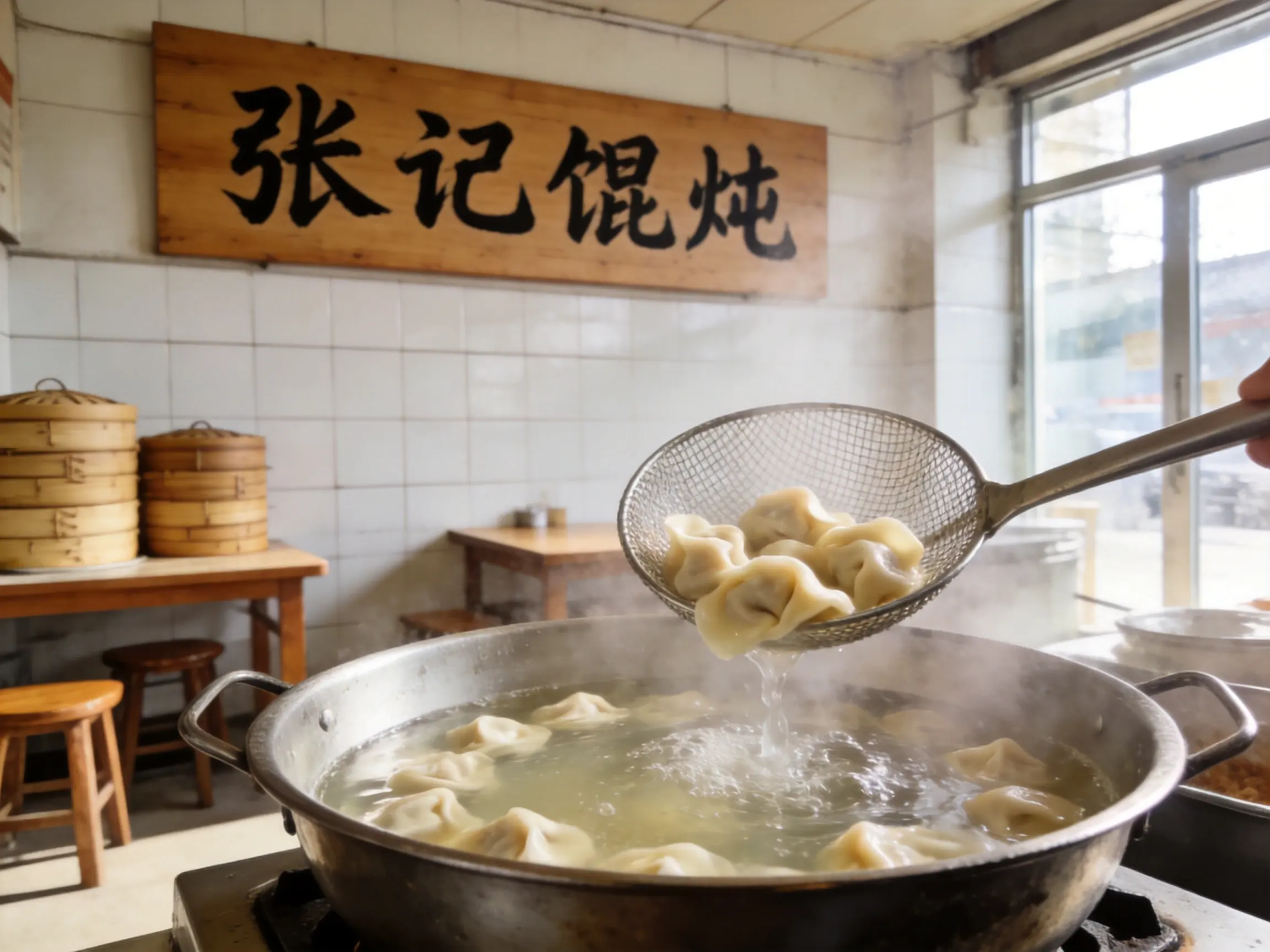
**Big pot, lots of water, hard boil.** Drop the wontons in one at a time so they don't stick together. They sink at first — that's normal. When they float back up, they're nearly done. Give it another thirty seconds and pull them out with a wire mesh ladle.
**Don't overcook.** Wonton wrappers are paper-thin. They go from perfect to mush in about twenty seconds. The moment they puff up and float, they're ready.
---
## Step 8 · The Pour
### Hitting the bowl with hot broth
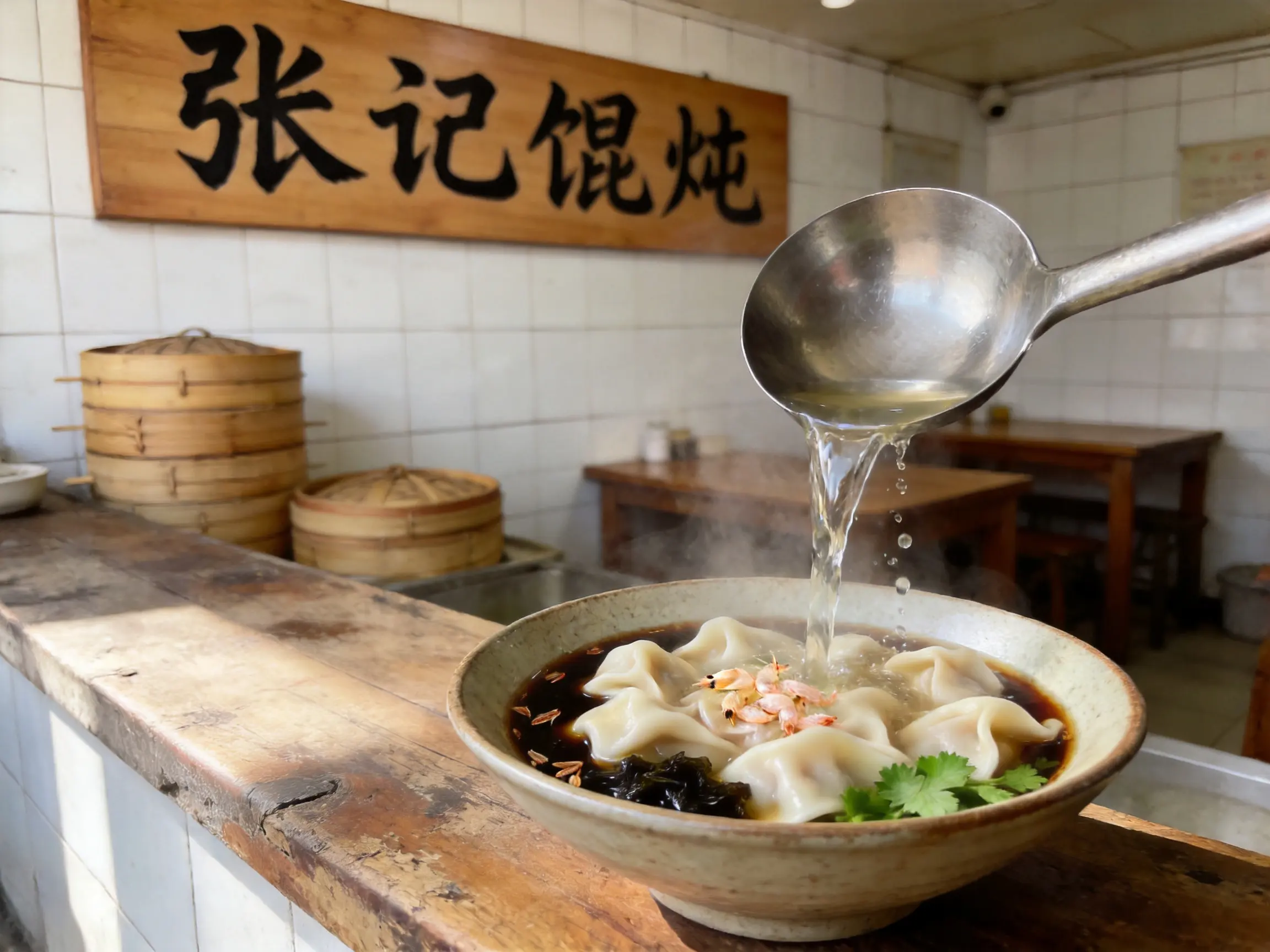
**The cooked wontons go into the prepared bowl first.** Then the big ladle of boiling broth comes in — straight from the pot, no straining, full force. The hot liquid hits the soy sauce and sesame oil at the bottom and everything blooms at once. The shrimp skin plumps up, the seaweed softens, the cilantro wilts just enough to release its scent.
**Pour from height.** Hold the ladle up and let the broth fall into the bowl. The impact mixes the sauce and broth better than any stirring could.
---
## Step 9 · The Bowl
### Ready to serve
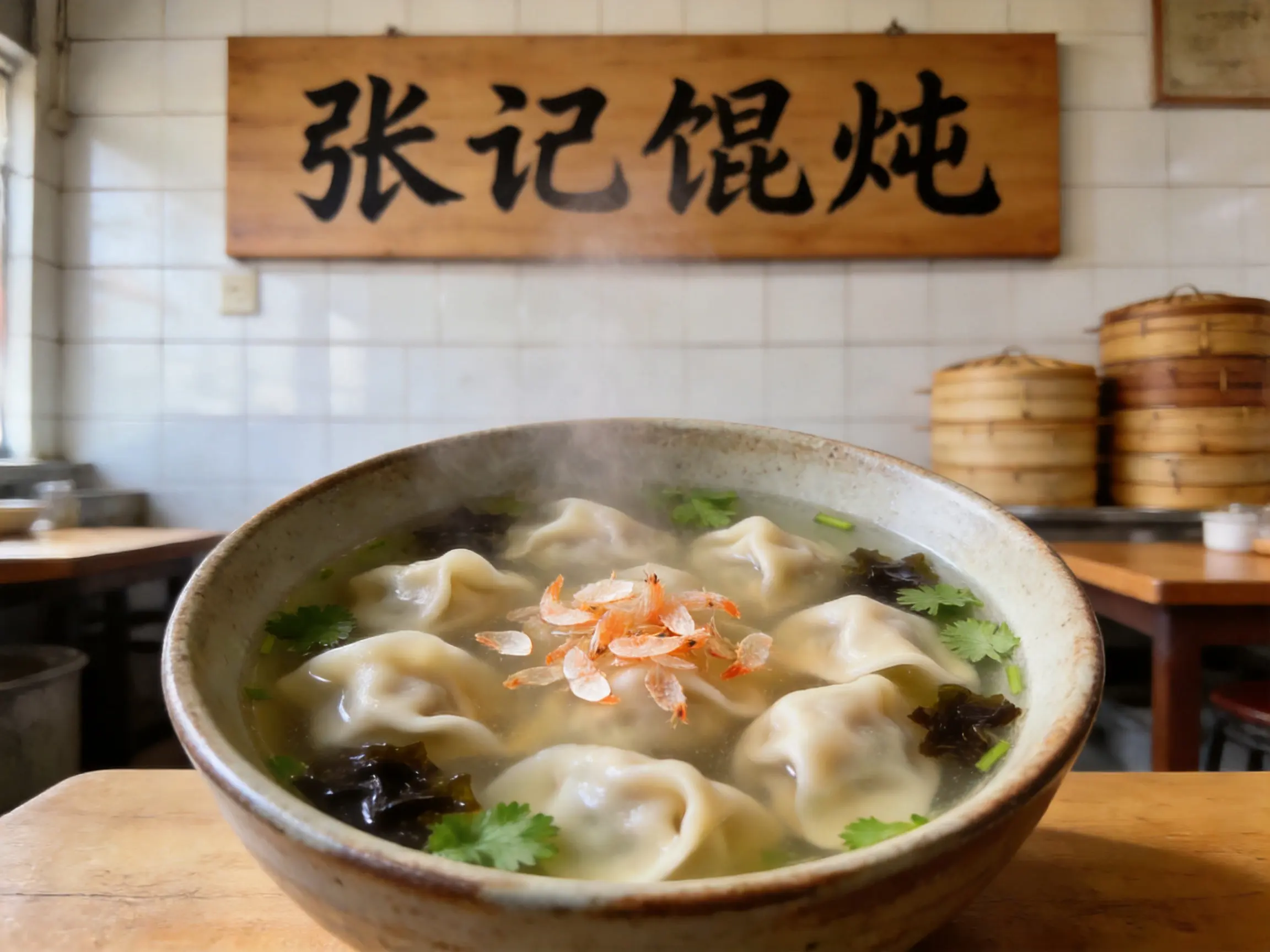
**Steam rising, broth clear, wontons floating like little clouds.** The shrimp skin and seaweed are scattered across the surface, the cilantro bright green against the amber broth. Pick one up with a spoon — the wrapper should be silky and translucent, the inside juicy and tender.
**Eat it hot.** Wonton doesn't wait. The broth cools fast and the wrappers keep soaking up liquid. Ten minutes later and it's a different bowl.
## Wonton — The Morning Bowl That Starts a Neighborhood
> Four in the morning, flour dust still in the air
> A thin layer of soy sauce at the bottom of a chipped bowl
> By seven, the line is already out the door
---
## Ingredients
| Item | Amount |
|------|--------|
| Pork shoulder (30% fat) | 500g |
| Wonton wrappers (hand-cut) | ~80 pieces |
| Dried shrimp skin | 2 tbsp |
| Dried seaweed | 1 small handful |
| Fresh cilantro | 1 small bunch |
| Scallions | 4-5 stalks |
| Ginger | 1 thumb-sized piece |
| Light soy sauce | 2 tbsp |
| Chinkiang vinegar | 1 tbsp |
| Sesame oil | 1 tsp |
| Salt, white pepper, Shaoxing wine | to taste |
> Yields ~4 bowls · Best served piping hot, right after the broth hits the bowl · Leftovers don't work — wontons swell and split if they sit
---
## Step 1 · The Scallion Water
### Soaking the aromatics
**Scallions and ginger go into warm water, not hot.** You want the flavor to seep out slowly over ten minutes, not boil away in one rush. Crush the scallion whites with the back of a knife — just enough to crack them open. The water turns faintly green and smells like a wet garden after rain.
**Don't skip the resting time.** Instant scallion water tastes sharp and raw. Give it ten minutes and it goes sweet.
> ⚠️ Never use boiling water — it cooks the scallions and turns the flavor flat and bitter
---
## Step 2 · The Filling
### Working the meat by hand
**Pork shoulder, thirty percent fat, no leaner.** The fat is what keeps the filling from going dry and chalky. Mince it fine — not paste, you still want some texture. Then add the scallion-ginger water a ladle at a time, stirring in one direction until the meat drinks it all up and gets glossy.
**One direction only.** Stir clockwise or counter-clockwise, but don't switch. The protein fibers line up that way and the filling holds together when you boil it. Switch directions and it falls apart in the pot.
> ⚠️ Don't add egg to the filling — traditional Beijing wonton doesn't use it, and it makes the texture too bouncy
---
## Step 3 · The Dough
### Rolling the wrapper sheet
**Flour, water, a pinch of salt.** That's all. Mix until it comes together into a stiff ball — stiffer than you think, because you're going to roll it paper-thin. Rest it for twenty minutes under a damp cloth. The gluten relaxes and the dough stops fighting the rolling pin.
**Roll from the center outward,** turning the sheet a quarter turn each pass. You want it translucent — you should be able to read a newspaper through it.
---
## Step 4 · The Cut
### Squaring the wrappers
**A long knife, one clean stroke across the sheet.** Cut the rolled-out dough into neat squares, about eight centimeters each. Not too big — a big wrapper means too much dough and not enough filling. Not too small either, or you'll be folding them until midnight.
**Keep the edges even.** Uneven wrappers seal badly and burst open in the boiling water. If a piece looks ragged, toss it back in the dough and re-roll.
---
## Step 5 · The Fold
### Shaping the ingots
**A teaspoon of filling in the center.** Not a heaping spoon — a level one. Too much filling and the wrapper splits. Too little and you're eating boiled dough. Wet the edges with a finger, fold the wrapper in half to make a triangle, then bring the two bottom corners together and press.
**They should look like little gold ingots.** That's the classic shape — plump in the middle, pinched at the ends. It's not about being pretty. The shape keeps the filling sealed tight when the water hits it.
---
## Step 6 · The Bowl Base
### Building the broth foundation
**This is where the flavor lives.** A thin coating of light soy sauce, a splash of Chinkiang vinegar, a few drops of sesame oil — just enough to barely cover the bottom of the bowl. Then scatter the dried shrimp skin, torn seaweed flakes, and chopped cilantro on top. The hot broth will wake everything up when it hits.
**The shrimp skin must be tiny.** Not the big dried shrimp you soak and rehydrate — the small, flat, pale orange kind that dissolve into the broth and make it taste like the sea.
> ⚠️ Don't drown the bowl in sauce — it should be a thin layer, not a pool. The broth does the heavy lifting
---
## Step 7 · The Boil
### Cooking in rolling water
**Big pot, lots of water, hard boil.** Drop the wontons in one at a time so they don't stick together. They sink at first — that's normal. When they float back up, they're nearly done. Give it another thirty seconds and pull them out with a wire mesh ladle.
**Don't overcook.** Wonton wrappers are paper-thin. They go from perfect to mush in about twenty seconds. The moment they puff up and float, they're ready.
---
## Step 8 · The Pour
### Hitting the bowl with hot broth
**The cooked wontons go into the prepared bowl first.** Then the big ladle of boiling broth comes in — straight from the pot, no straining, full force. The hot liquid hits the soy sauce and sesame oil at the bottom and everything blooms at once. The shrimp skin plumps up, the seaweed softens, the cilantro wilts just enough to release its scent.
**Pour from height.** Hold the ladle up and let the broth fall into the bowl. The impact mixes the sauce and broth better than any stirring could.
---
## Step 9 · The Bowl
### Ready to serve
**Steam rising, broth clear, wontons floating like little clouds.** The shrimp skin and seaweed are scattered across the surface, the cilantro bright green against the amber broth. Pick one up with a spoon — the wrapper should be silky and translucent, the inside juicy and tender.
**Eat it hot.** Wonton doesn't wait. The broth cools fast and the wrappers keep soaking up liquid. Ten minutes later and it's a different bowl.